501 Madison Ave 22nd Floor, New York, NY 10022

How Much Pain Is Involved in Getting Dental Implants?

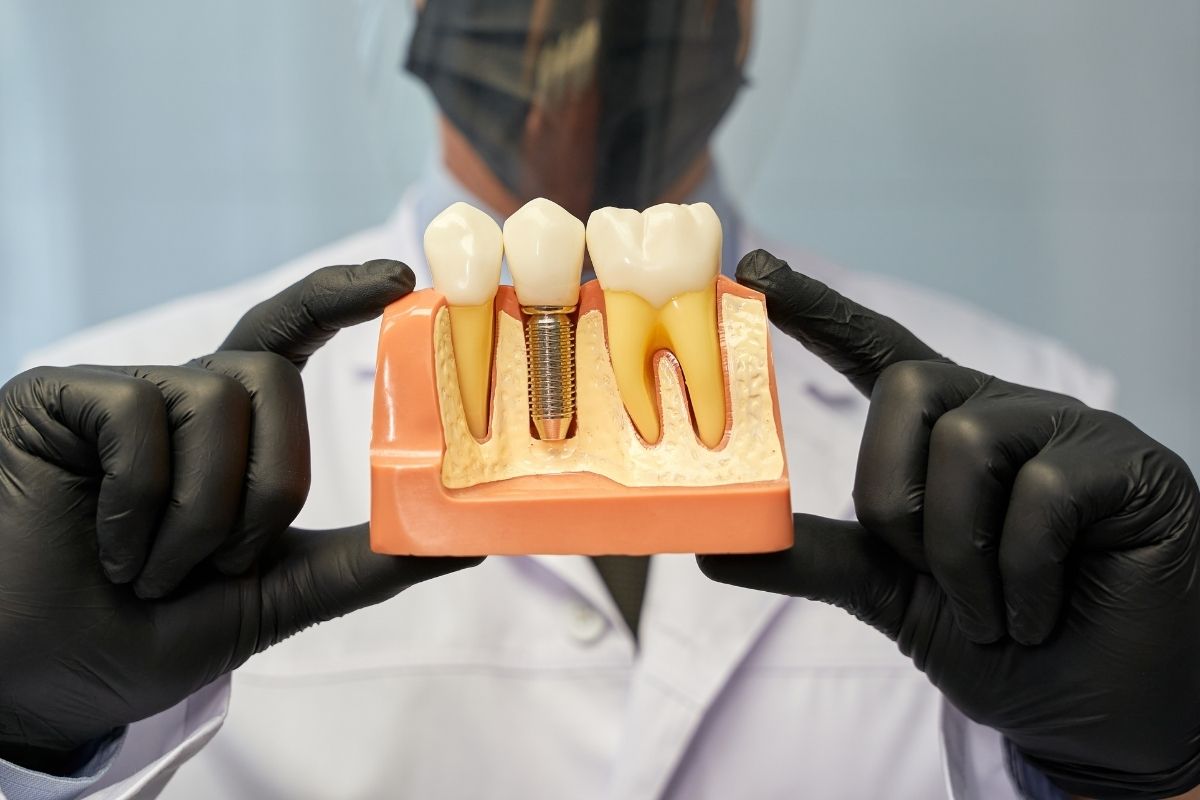
If you are considering dental implants in New York, it is natural to wonder, “How painful is the process?” The truth is that most patients experience minimal discomfort. Thanks to modern anesthesia and advanced surgical techniques, the dental implants procedure is largely manageable, and any post-procedure soreness can be controlled with medication and proper care. At our dental clinic, our periodontists bring decades of experience, ensuring each patient receives precise treatment with maximum comfort.
What to Expect During the Dental Implants Procedure
Dental implants are designed to replace missing teeth and restore natural function. The procedure is carried out in several careful steps:
- Comprehensive Evaluation – During your initial consultation in New York, our specialists assess your oral health, jawbone density, and overall dental needs. Advanced digital imaging and 3D scans allow precise planning for optimal results.
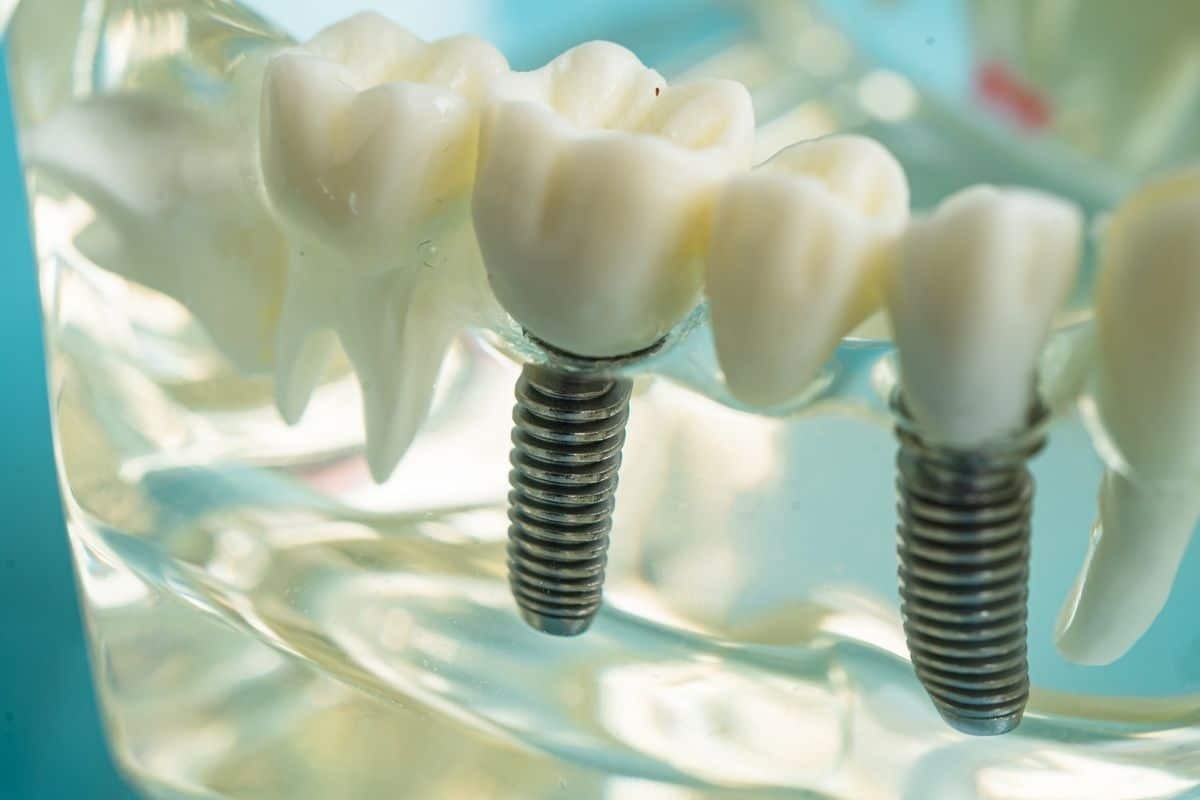
- Implant Placement – Under local anesthesia, a titanium post is carefully inserted into the jawbone. Patients usually feel pressure but rarely sharp pain, as the area is numbed and closely monitored.
- Healing and Osseointegration – Over the next few months, the implant integrates with the jawbone in a process called osseointegration. Mild tenderness or swelling during this period is normal and expected.
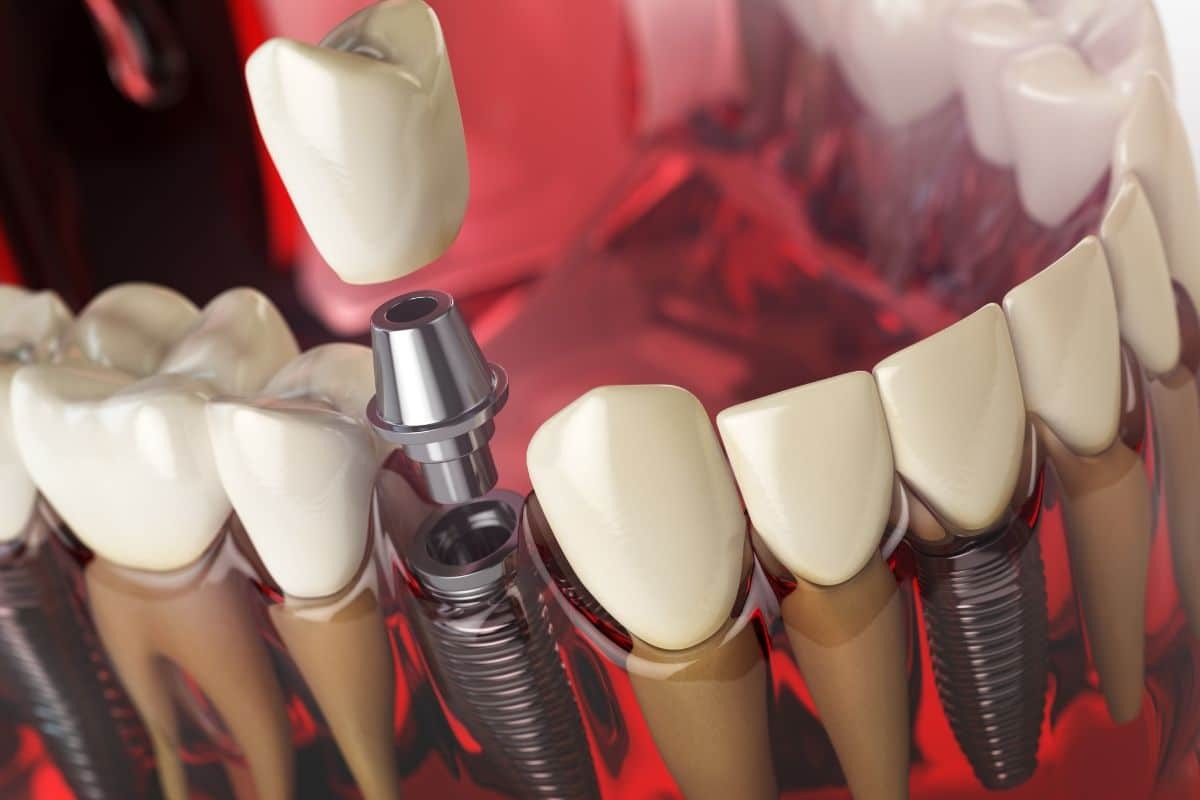
- Abutment and Crown Placement – After healing, a connector called an abutment is attached to the implant, followed by a custom-made crown. This step is typically painless and restores your natural smile and function.
The dental implants procedure is designed to minimize discomfort while maximizing long-term stability and oral health.
Managing Pain During and After Implants
Many people assume that dental implants are very painful. In reality, modern techniques and anesthetics make the procedure comfortable. Sedation options are also available for patients with dental anxiety.
After the procedure, mild soreness, swelling, or bruising may occur for a few days. Over-the-counter pain medication or prescribed medication can effectively manage this discomfort. Following post-operative instructions, such as gentle oral care and avoiding hard foods, helps speed recovery and reduce pain.
Factors That Influence Discomfort
Pain levels can vary depending on individual circumstances:
- Bone Density – Patients with healthy jawbone typically experience smoother healing.
- Number of Implants – Multiple implants may cause slightly more discomfort than a single implant.
- Overall Health – Chronic conditions like diabetes or gum disease can affect recovery.
- Pain Sensitivity – Everyone’s pain threshold is different; mild discomfort for one patient may feel more noticeable to another.
Recovery Timeline and Tips for Comfort
Healing from dental implants is generally straightforward.
- First 24 to 48 Hours – Mild swelling and tenderness are common. Soft foods and rest are recommended.
- First Week – Discomfort should gradually improve. Maintaining careful oral hygiene without disturbing the implant site is crucial.
- Two to Four Weeks – Most patients can resume normal activities. Follow-up visits ensure proper healing.
To enhance comfort and promote healing:
- Take recommended pain medication as directed.
- Avoid smoking and alcohol, which can slow recovery.
- Eat soft, nutrient-rich foods to support tissue and bone healing.
- Gently clean the mouth and avoid disturbing the surgical site.
Dispelling Myths About Dental Implants Pain
A common misconception is that dental implants are extremely painful. Our experienced periodontists in New York ensure that patients experience minimal discomfort. Modern implant techniques are precise, controlled, and tailored for each individual. Most patients report that recovery is easier than they expected, and the long-term benefits of a stable, natural-looking smile far outweigh temporary discomfort.
Comfort and Confidence with Dental Implants
Overall, the dental implant procedure is not as painful as many expect. With advanced anesthesia, careful surgical planning, and proper post-operative care, most patients experience only mild, manageable discomfort. Choosing a skilled periodontist in New York, like Madison Avenue Periodontics ensures both safety and comfort throughout your treatment.
If you are considering dental implants, consulting with an experienced periodontist will help you understand what to expect and take steps for a smooth, comfortable recovery. Schedule a consultation today to learn more about how dental implants can restore your smile and confidence.
FAQs
Is the implant surgery done under general anesthesia?
In most cases, dental implants are placed under local anesthesia. Sedation options are available for patients with dental anxiety. General anesthesia is rarely needed and is usually reserved for complex cases.
What kind of discomfort should I expect after dental implants?
Mild swelling, bruising, and tenderness around the surgical site are common. These symptoms typically subside within a few days. Following your periodontist’s post-operative instructions can help minimize discomfort.
Can I eat normally after getting dental implants?
Immediately after the procedure, soft foods are recommended. As the implant heals and integrates with the jawbone, you can gradually return to your normal diet while avoiding extremely hard or sticky foods during the early recovery period.
Does the number of implants affect pain levels?
Yes, placing multiple implants at once may cause slightly more soreness than a single implant. However, modern techniques and careful planning help keep discomfort minimal regardless of the number of implants.
How long does the recovery from dental implants take?
Initial healing usually takes 1 to 2 weeks, with most patients resuming normal activities within that time. Full integration of the implant with the jawbone, called osseointegration, can take 3 to 6 months, depending on individual healing factors.