501 Madison Ave 22nd Floor, New York, NY 10022

How Long Do Dental Implants Take? A Timeline

If you’re considering dental implants, one of your first questions is probably how long the entire process will take. You may need to replace a single missing tooth, several teeth, or a full arch. Whatever your situation, understanding the treatment timeline can help you plan for appointments, recovery, and your final restoration.
The answer depends on your oral health, the condition of your jawbone, and whether you need additional procedures before implant placement. Working with an experienced implant dentist in New York can help you understand the steps involved and develop a treatment plan suited to your needs.
For patients in New York City, knowing what to expect from the first consultation through the final restoration can make the process feel more manageable.
Quick Answer: How Long Do Dental Implants Take?
Dental implants typically take several months to complete, often around three to nine months from initial treatment to final restoration. The timeline varies depending on healing, bone quality, implant stability, and whether procedures such as bone grafting are necessary. Some cases progress faster, while more complex treatments can take a year or longer.
What Is the Dental Implant Process From Start to Finish?
Dental implant treatment involves several stages. Each plays an important role in helping the implant integrate with your jawbone and support a replacement tooth.
1. Initial Consultation and Treatment Planning
Your first appointment helps determine whether dental implants are appropriate for you. Your periodontist will review your dental and medical history, examine your mouth, and assess the condition of your gums and jawbone. Dental imaging may also be needed to evaluate the available bone and plan implant placement.
This stage may take one or more appointments, depending on your individual needs.
If you have a missing tooth or several missing teeth, discussing your concerns early can help clarify your options. Patients who are unsure whether implants are appropriate can also ask about the signs you need dental implants and whether their current oral health supports treatment.
2. Preparatory Procedures, If Needed
Some patients can proceed directly to implant placement. Others may need treatment before receiving an implant.
For example, periodontal disease may need to be managed before surgery. If your jawbone lacks sufficient volume or density to support an implant, your periodontist may recommend bone grafting.
Bone grafting helps build or preserve the bone needed for implant treatment. Depending on the procedure and how well the area heals, it may add several months to the overall timeline.
Not everyone needs these additional procedures. Your treatment plan will depend on your examination findings and the condition of your teeth, gums, and jawbone.
3. Dental Implant Placement Surgery
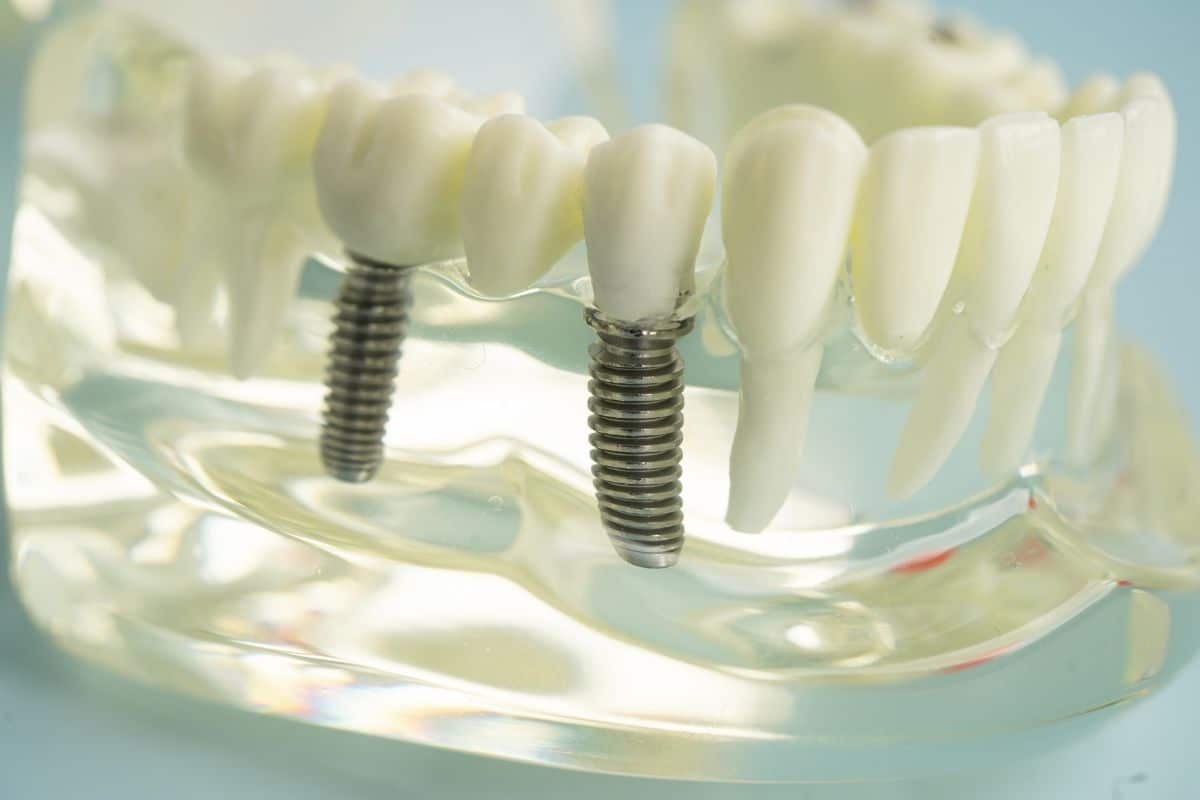
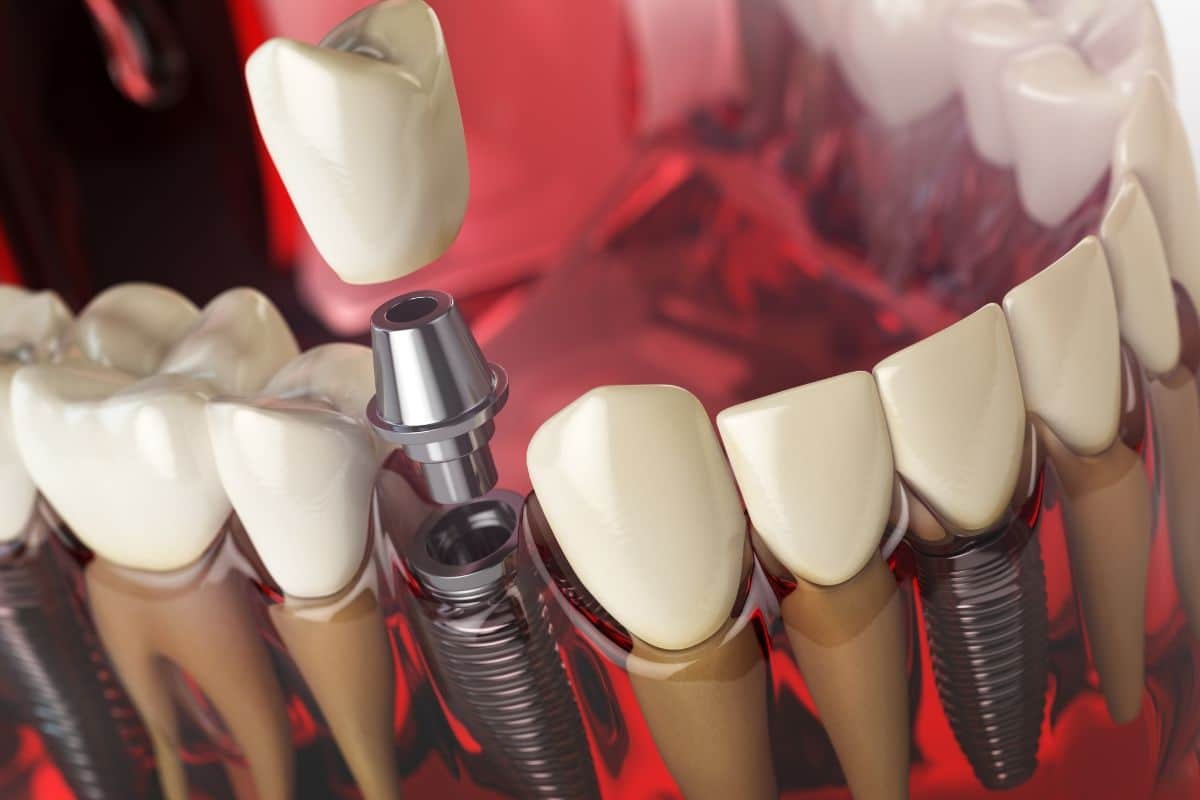
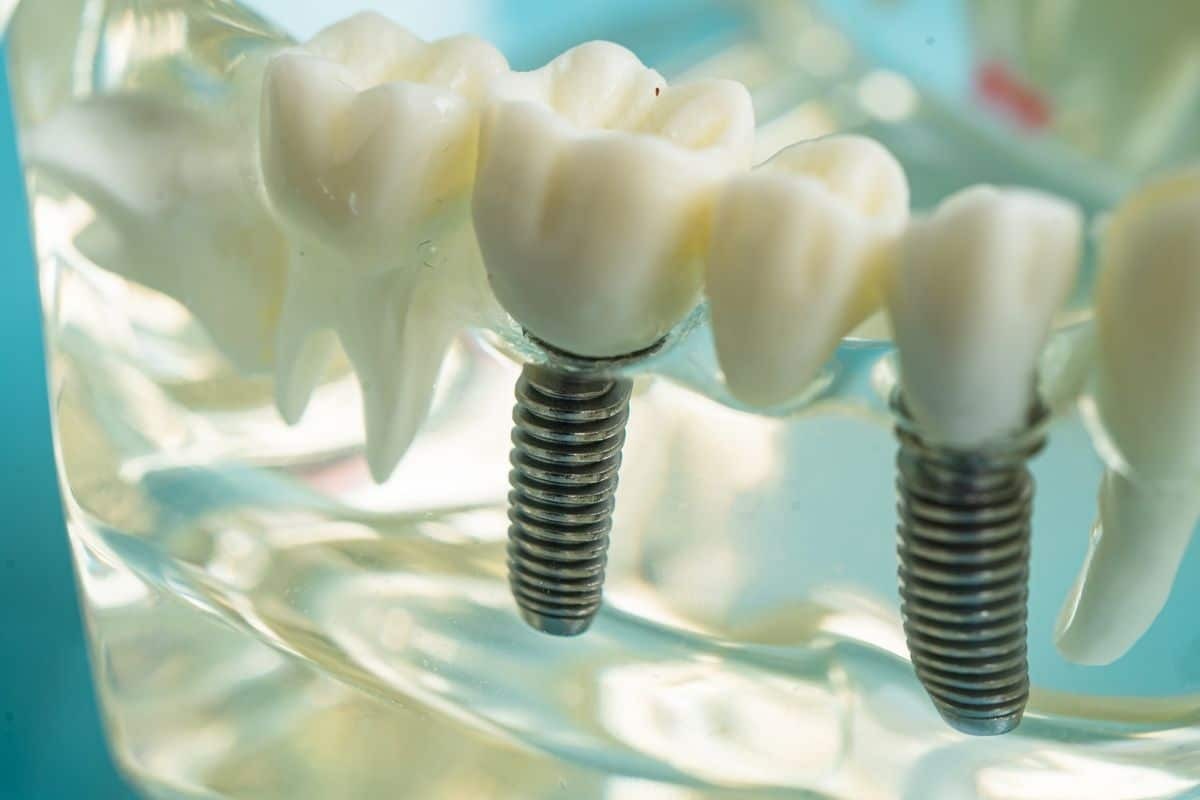
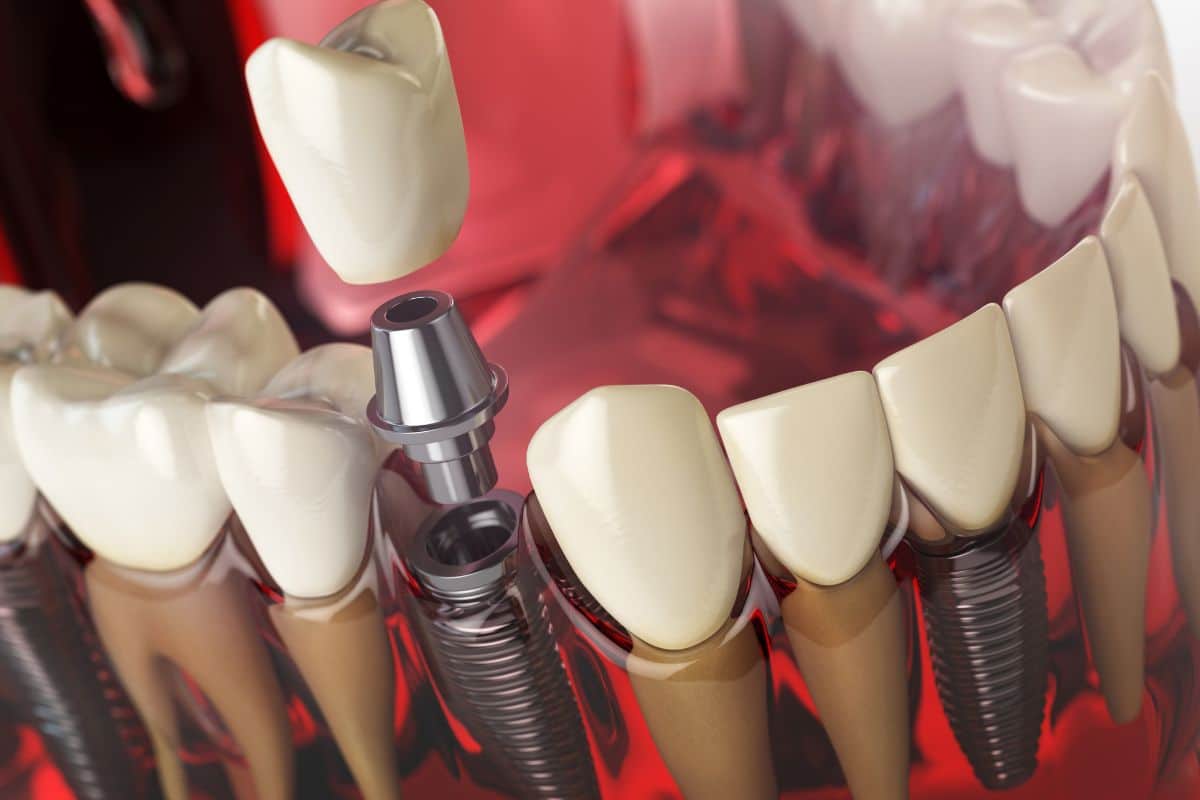
Once your mouth is ready, the implant can be placed into the jawbone. A dental implant is typically a small, screw-shaped post that serves as the foundation for a replacement tooth.
The surgical appointment may take around 30 minutes to a few hours, depending on the number of implants and the complexity of the procedure. This is the duration of the appointment, not the total treatment time.
After placement, your body begins the healing process. The implant needs time to integrate with the surrounding bone before the final restoration can be attached in many treatment plans.
4. Healing and Osseointegration
Healing is one of the most important stages of dental implant treatment.
During this period, the jawbone gradually bonds with the implant through a process called osseointegration. This connection helps provide the stability needed to support a replacement tooth.
Osseointegration commonly takes several months. The exact duration depends on factors such as bone quality, implant stability, the location of the implant, and individual healing.
You may be able to receive a temporary tooth during this stage, depending on your clinical situation. However, a temporary restoration is not appropriate for every patient, and it may come with restrictions on biting and chewing.
Your periodontist will determine when the implant is ready for the next stage.
5. Placement of the Final Crown or Restoration
Once healing is sufficient, the final restoration can be attached.
For a single missing tooth, this is usually a dental crown designed to fit into your bite and complement your surrounding teeth. Patients replacing multiple teeth may need a bridge or another type of implant-supported restoration.
Your dental team will check the fit, appearance, and bite before completing treatment.
This final stage may require additional appointments for impressions or digital scans, adjustments, and placement. The time needed depends on the type of restoration and your treatment plan.
What Factors Affect How Long Dental Implants Take?
There is no single timeline that applies to every patient. Several factors can influence how quickly treatment progresses.
Bone Quality and Quantity
Dental implants need adequate bone support. If your jawbone has lost volume after tooth loss or other oral health problems, bone grafting may be recommended before or during implant treatment.
When grafting is performed as a separate procedure, the additional healing period can extend the overall timeline.
Gum Health
Healthy gums are important for successful implant treatment. If you have active gum disease, your periodontist may recommend treating and stabilizing the condition before proceeding.
This helps establish a healthier environment for implant placement and ongoing maintenance.
Number and Location of Implants
Replacing one tooth may involve fewer appointments than replacing several teeth or an entire arch. The location of the implant also matters because different areas of the mouth have different bone conditions and functional demands.
More complex treatment may require additional planning, procedures, and healing time.
Individual Healing and General Health
People heal at different rates. Certain medical conditions, medications, tobacco use, and other health-related factors can influence healing and implant care.
Share your medical history and current medications with your dental team before treatment. Your provider can explain whether any factors may affect your individual timeline.
Can You Get Dental Implants in One Day?
In some cases, a temporary tooth or restoration can be attached on the same day as implant placement. This approach is sometimes called immediate loading or immediate restoration, depending on the specific treatment.
However, receiving an implant or temporary tooth in one day does not necessarily mean the entire treatment is finished in one day.
The implant still needs to heal, and the final restoration may be placed later. Immediate restoration is not suitable for everyone; implant stability, bone conditions, bite forces, and other clinical factors must be considered.
Your periodontist can explain whether this approach is appropriate for your circumstances.
How Can You Help Your Dental Implants Heal Properly?
Although you cannot control every aspect of healing, following your treatment instructions can help support recovery.
- Follow postoperative instructions: Take prescribed or recommended medications as directed and follow guidance about oral hygiene.
- Choose appropriate foods: Eat soft foods initially if advised, and avoid putting excessive pressure on the surgical area.
- Avoid smoking: Tobacco use can interfere with healing and increase the risk of implant complications.
- Maintain oral hygiene: Keep your mouth clean according to your periodontist’s instructions without disturbing the healing site.
- Attend follow-up appointments: These visits allow your dental team to monitor healing and identify concerns.
- Report unusual symptoms: Contact your dental provider if you experience worsening pain, increasing swelling, fever, or other concerning symptoms.
Do not rush the process by placing unnecessary pressure on a healing implant. Your provider will advise you when it is appropriate to return to your usual diet and activities.
Frequently Asked Questions About Dental Implant Timelines
How long does dental implant surgery take?
Implant placement can take approximately 30 minutes to a few hours, depending on the number of implants and the complexity of the procedure. However, surgery is only one part of the process. Healing and final restoration generally require additional time.
How long does it take for a dental implant to heal completely?
Initial recovery after surgery often takes days to a couple of weeks, although the timing varies. The deeper process of osseointegration typically takes several months. Your periodontist will determine when the implant is sufficiently healed for the next stage of treatment.
Do dental implants take longer if I need a bone graft?
Yes, they may. A bone graft often needs time to heal and develop adequate support before an implant can be placed, although some grafting procedures can be performed at the same time as implant placement. The additional time depends on the type and extent of grafting and your healing response.
Can I work the day after dental implant surgery?
Some people return to work the next day, while others need more time to rest. Your recovery depends on the extent of surgery, your comfort level, and the demands of your job. Follow your provider’s instructions about activity and recovery.
Are dental implants worth the waiting time?
Dental implants can provide a long-term option for replacing missing teeth, but suitability and outcomes vary. They require surgery, healing, daily oral hygiene, and ongoing professional care. A consultation can help you compare the potential benefits, risks, alternatives, and treatment time before making a decision.
Understand Your Dental Implant Timeline at Madison Avenue Periodontics
Dental implant treatment takes time because each stage must be planned around your oral health and healing. While some patients may complete treatment within a few months, others need additional procedures or longer recovery periods before their final restorations can be placed.
If you’re considering dental implants in New York City, Madison Avenue Periodontics can help you understand the treatment process and the factors that may influence your timeline.
Contact Madison Avenue Periodontics to arrange a consultation and discuss your options. A personalized evaluation can help you understand the next steps, the expected healing period, and what to plan for throughout treatment.