501 Madison Ave 22nd Floor, New York, NY 10022

Dental Implants Procedure: Things You Should Know

Losing a tooth can affect much more than your smile. It can make chewing uncomfortable, change the way your teeth come together, and leave you wondering what your options are for replacing it.
For patients considering advanced dental implants treatment in New York, understanding the implant process can make the decision feel much easier. Dental implants are one option for replacing missing teeth and can provide a stable foundation for a crown, bridge, or other restoration.
But what actually happens during dental implant procedures? How long does the process take? Is implant surgery painful? And what determines whether you’re a good candidate?
The answers depend on your oral health, the condition of your jawbone, the number of teeth being replaced, and the type of restoration planned. Here’s what patients should know before starting treatment.
What Is a Dental Implant Procedure?
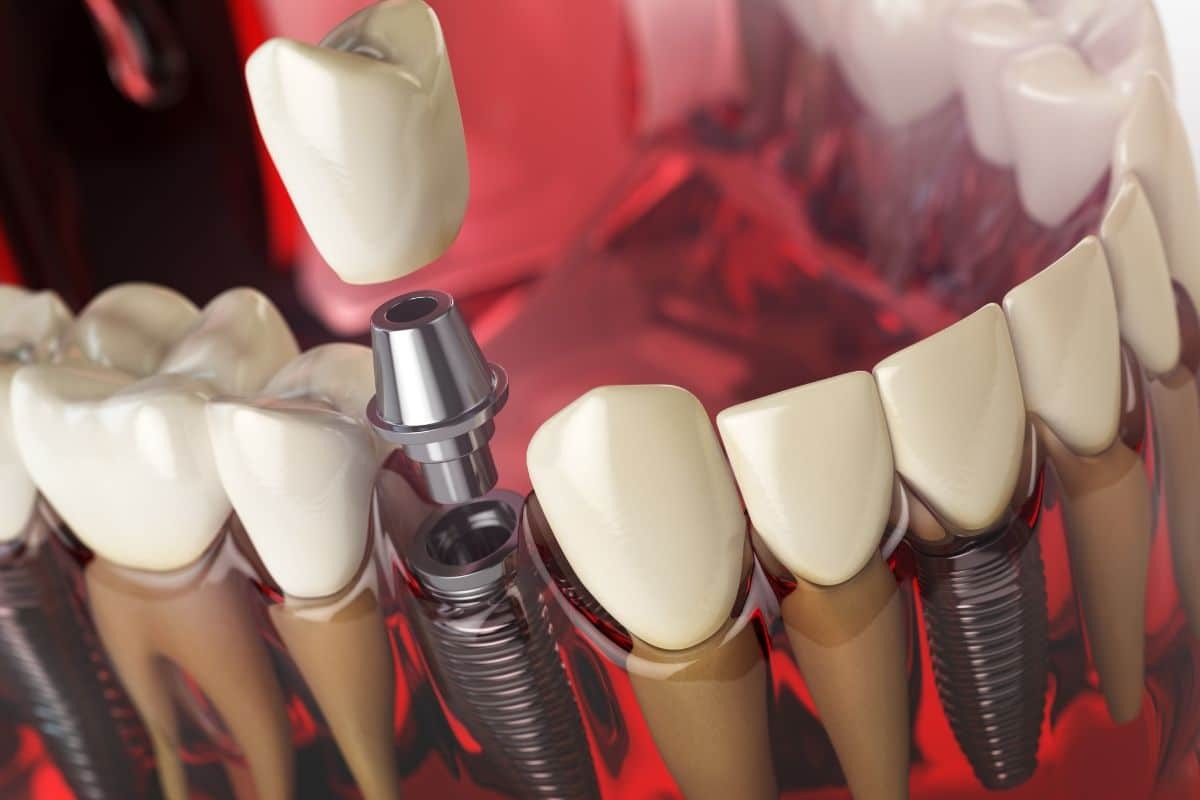
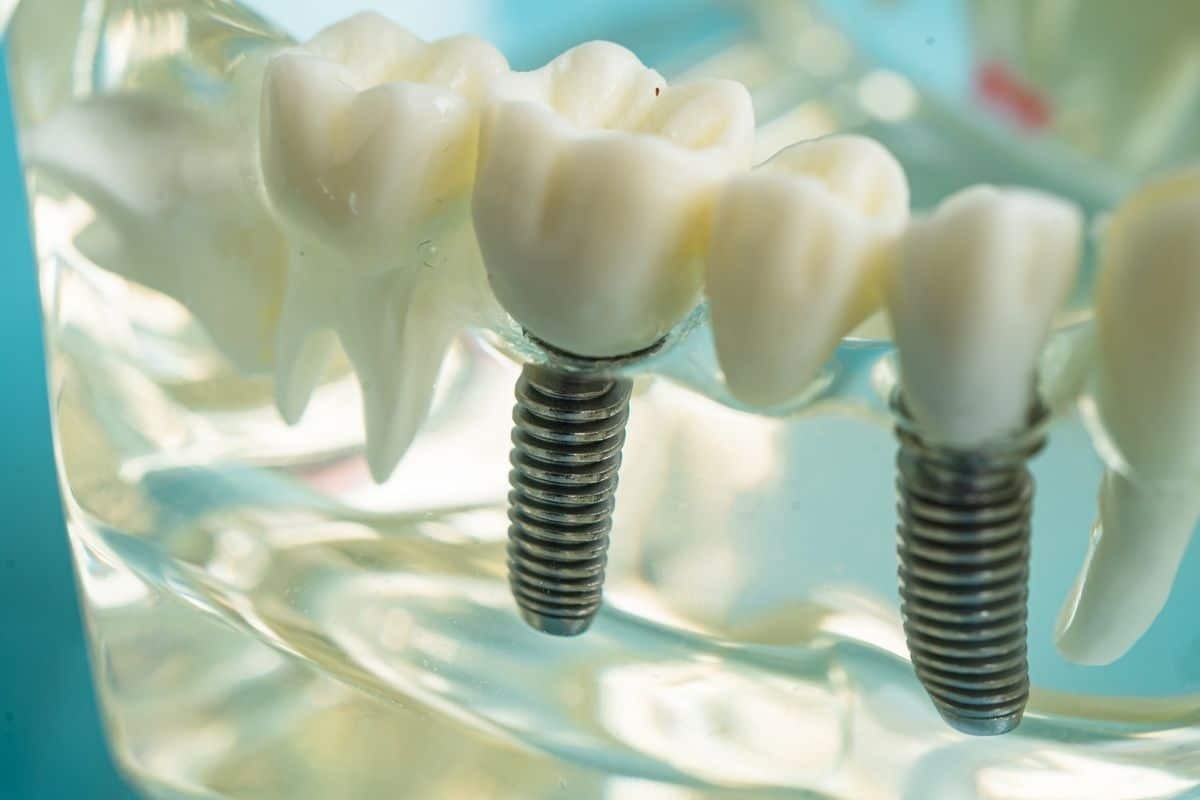
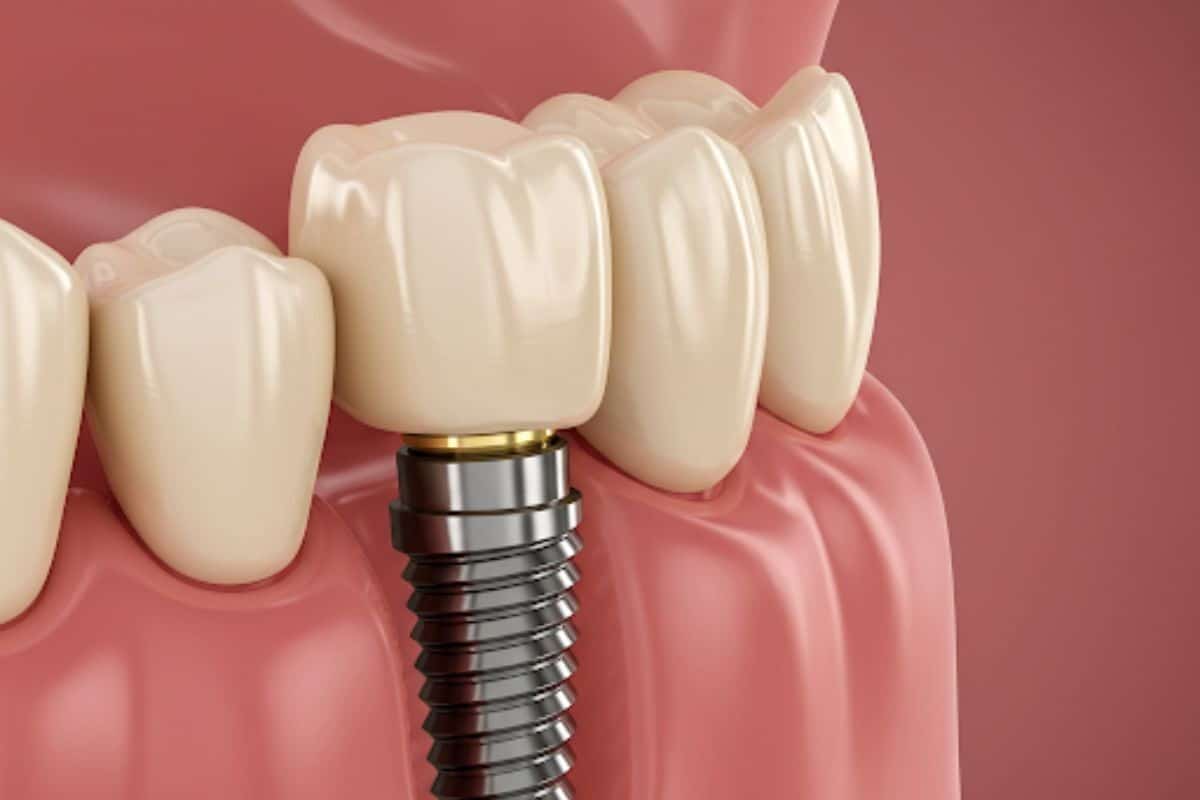
A dental implant is a small device that is placed into the jawbone to replace the root of a missing tooth. The implant is typically made from titanium or another biocompatible material.
Once the implant has healed and integrated with the surrounding bone, an abutment can be connected to it. The abutment supports the final restoration, such as a dental crown.
So, when people talk about a “dental implant procedure,” they’re often referring to one part of a larger treatment process.
Depending on your situation, treatment may involve:
- An initial consultation and examination
- Dental imaging and treatment planning
- Tooth extraction, if necessary
- Bone grafting or another preparatory procedure
- Implant placement
- A healing period
- Placement of the abutment
- Placement of the final crown, bridge, or denture
Not every patient needs every step.
Who Can Get Dental Implants?
Dental implants aren’t automatically right for everyone, but many adults with missing teeth may be candidates after an appropriate evaluation.
Your periodontist or dentist will look at several factors, including:
- The amount and quality of bone available
- The health of your gums
- Your general health and medical history
- Medications you take
- Smoking or tobacco use
- Your ability to maintain good oral hygiene
- The location and number of missing teeth
- Your treatment and restoration goals
Having a medical condition doesn’t necessarily mean you cannot receive implants. For example, patients with diabetes may still be candidates when the condition is appropriately managed. Your provider will consider your individual health and healing factors rather than relying on a single rule.
Smoking is another important consideration because it can interfere with healing and may affect the long-term health of an implant.
The best way to determine candidacy is through an in-person evaluation rather than trying to make that decision from symptoms or an online checklist.
Why Choose Dental Implants?
- Look and Feel Natural: They match your real teeth.
- Durable and Long-Lasting: With good care, they can last for decades.
- Protects Your Jawbone: Unlike dentures, implants keep your jawbone strong.
- Better Chewing and Speaking: Implants function like real teeth, making it easier to eat and talk.
How to Get Ready for a Dental Implant
Before the procedure, your dentist will:
- Check Your Teeth and Jawbone: X-rays and exams will help plan your treatment.
- Discuss Your Health: Certain conditions or medications may require special care.
- Give Pre-Surgery Instructions: If you need sedation, you might have to avoid eating the night before.
- Prescribe Medication: You may need antibiotics or a mouth rinse to prevent infection.
What Happens During a Dental Implant Procedure?
The exact surgical approach varies from patient to patient.
Typically, the area is numbed with local anesthesia. Depending on the treatment plan and the patient’s needs, additional sedation may also be discussed.
The implant is then placed into the prepared area of the jawbone. After placement, the tissues begin to heal around the implant.
Some patients may have a temporary tooth or other temporary restoration during the healing period. Whether this is possible depends on factors such as the location of the implant, stability at placement and the overall treatment plan.
Some patients may also be candidates for computer-guided implant surgery. Digital imaging and treatment-planning technology can help the surgical team plan the intended implant position before treatment begins.
Recovery and Care After the Implant Procedure
After the surgery, you may have:
- Mild swelling and bruising
- Slight bleeding
- Some discomfort, which can be managed with pain relievers
Tips for a Smooth Recovery:
- Eat soft foods for a few days.
- Avoid heavy exercise for 24-48 hours.
- Brush gently and rinse with salt water.
- Visit your dentist for follow-ups.
Taking Care of Your Dental Implants
Dental implants need regular care, just like real teeth:
- Brush and floss daily to prevent gum infections.
- See your dentist regularly.
- Avoid smoking and excess alcohol to keep your implants healthy.
Frequently Asked Questions
How long does a dental implant procedure take?
The surgical placement itself may be completed in a relatively short appointment, but the complete treatment process takes longer because the implant needs time to heal and integrate with the jawbone before the final restoration is placed.
How long does it take for a dental implant to heal?
Healing varies from patient to patient. The initial soft-tissue recovery may occur relatively quickly, while integration of the implant with the jawbone can take several months.
Can I get a dental implant immediately after a tooth extraction?
In some situations, an implant can be placed during the same appointment as an extraction. Whether immediate placement is appropriate depends on the condition of the extraction site, available bone, infection status and the overall treatment plan.
Do I need a bone graft before getting a dental implant?
Not everyone needs a bone graft. If there isn’t enough bone to properly support an implant, however, bone grafting may be recommended before or as part of implant treatment.
Can smokers get dental implants?
Smoking doesn’t automatically mean that implants are impossible, but tobacco use can interfere with healing and may increase risks associated with implant treatment. Your dental provider can discuss how smoking affects your individual situation.
How long do dental implants last?
Dental implants can provide long-term tooth replacement, but their longevity isn’t guaranteed. Good oral hygiene, regular professional care and maintaining healthy gums are important for the long-term health of an implant.
What should I do if my implant feels loose or painful?
Contact your dental provider promptly. A loose or painful implant should be evaluated rather than ignored.
Conclusion
Dental implant procedures involve more than simply placing a post into the jaw. Successful treatment begins with careful evaluation and planning, followed by implant placement, healing and the final restoration.
For some patients, treatment is relatively straightforward. Others may need periodontal treatment, tooth extraction or bone grafting before an implant can be placed.
If you’re considering dental implants in New York, a personalized evaluation can help you understand whether implants are appropriate for you and what the treatment process may look like. Madison Avenue Periodontics can evaluate your periodontal and implant needs and discuss the available treatment options with you.