501 Madison Ave 22nd Floor, New York, NY 10022

Full Mouth Dental Implants Timeline: What to Expect

Losing most or all of your teeth can affect more than your smile. It may make eating certain foods difficult, change the way you speak, and leave you wondering which tooth replacement option makes sense for your situation. Full mouth dental implants can offer a long-term way to replace missing teeth, but the process takes planning and healing time.
So, how long does it take to get full mouth dental implants? The answer depends on your jawbone health, gum condition, overall health, and whether additional procedures are needed. If you are exploring full mouth dental implants in New York, understanding each stage can help you prepare for treatment and make informed decisions with your dental care team.
Quick Answer: How Long Does the Process Take?
The full mouth dental implants timeline can range from a few months to a year or longer, depending on bone health, the need for bone grafting, healing, and the type of restoration. Some patients may receive temporary teeth on the day of implant placement, while others need several months of healing before their final teeth can be attached.
Understanding the Full Mouth Dental Implants Timeline
Full mouth dental implant treatment generally involves several stages. Although some steps may happen close together, others require time for your body to heal before treatment can safely continue.
1. Initial Consultation and Examination
Estimated timeframe: One or more appointments
Your treatment begins with a comprehensive examination. A periodontist evaluates your gums, remaining teeth, jawbone, and overall oral health to determine which options may be appropriate.
Your evaluation may include dental X-rays or 3D imaging, a review of your medical history, and a discussion about your expectations. If you have gum disease, significant bone loss, or teeth that need to be removed, these factors will be considered when developing your treatment plan.
At this stage, ask about the expected timeline, temporary teeth, recovery requirements, and the number of appointments you may need. Having a clear plan can make the process easier to manage.
2. Preparing Your Mouth for Implants
Estimated timeframe: A few weeks to several months, depending on treatment
Not everyone needs preparatory procedures. However, some patients require tooth extractions, treatment for active gum disease, or bone grafting before implants can be placed.
Bone grafting may be recommended when the jaw does not have enough bone to support implants securely. The graft helps rebuild the area, but it also introduces an additional healing period. Depending on the procedure and the condition of the bone, your provider may recommend waiting several months before placing implants.
If your jawbone and gums are suitable from the beginning, you may be able to move forward without these additional steps.
3. Dental Implant Placement Surgery
Estimated timeframe: Usually completed in a planned surgical appointment, with duration depending on complexity
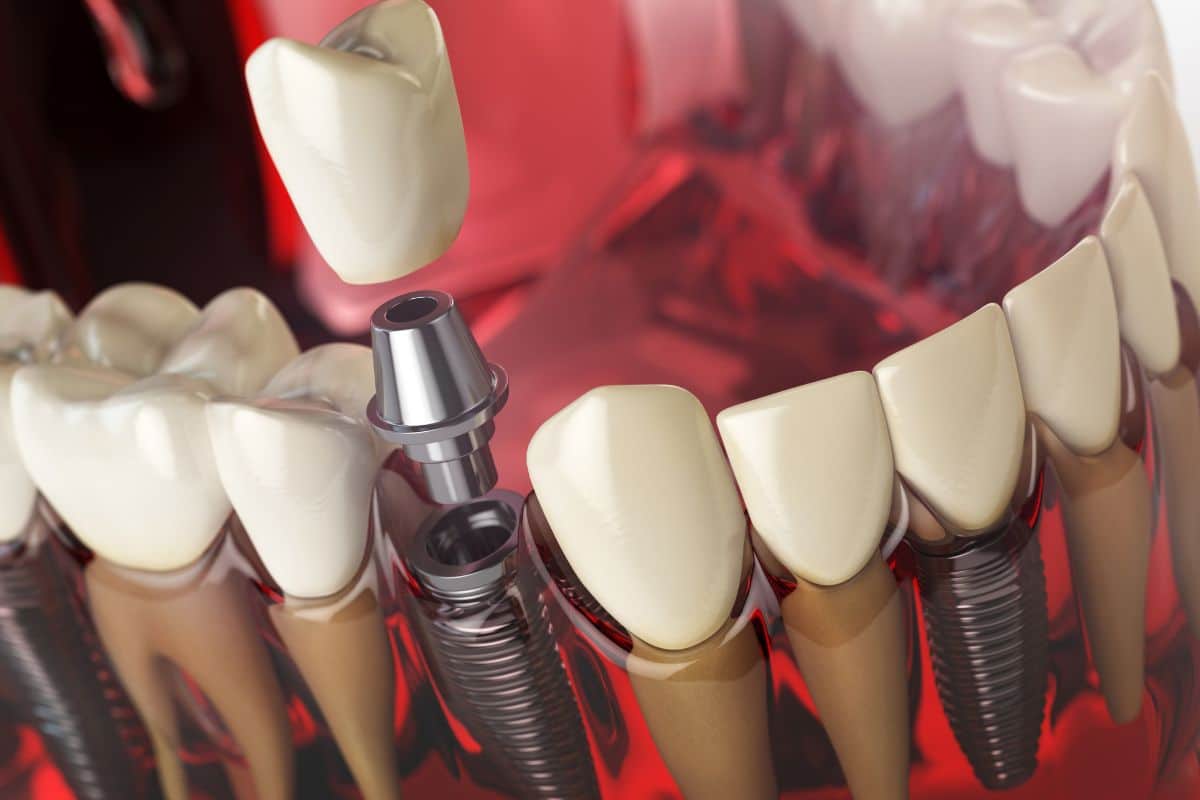
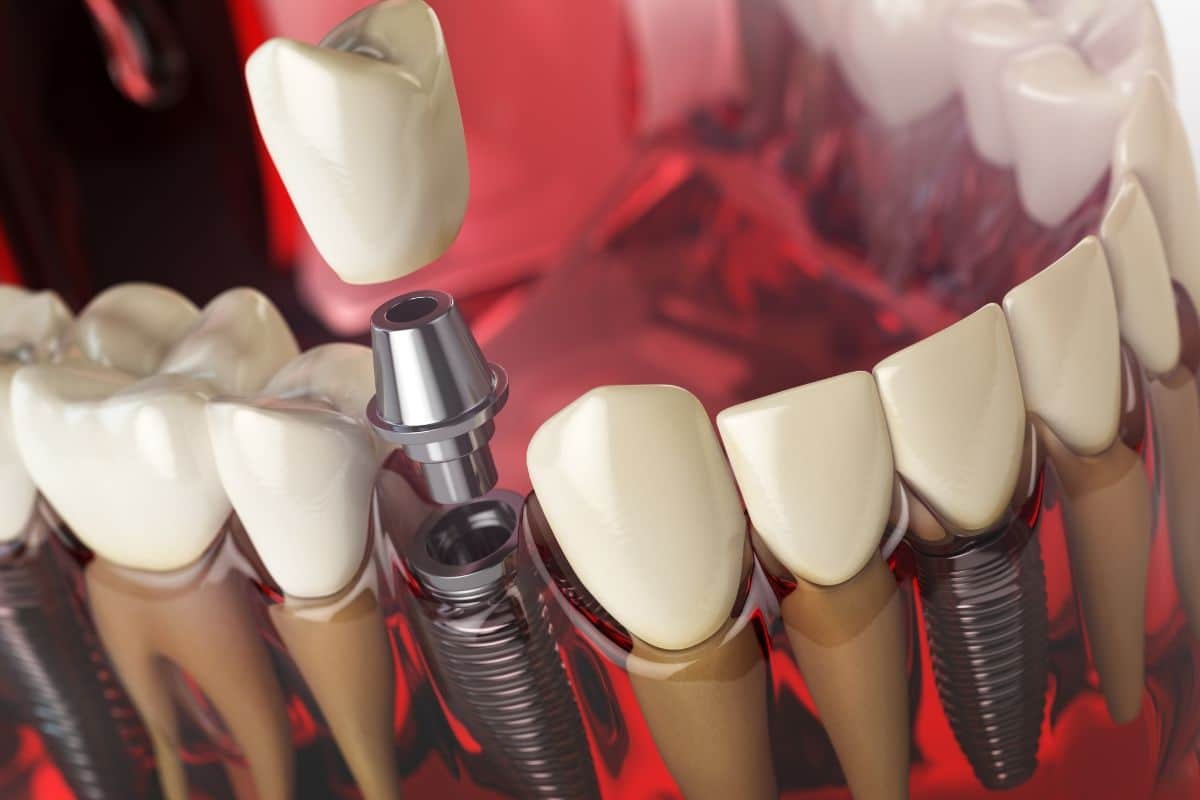
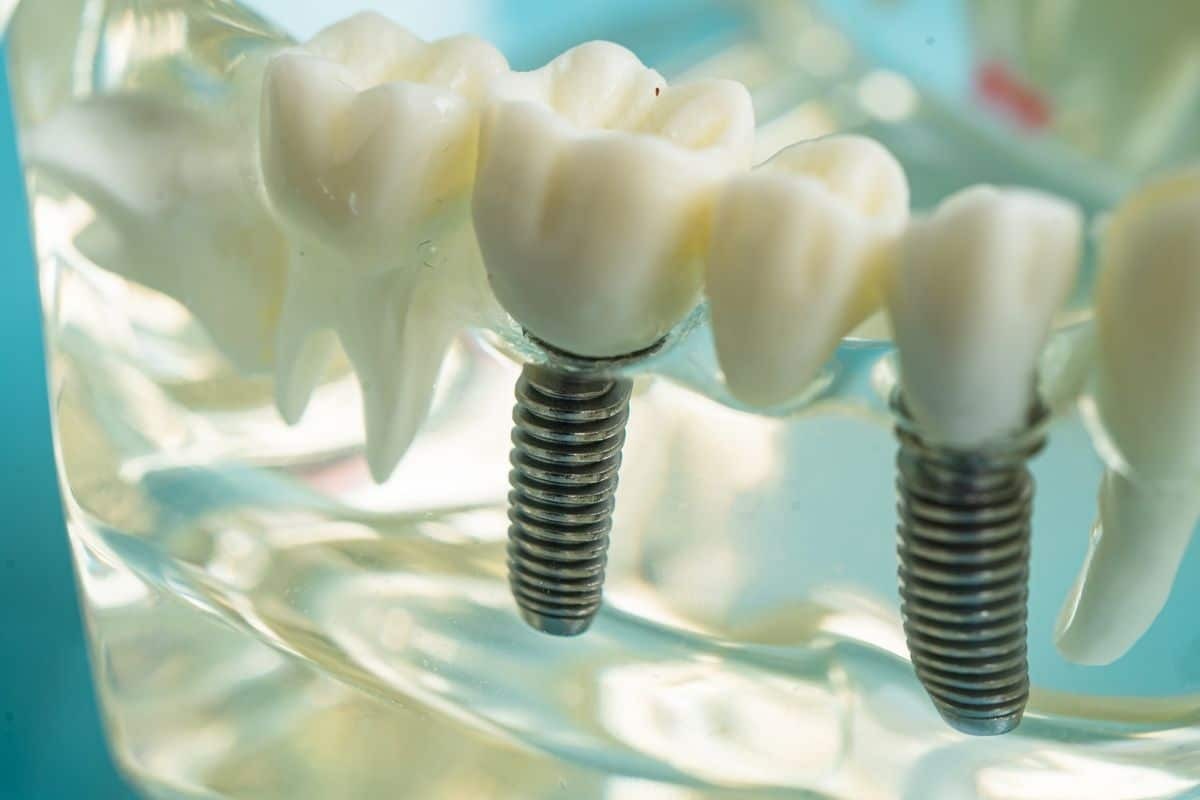
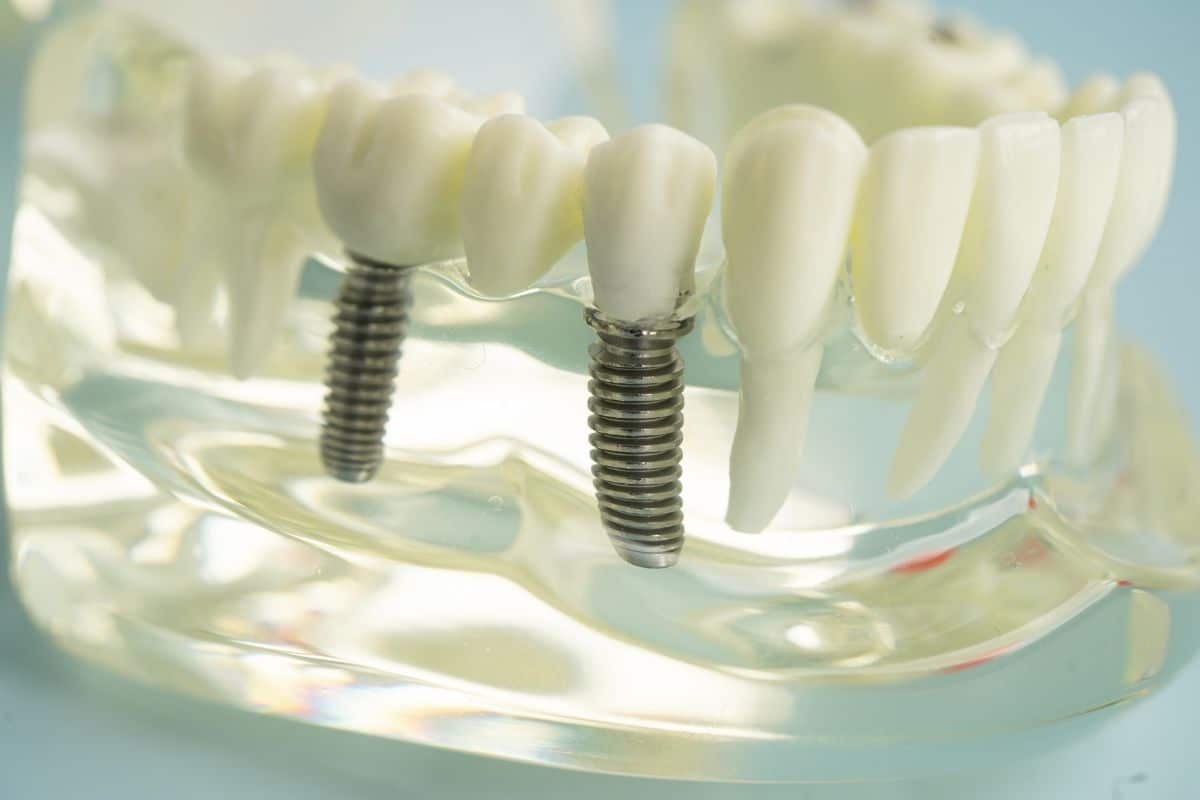
During implant placement, small posts, commonly made of titanium, are positioned in the jawbone. These posts act as artificial tooth roots and provide support for the replacement teeth.
The exact procedure depends on your anatomy and treatment plan. Some patients need extractions and implant placement during the same surgical phase, while others require separate appointments.
Your periodontist will explain anesthesia options, aftercare instructions, and what to expect during the first few days of recovery.
4. Initial Healing and Bone Integration
Estimated timeframe: Several months in many cases
After implant placement, the surrounding bone gradually bonds with the implant in a process called osseointegration. This creates the stable foundation needed to support the final restoration.
The implant site may feel tender or swollen during the first several days. These symptoms generally improve as the tissues heal, but the bone continues healing long after you feel better.
For many patients, implant integration takes approximately three to six months. The actual timeframe varies according to bone quality, implant location, general health, and whether grafting was performed.
Your provider will assess healing before determining when the implants are ready to support the final teeth.
5. Temporary Teeth During Healing
Estimated timeframe: Depends on your treatment plan
You may not need to go without replacement teeth while your implants heal. Some patients qualify for temporary teeth on the day of surgery or shortly afterward. Others need a different temporary solution while the implants integrate with the bone.
Receiving temporary teeth immediately is not appropriate for every patient. It depends on factors such as implant stability, bone quality, bite forces, and the type of restoration planned.
If immediate temporary teeth are important to you, discuss this before surgery. Your periodontist and restorative dentist can explain what is realistic for your case.
6. Placement of Your Final Teeth
Estimated timeframe: After sufficient healing and confirmation of implant stability
Once the implants have integrated adequately and your care team confirms that healing is progressing well, the final implant-supported teeth can be made and attached.
Your restoration may be designed to replace an entire upper or lower arch. The team will evaluate the fit, bite, appearance, and comfort before completing treatment.
Some patients may need additional appointments for impressions or digital scans, adjustments, and follow-up evaluations. These steps help ensure the restoration fits your individual needs.
What Can Make the Timeline Longer?
Several factors can affect how quickly you progress through treatment.
- Bone loss: Insufficient jawbone may require grafting and additional healing time.
- Gum disease: Active periodontal disease may need treatment before implant surgery.
- Overall health: Certain medical conditions and medications can affect healing and require additional planning.
- Smoking or tobacco use: Tobacco can interfere with healing and increase the risk of implant complications.
- Treatment complexity: The number and position of implants, extractions, and the type of restoration influence scheduling.
- Individual healing response: Bone and soft tissue do not heal at exactly the same rate for everyone.
Your timeline should be based on clinical findings rather than a fixed promise. Allowing adequate healing time is important, even if it means the process takes longer than expected.
How Can You Help Your Dental Implants Heal?
Although you cannot control every part of the healing process, following your care team’s instructions can help support recovery.
- Follow your prescribed post-operative care routine.
- Eat soft foods for as long as recommended and avoid putting excessive pressure on healing areas.
- Keep your mouth clean using the brushing and cleaning methods recommended by your provider.
- Avoid smoking and tobacco products, particularly during healing.
- Attend follow-up appointments so your provider can monitor the implants.
- Contact your dental care team if you develop worsening pain, increasing swelling, fever, or other concerning symptoms.
Avoid judging your progress by how comfortable your mouth feels alone. An implant can feel fine before the bone has finished integrating, which is why follow-up examinations matter.
Are Full Mouth Dental Implants Worth the Wait?
For many patients, the potential benefits make the treatment process worthwhile. Implant-supported teeth can provide a stable alternative to conventional removable dentures, help restore chewing function, and improve confidence when speaking and smiling.
The right option depends on your oral health, goals, budget, and preferences. If you want to understand the possible advantages in more detail, read our guide to the benefits of full mouth dental implants.
It is also worth discussing the long-term commitment. Implant-supported teeth require daily cleaning and regular professional maintenance. They are not maintenance-free, and the surrounding gums and bone need continued care.
Frequently Asked Questions
Can I get full mouth dental implants in one day?
Some patients qualify for implant placement and temporary teeth on the same day. However, this does not mean the entire treatment is completed in one day. The implants still need to heal, and final teeth may be attached later. Eligibility depends on your clinical examination and treatment plan.
Does bone grafting make the process take longer?
Yes, it can. Bone grafting may add several months to the timeline because the graft needs time to heal before the next stage. The amount of additional time depends on the grafting procedure, the location being treated, and how your body heals.
How long will I be without teeth during treatment?
That depends on your starting condition and the temporary restoration selected. Some patients receive temporary teeth during the healing period, while others may need an alternative arrangement. Ask your dental team how your appearance and eating function will be managed between appointments.
Is recovery from full mouth dental implants painful?
Some soreness, swelling, bruising, and difficulty chewing may occur after surgery. The degree of discomfort varies with the extent of treatment and individual healing. Your provider will give you instructions for managing recovery and explain which symptoms should prompt a call to the office.
Who can tell me how long my treatment will take?
A qualified implant provider can estimate your timeline after examining your mouth, reviewing your medical history, and assessing your jawbone. If you are considering treatment in Manhattan, a consultation with Madison Avenue Periodontics can help clarify which stages may apply to your case.
Plan Your Full Mouth Dental Implant Treatment in New York
The full mouth dental implants timeline is different for every patient. While some people can move through treatment in a few months, others need additional procedures or more time for healing. Understanding the stages from the first examination to the placement of your final teeth can help you plan with greater confidence.
Madison Avenue Periodontics provides periodontal and dental implant care in New York City. If you are considering replacing most or all of your teeth, schedule a consultation to discuss your oral health, treatment options, and expected timeline. You can also see patient reviews on Google to explore patient feedback about the practice.
A personalized evaluation is the best starting point for understanding what your treatment may involve and how long it could take.