501 Madison Ave 22nd Floor, New York, NY 10022

Dental Implant Recovery Timeline: Week-by-Week Healing Guide

Dental implants are one of the most reliable and long-lasting solutions for replacing missing teeth. If you’re considering dental implants in New York, one of the most common questions you may have is: “How long does recovery take?”
Understanding the dental implant recovery timeline can help you feel more confident and prepared for the healing process. While every patient heals differently, most people can return to normal daily activities within a few days and continue healing over several months as the implant integrates with the jawbone.
In this guide, we’ll walk through what to expect week by week, recovery tips, and how to support a successful outcome.
Quick Answer
The typical dental implant recovery timeline ranges from a few days for initial healing to three to six months for complete integration with the jawbone. Most patients experience mild swelling and discomfort during the first week, while the implant gradually fuses with the bone over the following months before the final restoration is placed.
Understanding the Dental Implant Healing Process
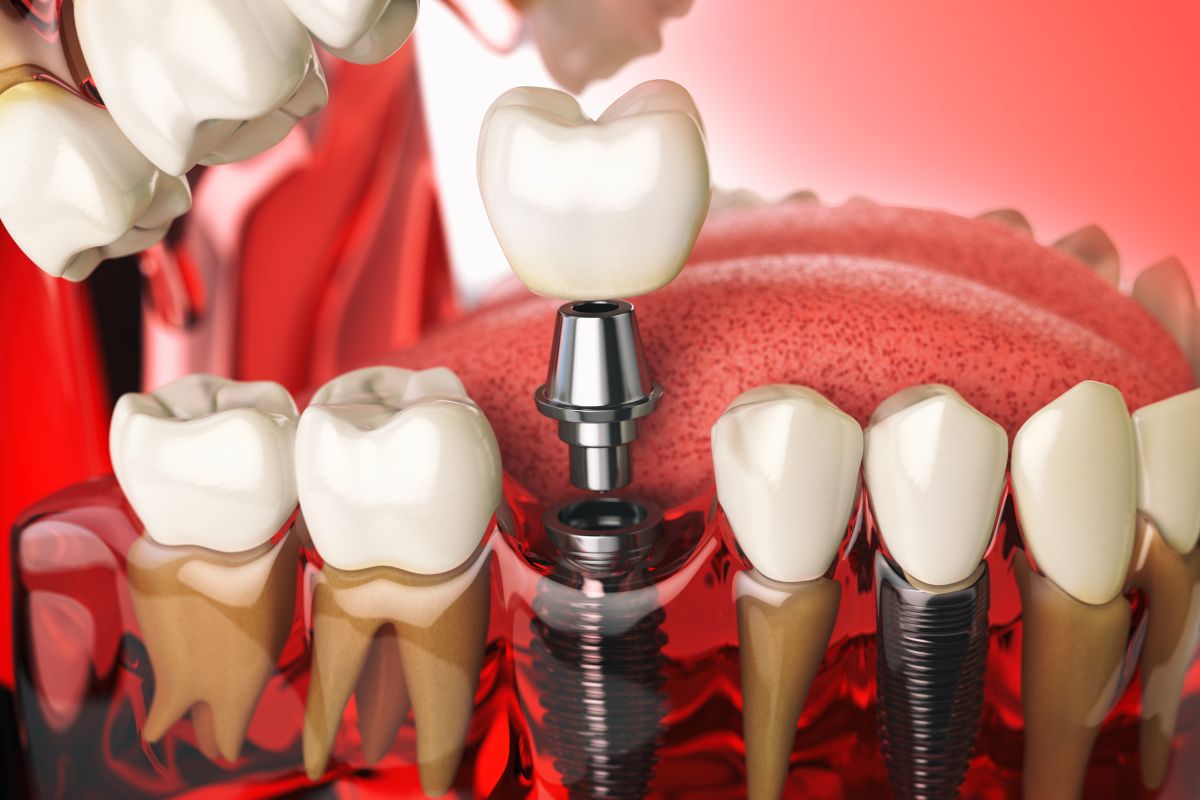
A dental implant consists of a titanium post that is surgically placed into the jawbone to act as an artificial tooth root. After placement, the implant undergoes a process called osseointegration, where the bone grows around and bonds with the implant.
This healing phase is critical because it creates a stable foundation for the final crown, bridge, or denture.
Several factors can influence recovery, including:
- Overall health
- Bone quality and density
- Smoking habits
- Oral hygiene practices
- Whether bone grafting was required
- Following post-operative instructions
Week 1: The Initial Recovery Phase
The first week is when most patients notice the greatest amount of healing activity.
What You May Experience
Common symptoms include:
- Mild swelling
- Minor bruising
- Tenderness around the implant site
- Slight bleeding during the first 24 hours
- Temporary discomfort when chewing
Most discomfort can be managed with prescribed or over-the-counter medications recommended by your periodontist.
Recovery Tips for Week 1
To promote healing:
- Eat soft foods such as yogurt, mashed potatoes, and soups
- Avoid hot foods for the first day
- Stay hydrated
- Avoid smoking and tobacco products
- Follow oral hygiene instructions carefully
Many patients return to work within one to three days after surgery.
Weeks 2-4: Soft Tissue Healing
By the second week, swelling and discomfort typically decrease significantly.
The gums surrounding the implant begin to heal and close around the surgical site. During this period, patients often notice improved comfort and are able to resume more normal eating habits.
What Happens During This Stage?
- Gum tissue continues healing
- Inflammation decreases
- The implant remains stable beneath the gums
- Follow-up appointments may be scheduled
Although you may feel fully recovered, the jawbone is still undergoing important changes beneath the surface.
Months 1-3: Osseointegration Begins
This stage is one of the most important parts of the dental implant recovery timeline.
During osseointegration, the implant gradually bonds with the surrounding bone. This biological process creates the strength needed to support future chewing forces.
Why This Stage Matters
Successful osseointegration helps:
- Improve implant stability
- Support long-term function
- Reduce the risk of implant failure
- Create a natural-feeling tooth replacement
Most patients do not experience discomfort during this phase, even though significant healing is occurring internally.
Months 3-6: Final Bone Integration
For many patients, complete integration occurs between three and six months after surgery.
Your periodontist will evaluate the implant through clinical examinations and imaging to confirm that healing is progressing properly.
Once sufficient integration has occurred, the final restoration can be placed.
Signs of Healthy Healing
You may notice:
- No pain around the implant site
- Healthy gum tissue
- Stable implant positioning
- Comfortable chewing function
At this stage, patients are often ready for the next phase of treatment.
Receiving Your Final Restoration
After healing is complete, your custom dental crown, bridge, or denture is attached to the implant.
The restoration is designed to:
- Match surrounding teeth
- Restore chewing ability
- Improve speech
- Enhance smile appearance
Many patients report that implant-supported restorations feel remarkably similar to natural teeth.
Factors That Can Affect Recovery Time
Not all recovery experiences are identical.
Several factors may extend or shorten your healing timeline:
Bone Grafting
Patients who require bone grafting may need additional healing time before implant placement or restoration.
Smoking
Smoking can reduce blood flow and increase the risk of healing complications.
Medical Conditions
Conditions such as uncontrolled diabetes may affect the body’s healing response.
Oral Hygiene
Consistent brushing, flossing, and professional dental care play an important role in implant success.
Aftercare Tips for Long-Term Implant Success
Proper aftercare is essential even after the initial recovery period. Following the right techniques for brushing and flossing with dental implants can help protect your investment and support long-term oral health.
Consider the following recommendations:
- Brush twice daily
- Floss around implants as instructed
- Attend regular periodontal checkups
- Avoid using teeth as tools
- Wear a nightguard if recommended
- Maintain a healthy diet
Good oral hygiene helps protect both the implant and surrounding gum tissue.
Are Dental Implants Worth the Recovery Time?
For many patients, the answer is yes.
Dental implants offer several advantages compared to other tooth replacement options:
- Long-term durability
- Natural appearance
- Improved chewing efficiency
- Jawbone preservation
- Enhanced confidence
While healing requires patience, the long-term benefits often make the process worthwhile.
Why Choose Madison Avenue Periodontics in New York
When considering dental implants in New York, choosing an experienced periodontal specialist can make a significant difference in your treatment experience.
At Madison Avenue Periodontics, patients receive personalized care tailored to their individual needs and goals. Our team uses advanced diagnostic technology and modern treatment techniques to support predictable outcomes and patient comfort.
We proudly serve patients throughout New York and surrounding communities, providing comprehensive periodontal and implant care in a welcoming environment.
Whether you need a single implant or a more complex treatment plan, our patient-centered approach focuses on education, comfort, and long-term oral health.
See What Local Patients Are Saying
Looking for trusted periodontal and dental implant care in New York? See patient reviews on Google to learn about real patient experiences, explore recent practice updates, and discover why so many individuals choose Madison Avenue Periodontics for their oral health needs.
Conclusion
Understanding the dental implant recovery timeline can help you prepare for every stage of healing. While most patients experience only minor discomfort during the first week, complete integration of the implant with the jawbone typically takes several months.
If you’re considering dental implants in New York, the team at Madison Avenue Periodontics is here to guide you through every step of the process from consultation to final restoration.
To learn more or schedule a consultation, call +1 (212) 755-1144 today and take the next step toward restoring your smile with confidence.
Frequently Asked Questions
How long does it take to recover from dental implant surgery?
Most patients recover from the initial surgery within a few days to a week. Complete healing and bone integration typically take three to six months, depending on individual factors and treatment complexity.
Can I go back to work after getting a dental implant?
Many patients return to work within one to three days after implant placement. Recovery time varies based on the number of implants placed and the nature of your job.
Is swelling normal after dental implant surgery?
Yes. Mild swelling and bruising are common during the first few days after surgery. These symptoms generally improve significantly within the first week.
What foods should I eat after dental implant surgery?
Soft foods such as yogurt, applesauce, scrambled eggs, smoothies, and mashed potatoes are often recommended during the early recovery period. Your provider will advise when you can resume a normal diet.
How do I know if my implant is healing properly?
Healthy healing typically involves decreasing discomfort, healthy gum tissue, and no signs of infection. Regular follow-up appointments help ensure the implant is integrating successfully.
Can smoking affect dental implant recovery?
Yes. Smoking can slow healing, reduce blood flow, and increase the risk of implant complications. Patients are encouraged to avoid smoking during recovery whenever possible.