501 Madison Ave 22nd Floor, New York, NY 10022

How to Brush and Floss with Dental Implants


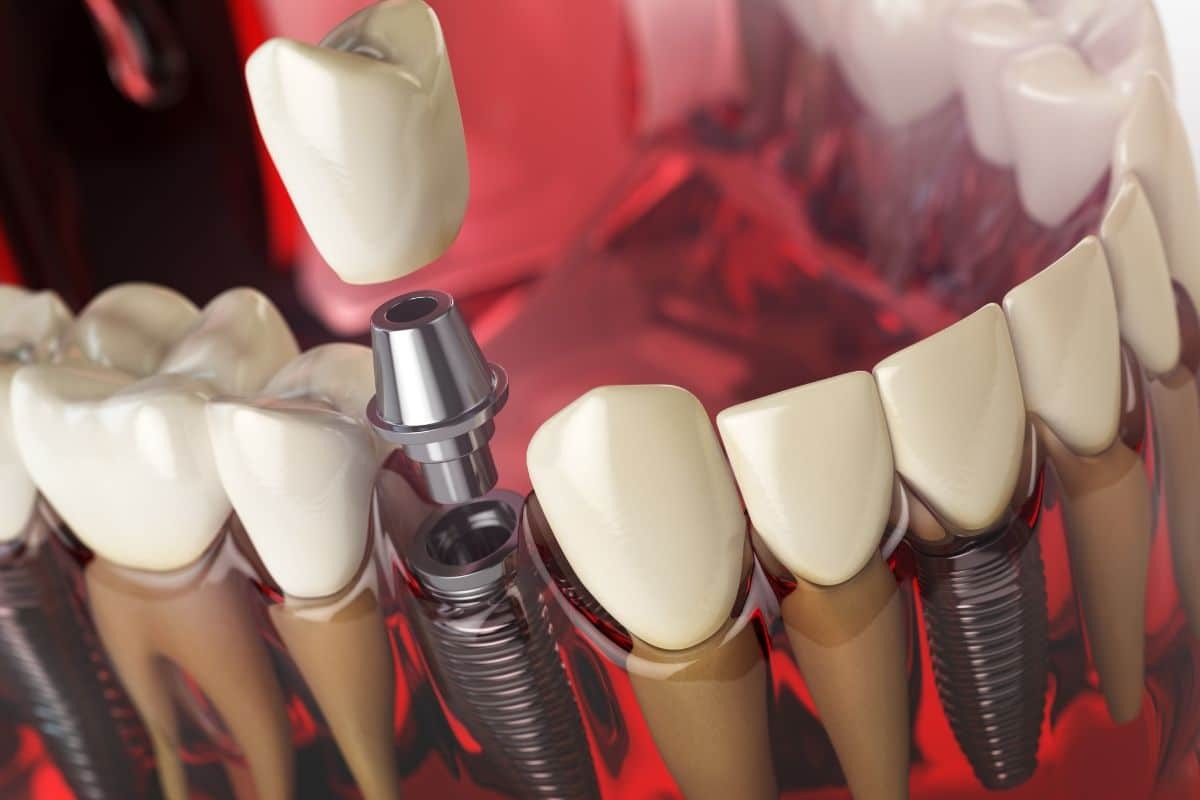
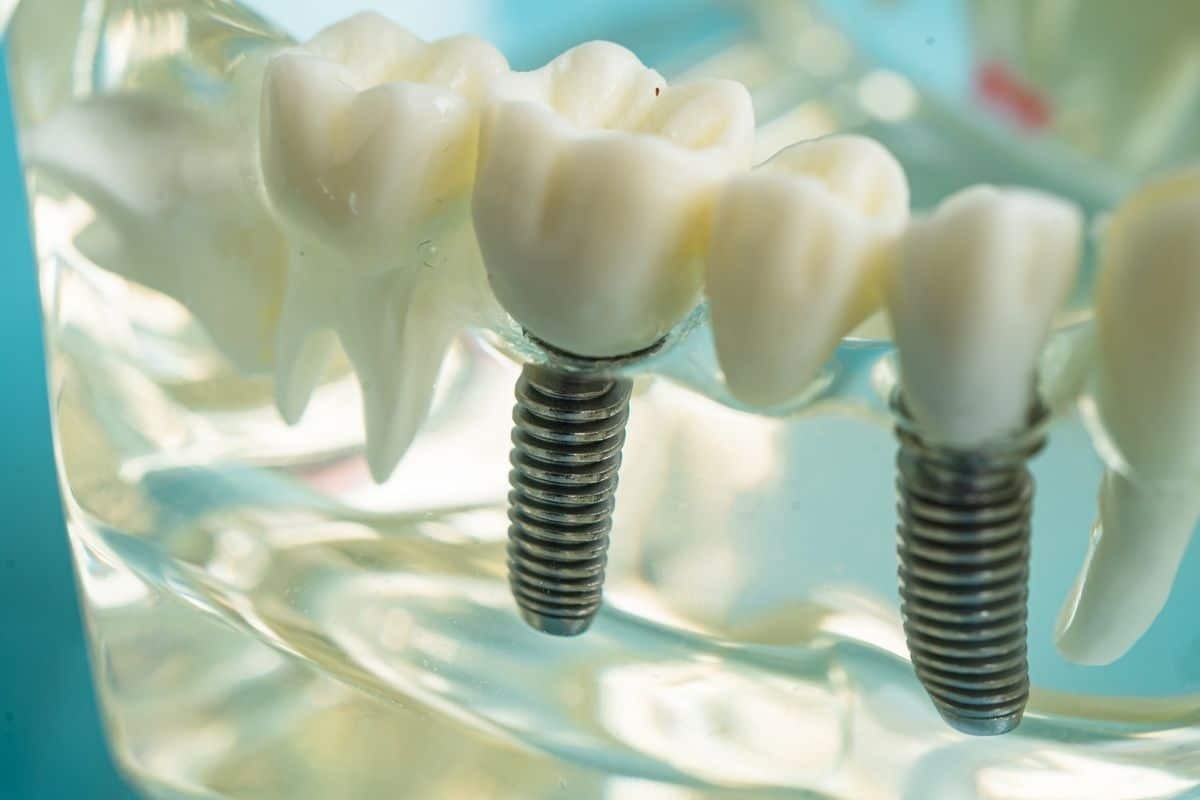
Dental implants are a reliable solution for restoring your smile and improving oral health. When attached to customized crowns, these tiny titanium roots look and feel like natural teeth. Besides, your dental prosthetics will last many years with proper care. However, maintaining them requires a commitment to a consistent hygiene routine. Cleaning around the implant site prevents infection, preserves gum health, and ensures the long-term success of replacement teeth.
Even though dental implants aren’t susceptible to cavities like natural teeth, plaque can still form around them. Continue reading this post to find out why cleaning artificial teeth thoroughly daily is so important.
Can You Clean Dental Implants Right After Surgery?
After the implant procedure, it’s best to avoid cleaning the surgical site too soon. The area needs time to heal correctly. Brushing too early can disturb the healing process and may result in several oral health complications. During the initial days, a gentle rinse with warm salt water can help keep the mouth fresh without causing irritation. Once healing is underway, slowly resume brushing and flossing to maintain oral health. Remain extra careful while removing plaque or tartar buildup near the gum line supporting your dental implant in New York.
Choosing the Right Brush for Implant Care
Using the right toothbrush makes a big difference. A soft-bristled brush is ideal for cleaning around implants. Periodontists often recommend it to remove plaque from the implant site without damaging the surface or irritating your gums. Sometimes, a smaller brush head can also help reach tricky spots, especially around the gum line and between adjacent teeth.
Why is Flossing Essential for Prosthetic Teeth?
Cleaning between the teeth is just as important as brushing the outer surfaces. Food particles and debris can easily collect around the implant, where regular brushing might not reach. Skipping flossing can lead to inflammation or bone loss, threatening the stability of your prosthetic teeth.
If using traditional string floss in this area becomes difficult, consider using a dental flosser or an oral irrigator. These tools are excellent for reaching tight spaces and helping maintain cleanliness around the biocompatible post.
What Happens If You Don’t Brush and Floss With Implants?
Neglecting daily care can lead to serious dental issues over time. Without consistent cleaning, plaque may harden into calculus, increasing the risk of gum disease. If infection sets in, it can weaken the surrounding bone and tissue, ultimately causing dental implant failure. This could mean additional treatment or even the need for a replacement, which can cost time and investment.
Poor hygiene may also contribute to chronic bad breath, discomfort, or an unpleasant taste in the mouth. Moreover, not flossing or brushing as the practitioner instructs can affect your confidence and oral well-being.
With the proper care routine, your implants can stay healthy and functional for years. Brushing and flossing daily and having regular consultations with a periodontist prevent complications and prosthetic failure. For more insights into implant care or to book your appointment, contact our clinic. We are happy to protect your dental prosthetics with regular check-ups and professional cleanings.