501 Madison Ave 22nd Floor, New York, NY 10022

What Can You Eat After Dental Implant Surgery?

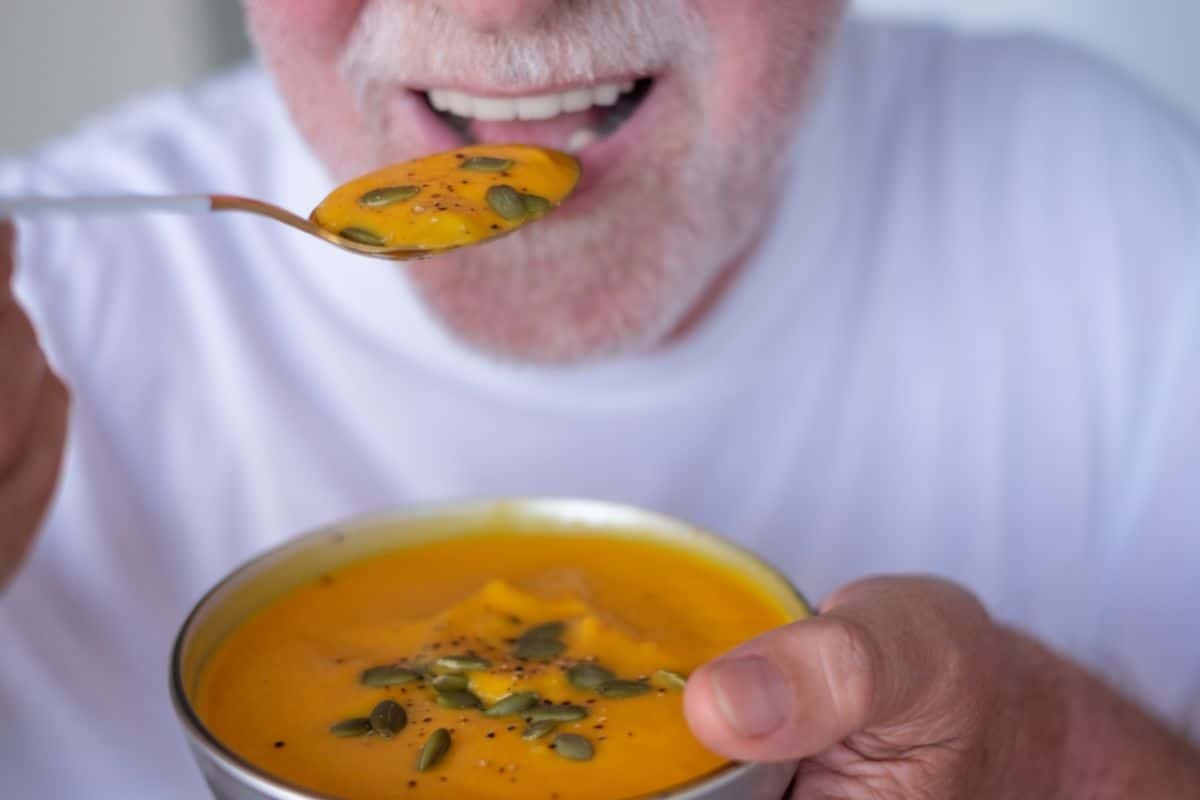
Getting a dental implant is an exciting step toward restoring your smile, but your recovery depends on more than just the procedure itself. Choosing the right foods after dental implant surgery helps protect the implant site, reduce discomfort, and support faster healing. If you’re planning to receive dental implants in New York, knowing what to eat before you head home can make the recovery process much easier.
At Madison Avenue Periodontics in New York, patients often ask which foods are safe after surgery and when they can return to their normal diet. This guide answers those questions and provides practical tips for a comfortable recovery.
Quick Answer
The best foods after dental implant surgery are soft, nutritious, and easy to chew. During the first few days, choose foods like yogurt, mashed potatoes, applesauce, smoothies, scrambled eggs, oatmeal, soup, and cottage cheese. Avoid crunchy, sticky, spicy, or extremely hot foods until your dentist confirms the implant site has healed properly.
Why Your Diet Matters After Dental Implant Surgery
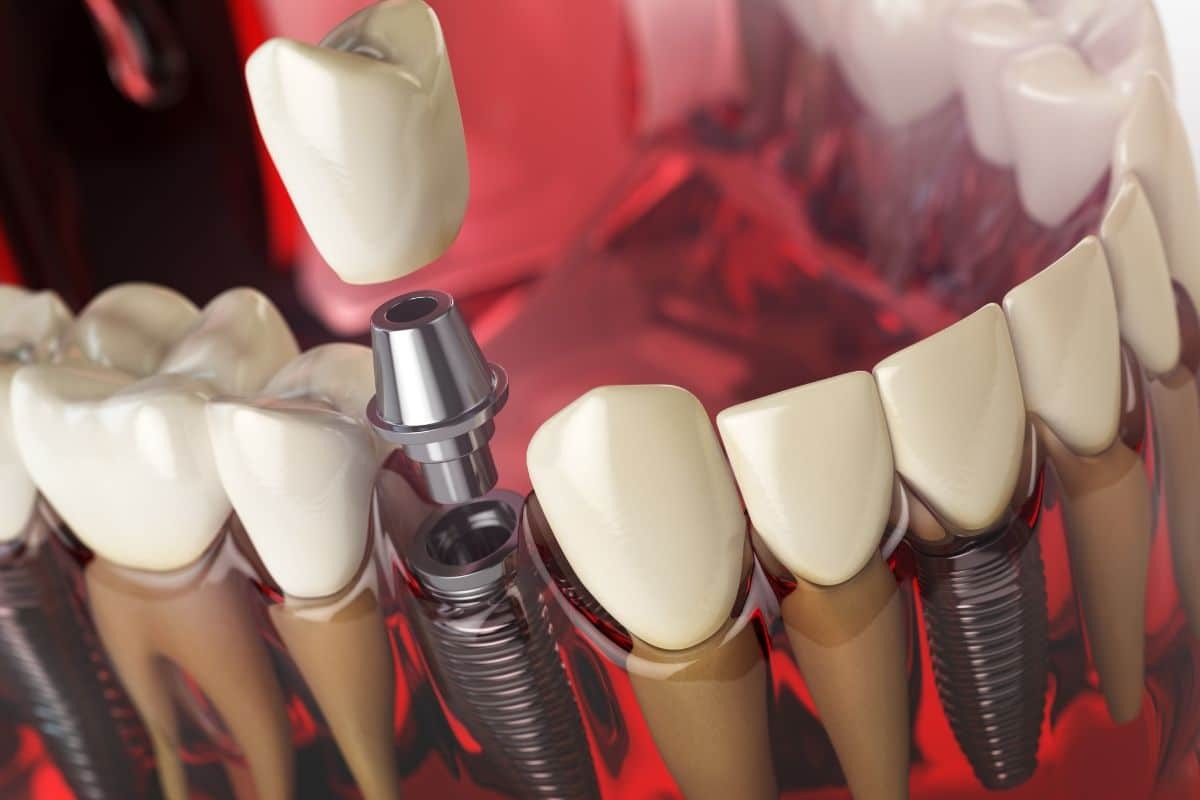
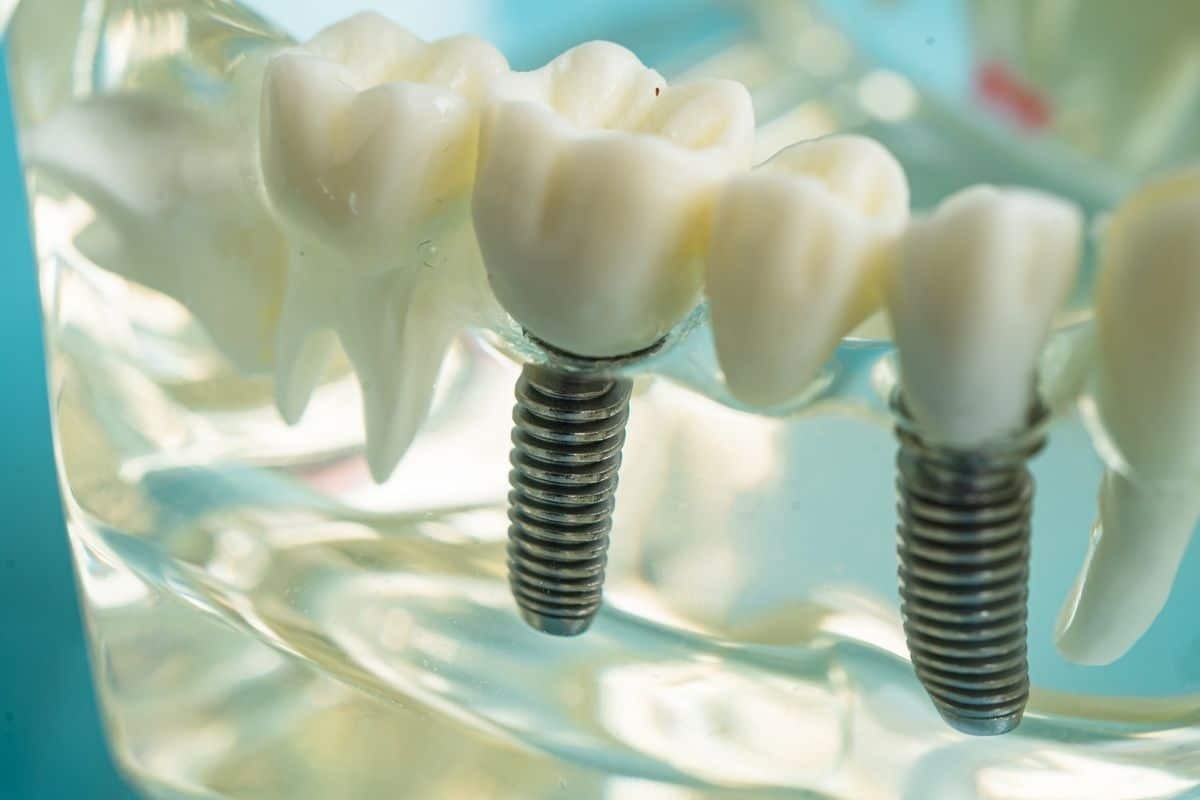
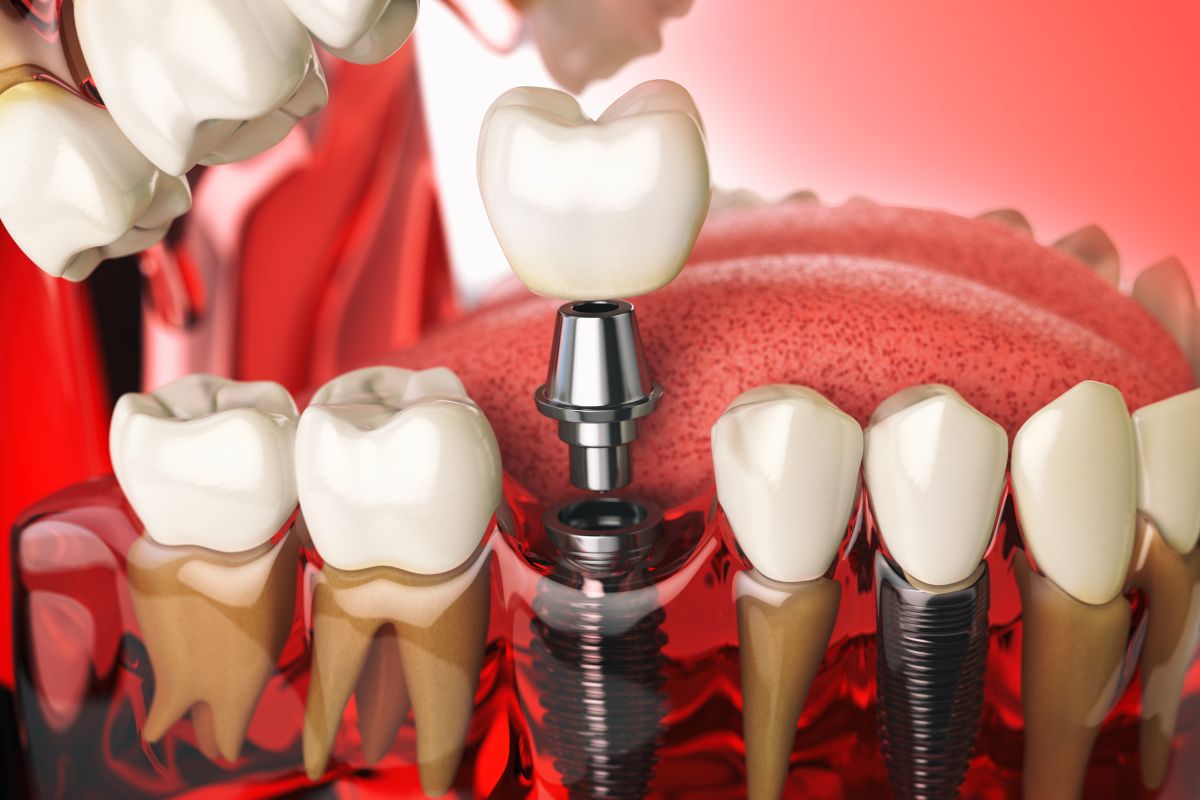
A dental implant needs time to fuse with your jawbone through a process called osseointegration. During the early healing period, the implant site is sensitive and can be disturbed by hard or chewy foods.
Eating the right foods helps:
- Protect the surgical site
- Reduce irritation and swelling
- Support healthy tissue repair
- Lower the risk of complications
- Provide nutrients that encourage healing
A balanced diet also helps your body recover more efficiently after oral surgery.
Best Foods After Dental Implant Surgery
First 24 Hours
Immediately after surgery, stick to cool or room-temperature soft foods.
Good choices include:
- Applesauce
- Yogurt
- Smoothies (without a straw)
- Pudding
- Cottage cheese
- Ice cream in moderation
- Protein shakes
- Gelatin
Drink plenty of water to stay hydrated, but avoid using straws because the suction may interfere with healing.
Days 2-7
As your comfort improves, you can begin adding slightly more filling soft foods.
Consider eating:
- Mashed potatoes
- Oatmeal
- Scrambled eggs
- Soft pasta
- Macaroni and cheese
- Rice
- Well-cooked vegetables
- Cream soups
- Soft fish
- Avocado
- Bananas
These foods provide protein, vitamins, and minerals while remaining gentle on the implant site.
After the First Week
Many patients gradually return to a more normal diet after about a week, depending on their healing progress. Continue introducing foods slowly and always follow your periodontist’s recommendations.
If chewing causes discomfort, return to softer foods for another day or two.
Foods to Avoid During Recovery
Some foods can delay healing or even damage the surgical site.
Avoid:
- Hard candy
- Nuts
- Popcorn
- Chips
- Crusty bread
- Tough meats
- Chewing gum
- Sticky candy
- Caramel
- Very spicy foods
- Extremely hot foods and beverages
- Alcohol during the initial healing period
Smoking and tobacco use should also be avoided because they significantly increase the risk of implant failure.
Nutrients That Help Healing
Eating nutritious meals is just as important as choosing soft foods.
Focus on foods rich in:
Protein
Protein helps repair tissue and supports recovery.
Sources include:
- Eggs
- Greek yogurt
- Cottage cheese
- Soft fish
- Tofu
- Protein shakes
Vitamin C
Vitamin C supports healthy gums and collagen production.
Choose:
- Soft fruits
- Smoothies
- Mashed berries
- Well-cooked vegetables
Calcium and Vitamin D
These nutrients help maintain strong bones around the implant.
Good options include:
- Milk
- Yogurt
- Cheese
- Fortified dairy alternatives
Helpful Recovery Tips
Besides eating the right foods, following your aftercare instructions can improve healing.
Remember to:
- Take medications exactly as prescribed.
- Brush carefully around the surgical area.
- Rinse only when instructed by your dentist.
- Get plenty of rest.
- Avoid strenuous exercise for the first few days.
- Attend all scheduled follow-up appointments.
Healing times vary from patient to patient, so always follow your provider’s specific recommendations.
Good oral hygiene also plays a major role in protecting your new implant once your dentist says it’s safe to clean the area normally. Learn how to brush and floss with dental implants to keep your implants clean, reduce plaque buildup, and support long-term success.
When Should You Call Your Dentist?
Some swelling and mild discomfort are completely normal after implant surgery.
However, contact your dental provider if you experience:
- Severe pain that worsens
- Heavy bleeding
- Persistent swelling after several days
- Fever
- Pus or signs of infection
- A loose implant
Prompt evaluation helps prevent more serious complications.
Why Choose Madison Avenue Periodontics in New York?
Madison Avenue Periodontics proudly serves patients throughout New York, NY with advanced periodontal and implant care. Every treatment plan is personalized to each patient’s oral health goals, ensuring a comfortable and supportive experience from consultation through recovery.
Using modern diagnostic technology, precise surgical techniques, and evidence-based treatment planning, the team focuses on long-term implant success. Whether you’re replacing a single tooth or multiple teeth, patients receive compassionate care designed around their individual needs.
See What Local Patients Are Saying
Want to stay informed about dental tips, office updates, and patient experiences? You can see patient reviews on Google to explore recent updates, and learn why so many New York residents trust Madison Avenue Periodontics for periodontal and dental implant care.
Frequently Asked Questions
How long do I need to eat soft foods after dental implant surgery?
Most patients should eat soft foods for about one week. Your periodontist may recommend a longer period depending on the complexity of your procedure and how quickly you heal.
Can I drink coffee after dental implant surgery?
It’s best to avoid hot coffee for the first 24 to 48 hours. Heat may increase bleeding or irritation. Once healing has begun, lukewarm coffee may be acceptable if your dentist approves.
Can I eat pizza after getting dental implants?
Not immediately. Pizza crust is often too hard to chew and may place pressure on the implant site. Wait until your dentist confirms that healing has progressed sufficiently.
Is it okay to eat eggs after dental implant surgery?
Yes. Scrambled eggs are one of the best recovery foods because they are soft, high in protein, and easy to chew without irritating the surgical area.
When can I return to my normal diet?
Many patients gradually return to regular foods within one to two weeks, although complete healing takes much longer. Always follow your periodontist’s recommendations before eating hard or crunchy foods.
Conclusion
Choosing the right foods after dental implant surgery can make a significant difference in your comfort and recovery. Soft, nutritious meals help protect the implant site while your jaw heals and the implant integrates with the bone. Avoid hard and crunchy foods until your provider tells you it’s safe.
If you’re considering dental implants or have questions about your recovery, Madison Avenue Periodontics is here to help. Schedule your consultation today by calling +1 2127551144 and let our experienced team provide personalized care for a healthier, more confident smile.