501 Madison Ave 22nd Floor, New York, NY 10022

Understanding Dental Bone Graft: Procedure, Recovery, and Cost

A dental bone graft is often a vital step in restoring oral health, especially when a person is preparing for dental implants. Whether you’ve lost teeth due to injury, decay, or periodontal disease, the foundation of your jawbone may have been compromised.
This is where dental bone grafting comes into play, offering a solution to rebuild bone structure and support dental implants effectively.
In this guide, we’ll explore everything you need to know about dental bone grafts — from understanding the procedure to recovery timelines and cost considerations.
Table of Contents
- What is a Dental Bone Graft?
- Types of Dental Bone Grafts
- Understanding the Dental Bone Grafting Procedure
- What to Expect During the Dental Bone Grafting Procedure
- Recovery and Aftercare
- Factors to Consider for a Dental Bone Graft
- How Much Does a Dental Bone Graft Cost?
- Dental Bone Graft in New York at Madison Avenue Periodontics
- Conclusion
- FAQs about Dental Bone Graft
What is a Dental Bone Graft?
A dental bone graft is a procedure designed to restore lost bone structure in the jaw. The need for a bone graft arises when the jawbone has been severely damaged or deteriorated, often due to missing teeth, periodontal disease, or injury.
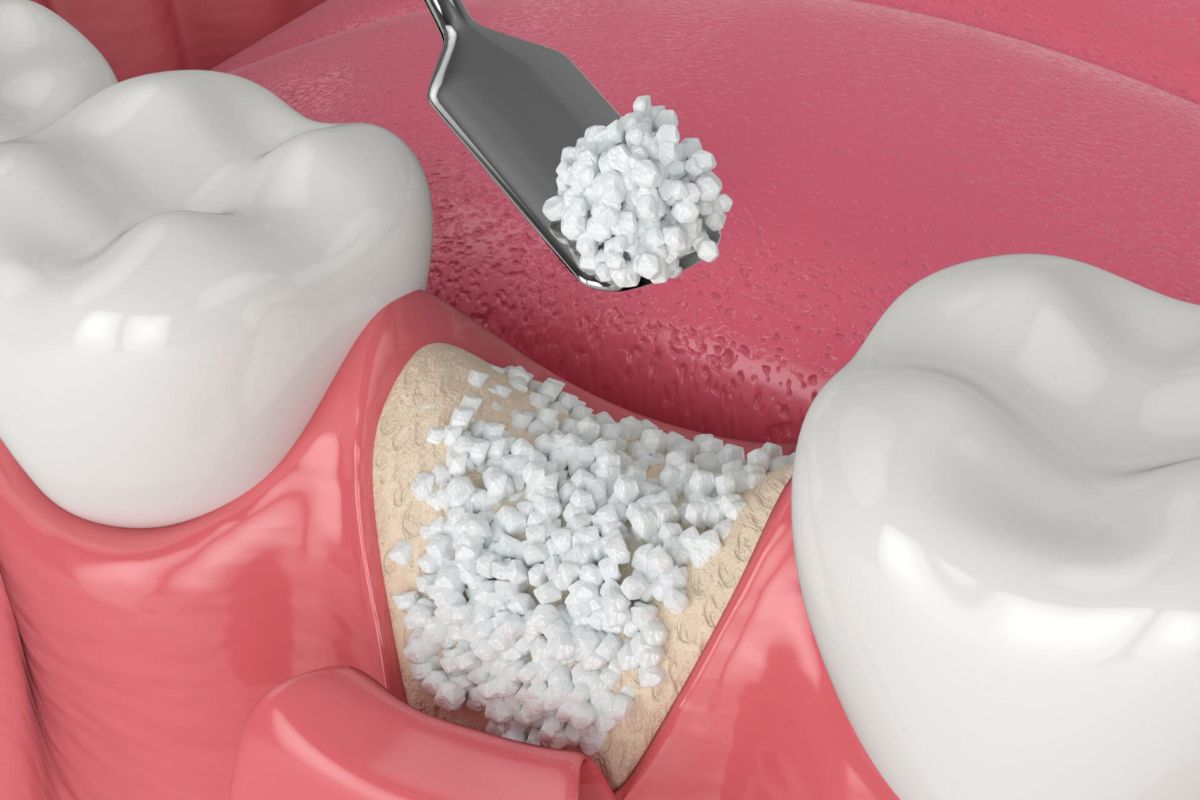
During the procedure, a surgeon will place new bone material into the jawbone area to encourage bone growth and support dental implants.
This bone material can be sourced from various places:
- Autograft:
Bone from the patient’s own body, typically taken from areas such as the chin or hip. - Allograft:
Donor bone tissue from a cadaver, thoroughly sterilized to prevent infection. - Xenograft:
Bone derived from animals, usually bovine. - Alloplast:
Synthetic materials that mimic natural bone and promote regeneration.
By using these graft materials, the procedure aims to rebuild bone in the jaw to ensure successful placement of dental implants in the future.
Types of Dental Bone Grafts
There are several different types of bone grafts, each designed to meet specific needs depending on the condition of your jawbone. These include:
1. Socket Grafts
This is the most common type of bone graft, typically done after a tooth extraction.
The graft material is placed into the empty tooth socket to prevent bone loss and prepare the site for a future implant.
2. Block Bone Grafts
This graft is used when a significant amount of bone is missing. A block of bone is harvested from another area, often from the back of the jaw, and fixed into place.
This procedure can take several months to heal.
3. Sinus Lift Grafts
A sinus lift is performed when the bone in the upper jaw is insufficient to support implants, particularly in the back of the mouth.
The procedure involves lifting the sinus membrane and adding bone graft material beneath it.
4. Lateral Ridge Preservation Graft
When the width of the jaw is insufficient, a lateral ridge preservation graft is performed to increase the bone width. This procedure uses bone grafting material to expand the jawbone and make it suitable for implants.
Each type of graft is chosen based on the degree of bone loss and the location of the defect. Your periodontist will determine the best approach for your case.
Understanding the Dental Bone Graft Procedure
The dental bone graft procedure is typically done under local anesthesia, but sedation options can be discussed if you are feeling anxious. Here’s how it generally works:
- Consultation and X-rays:
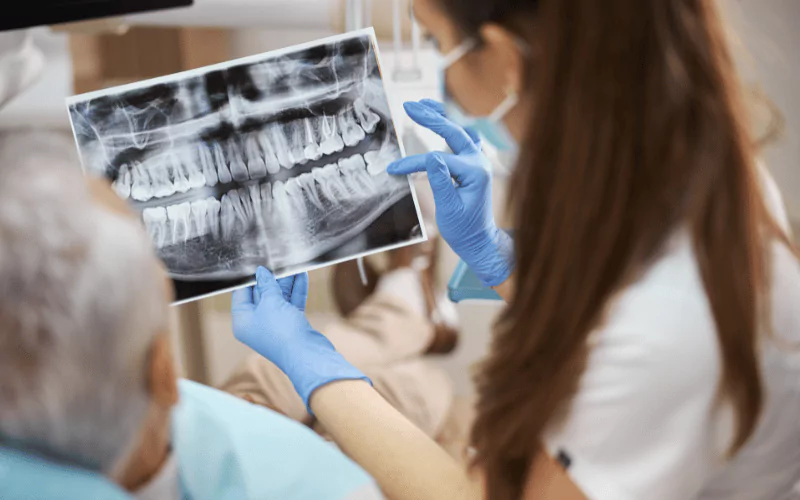
Before the procedure, your dentist or oral surgeon will assess the condition of your jaw through an X-ray or a CT scan to determine the extent of bone loss and identify the right grafting material for your case. - Incision and Accessing the Bone:
Your surgeon will make a small incision in the gum to expose the area of the jawbone that needs repair. - Placing the Bone Graft Material:
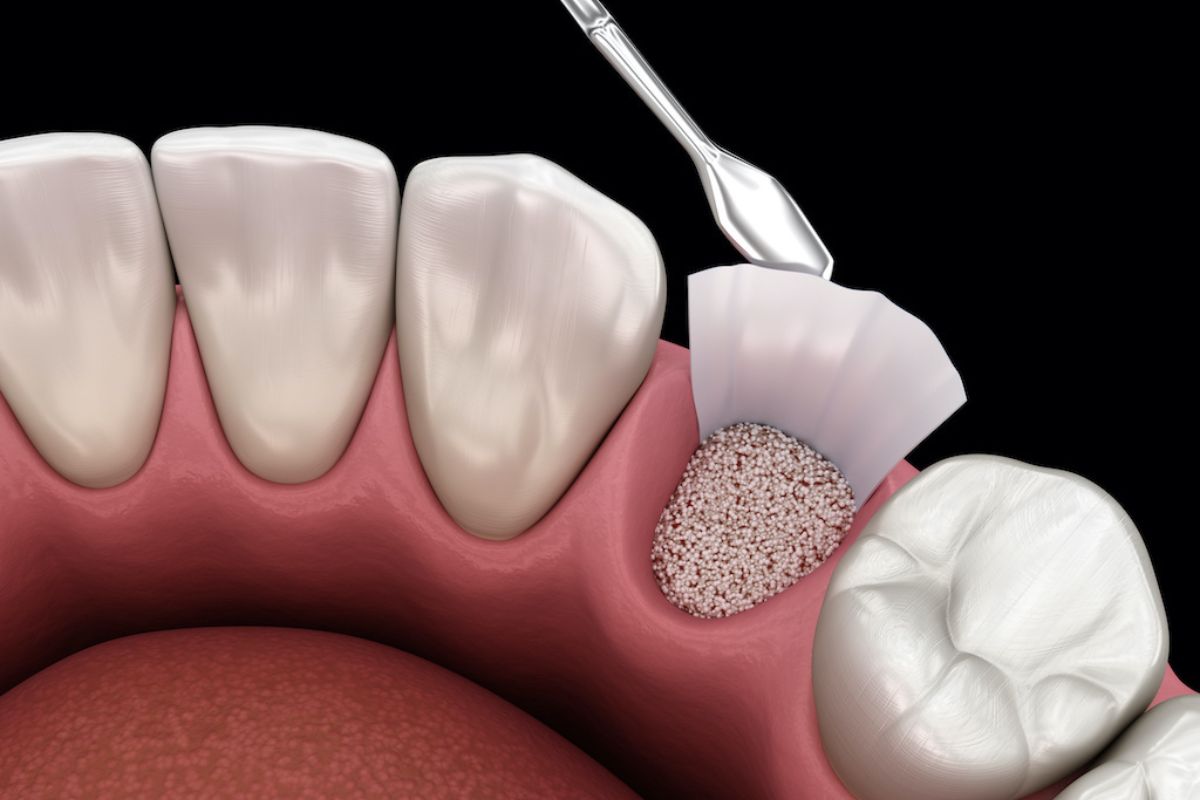
The chosen bone material is placed in the affected area. In some cases, a mesh or membrane may be used to help hold the graft in place. - Closing the Incision:
Once the graft is in place, the surgeon will close the incision with sutures and the healing process will begin.
The entire procedure generally takes between 1-2 hours, depending on the complexity and extent of bone loss.
What to Expect During the Dental Bone Graft Procedure
Dental bone grafting is a relatively safe procedure, but like any surgery, it involves some risks and aftercare considerations:
- Anesthesia and Sedation:
Local anesthesia is used to numb the area. Sedation options are available if you are nervous. - Pain and Swelling:
After the procedure, you may experience mild to moderate discomfort, swelling, and bruising around the treatment site.
This is normal and should subside within a few days. - Duration:
The grafted bone will need several months to integrate with your natural bone.
During this period, you will follow a soft-food diet and avoid any strenuous activity to promote healing.
While most patients report minimal pain, it’s essential to follow your surgeon’s aftercare instructions carefully to ensure the best results.
Recovery and Aftercare
Recovery from a dental bone graft typically takes several months, as the bone needs time to fuse with the surrounding tissue. Here are some key aftercare tips:
- Rest:
After surgery, make sure to rest and avoid strenuous activities to promote proper healing. - Pain Management:
Take prescribed pain medications or over-the-counter pain relievers as directed to manage any discomfort. - Diet:
Stick to soft foods for the first few weeks. Avoid chewing near the surgical site to prevent strain on the graft. - Follow-up Appointments:
Attend follow-up appointments as scheduled to monitor healing progress. - Oral Hygiene:
Gently brush your teeth and rinse with salt water to avoid infection. Avoid brushing directly on the graft site for several weeks.
Full integration of the bone graft may take several months, but after successful healing, the site will be ready for dental implants.
Factors to Consider for a Dental Bone Graft
When considering a dental bone graft, it’s important to take several factors into account:
- Health Status:
Patients with certain health conditions, such as uncontrolled diabetes or blood clotting disorders, may not be ideal candidates for bone grafting. - Bone Density:
The extent of bone loss will determine the type of graft and the time needed for recovery. - Cost:
The cost of a dental bone graft varies based on the type of graft material used, the complexity of the procedure, and geographical location. - Surgeon’s Expertise:
Choosing a skilled periodontist or oral surgeon is crucial for the success of your procedure.
How Much Does a Dental Bone Graft Cost?
The cost of a dental bone graft can range from $300 to $3,000 or more, depending on the type of graft and the location. Factors influencing the cost include:
- Graft Material:
Autografts (using your own bone) tend to be more expensive due to the complexity of the procedure. - Location:
Bone graft costs can vary significantly by location, with urban areas typically being more expensive. - Complexity:
The more extensive the bone loss, the more costly the procedure will be.
The cost of dental bone graft in New York City can be between $1,500 and $3,000, while additional procedures or advanced grafting techniques may increase the overall price.
Dental Bone Graft in New York at Madison Avenue Periodontics
If you’re considering a dental bone graft in New York, Madison Avenue Periodontics is here to help. Our expert team specializes in periodontal care and dental restoration, offering personalized treatments tailored to your specific needs.
Whether you require a minor bone graft for a dental implant or more complex dental treatments in New York, we are committed to providing you with the highest standard of care.
For consultations and more information, contact us at Madison Avenue Periodontics, located at Madison Ave, New York, NY.
Conclusion
A dental bone graft is often the key to restoring jawbone structure and making dental implants a viable option for patients with significant bone loss.
Whether you’re recovering from tooth loss, injury, or gum disease, a bone graft can help restore your oral health. With the right treatment plan, skilled care, and proper
FAQs about Dental Bone Graft
1. How long does it take for a bone graft to heal?
Healing can take anywhere from 3 to 12 months depending on the complexity of the graft and the individual’s overall health.
2. Are dental bone grafts painful?
The procedure itself is generally not painful, as it’s done under anesthesia. Post-surgery discomfort is manageable with medication and typically subsides after a few days.
3. What happens if my bone graft fails?
In rare cases, the graft may fail to integrate with the bone. If this happens, additional grafting procedures or alternatives may be necessary.