501 Madison Ave 22nd Floor, New York, NY 10022

How Can Bone Grafting Help Prepare Your Mouth for Dental Implants?

If you are considering dental implants in New York, the strength and quality of your jawbone are critical to the success of the procedure. Many patients discover that their jawbone has experienced some degree of deterioration due to tooth loss, gum disease, or trauma. Bone grafting is a proven solution that rebuilds the jawbone, creating a stable foundation for dental implants and increasing their long-term success.
What is Bone Grafting?
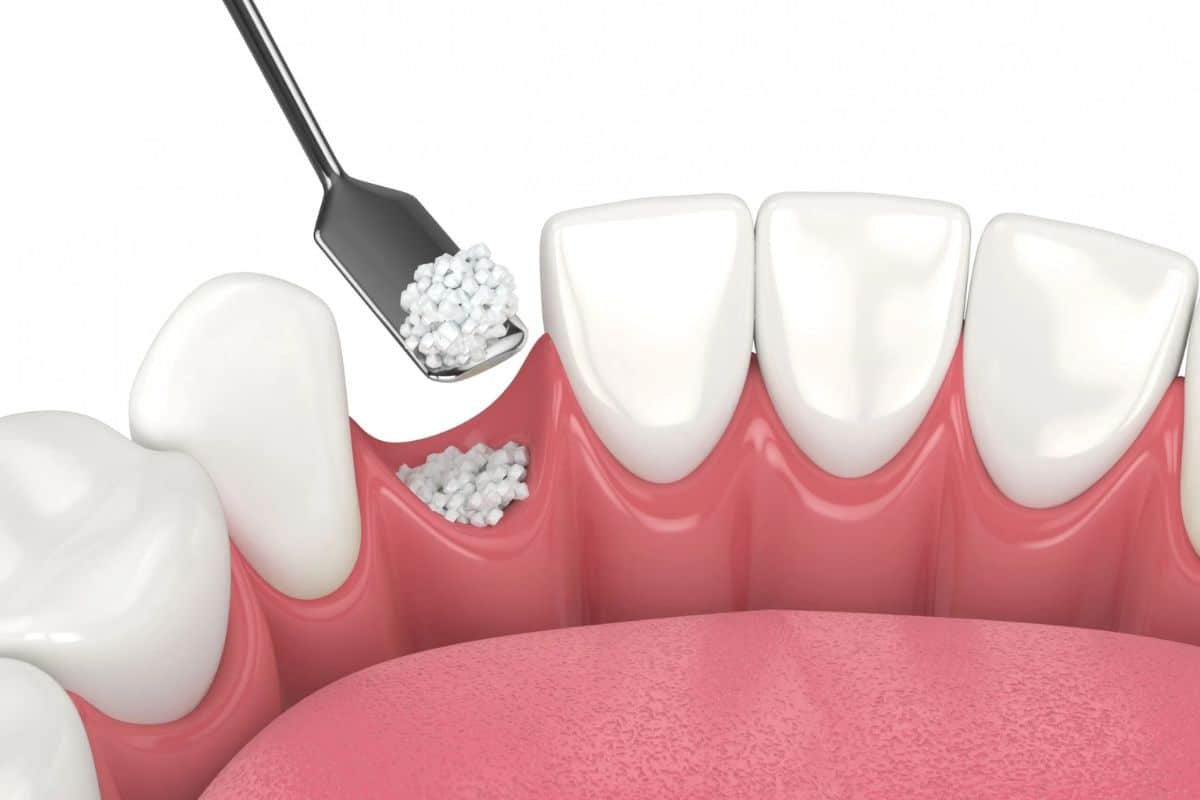
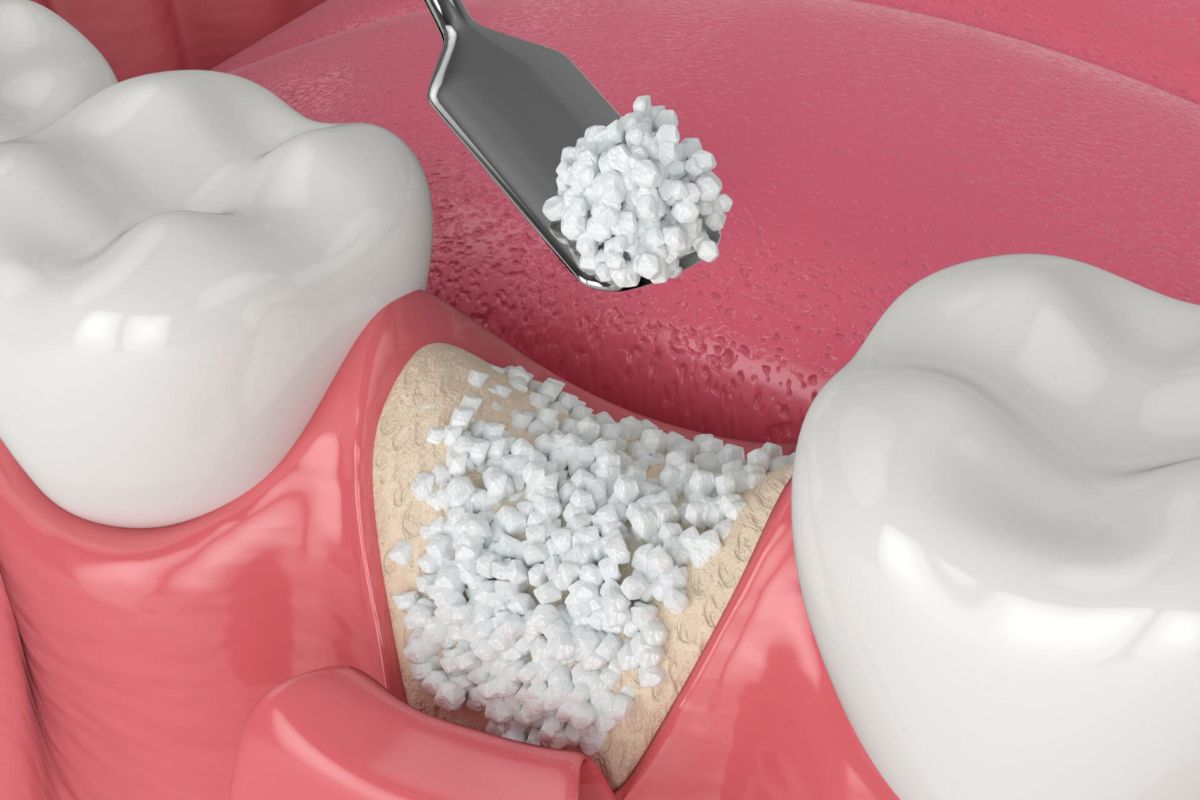
Bone grafting is a dental procedure that replaces or regenerates lost bone in the jaw. The graft material, which can come from the patient’s own body, a donor, or synthetic sources, is carefully placed in areas of insufficient bone. Over time, this graft encourages new bone growth, strengthening the jaw and making it capable of supporting dental implants.
At Madison Avenue Periodontics in New York, we have an experienced team that evaluate each patient individually, ensuring the graft is precisely tailored to the patient’s needs. Common reasons for bone loss include long-term tooth loss, periodontal disease, trauma, or developmental issues. Rebuilding the jawbone not only supports dental implants but also maintains facial structure and oral health.
Why Bone Density is Crucial for Dental Implants
Dental implants rely on a strong, healthy jawbone to anchor securely. Without sufficient bone density, implants may fail to integrate, leading to instability or complications. Bone grafting addresses these concerns by restoring lost bone and ensuring the jaw can fully support the implants.
The benefits of bone grafting for dental implants include providing stability, enhancing aesthetics by preserving facial structure, and preventing future bone loss. In New York, patients who undergo bone grafting often report improved confidence in their smile and better oral function.
Types of Bone Grafting
There are several approaches to bone grafting, and the method chosen depends on the patient’s specific needs and the condition of their jawbone. The most common types include:
- Autografts, which use bone taken from another part of your body
- Allografts, which use donor bone treated to ensure safety
- Xenografts, which use bone derived from animals to stimulate natural growth
- Alloplasts, which are synthetic materials that encourage bone regeneration
A skilled periodontist at Madison Avenue Periodontics will determine which option is most suitable to provide a strong foundation for your dental implants.
Process of Bone Grafting
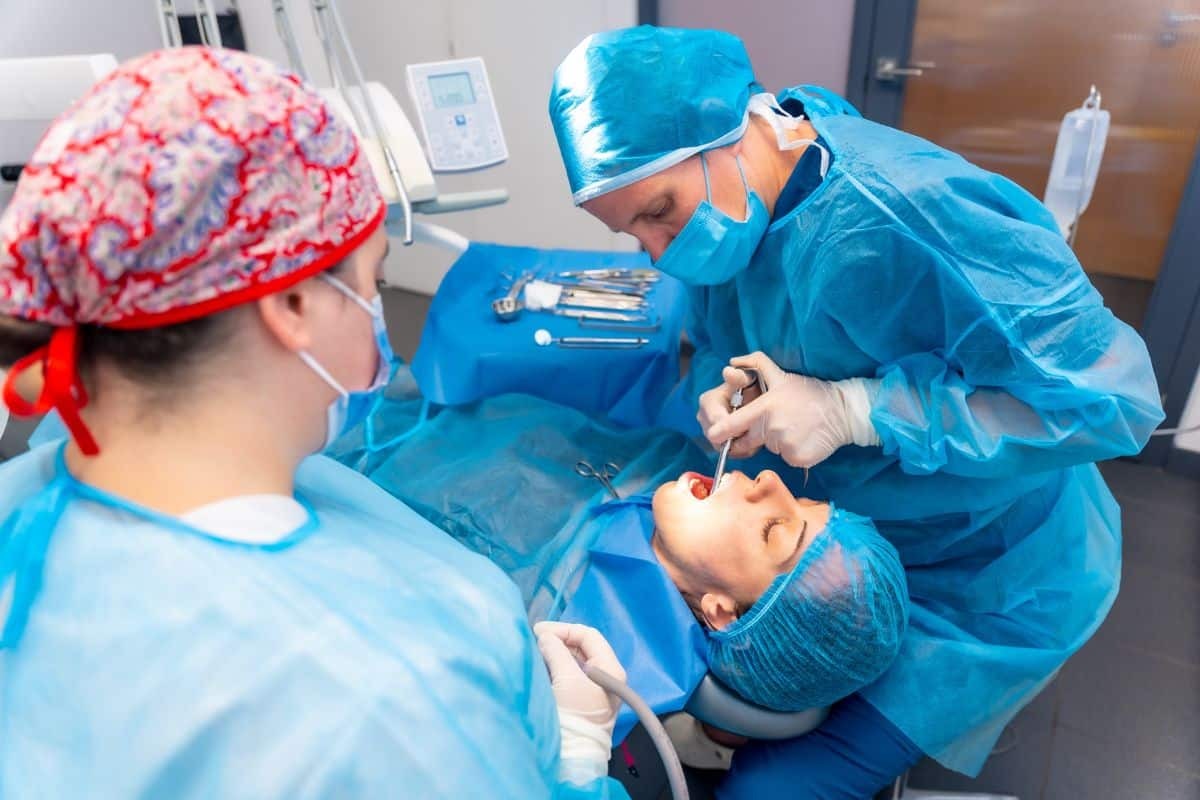
Bone grafting in New York is typically performed as an outpatient procedure under local anesthesia or sedation. The process includes a thorough assessment of the jaw using imaging technology, precise placement of the graft material, and a healing period during which the jaw integrates with the graft. Healing generally takes a few months, during which the new bone becomes strong enough to support dental implants reliably.
Following post-operative care instructions, such as proper oral hygiene and avoiding strenuous activity, helps ensure optimal healing and long-term success.
Advantages of Bone Grafting Before Dental Implants
Bone grafting offers several key benefits for patients preparing for dental implants. It strengthens the jaw to support implants, preserves facial structure, prevents further bone loss, and improves oral function, including chewing and speaking. Additionally, patients can achieve natural-looking results that enhance their smile and overall appearance. Bone Grafting Is Needed Before Dental Implants to ensure the implants integrate fully and provide a natural, functional result.
For those in New York seeking dental implants, undergoing bone grafting first provides peace of mind and a higher likelihood of successful implant placement. Madison Avenue Periodontics has extensive experience in performing these procedures safely and effectively.
How Bone Grafting in New York Supports Successful Dental Implants
Bone grafting is an essential step for patients with insufficient jawbone who are considering dental implants. By rebuilding and strengthening the jaw, this procedure ensures dental implants are stable, functional, and long-lasting. At Madison Avenue Periodontics in New York, experienced periodontists guide each patient through the process with precision and care.
If you are considering dental implants and want to ensure your jaw is fully prepared, schedule a consultation with Madison Avenue Periodontics to explore how bone grafting can help restore your smile with lasting results.
FAQs
Why is bone grafting necessary before dental implants?
Bone Grafting Is Needed Before Dental Implants when the jawbone lacks the density or volume to support implants. Without sufficient bone, implants may not fuse properly, which can lead to instability or failure. Bone grafting rebuilds the jawbone, providing a strong foundation for long-lasting results.
What are the most effective types of bone grafts for dental implants?
At Madison Avenue Periodontics, patients may receive autografts, allografts, xenografts, or synthetic grafts depending on their jawbone condition. The choice is made to optimize bone integration and ensure the implant has maximum stability.
How long does the bone grafting process take before I can get implants?
Healing after bone grafting generally takes three to six months. During this time, the graft integrates with your natural bone, creating a stable foundation for dental implants. The exact timeline depends on the type of graft and your individual healing capacity.
Can I get bone grafting and dental implants at the same time?
In some cases, small grafts can be placed during the same appointment as the implant. However, for significant bone loss, grafting is usually performed first to allow adequate healing and ensure the implant’s success.
How does bone grafting improve the appearance of my smile?
By restoring lost jawbone, bone grafting preserves facial structure and prevents a sunken or aged look. It ensures that dental implants not only function well but also provide a natural, aesthetically pleasing smile.