501 Madison Ave 22nd Floor, New York, NY 10022

How Bone Grafting Supports Long Term Oral Health

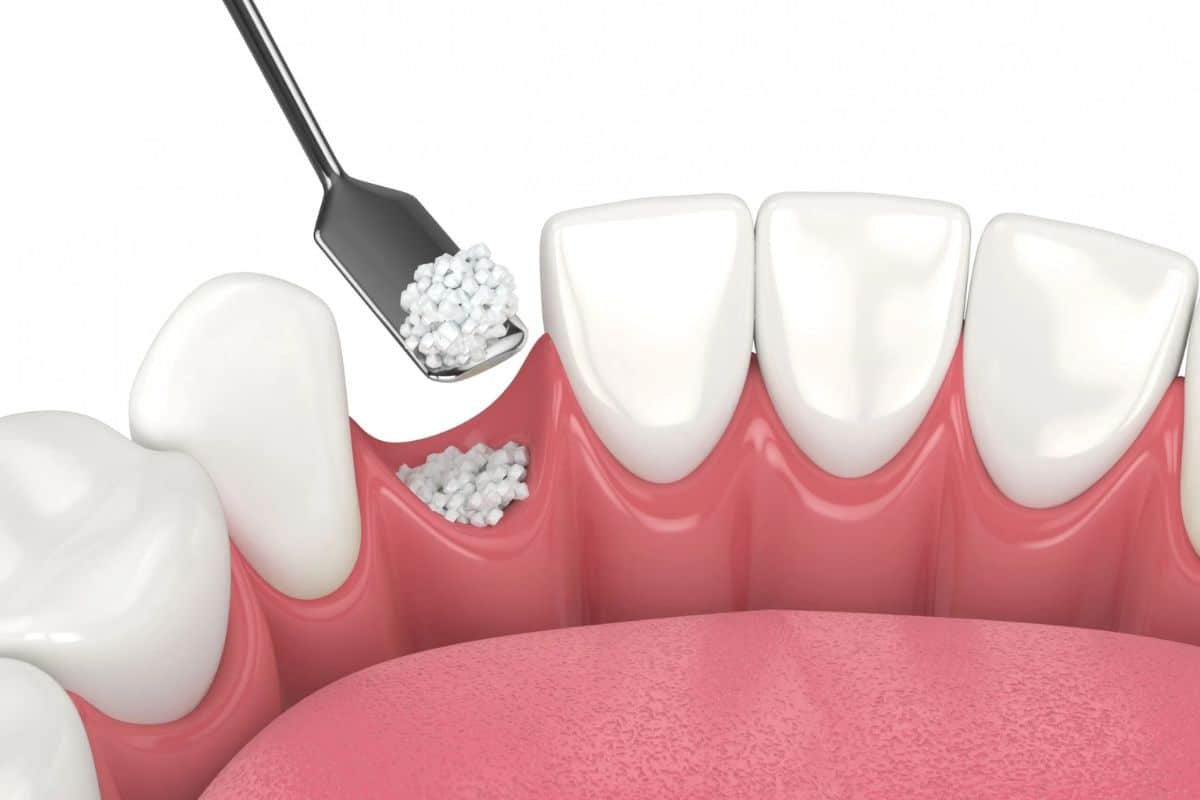
Patients in New York often ask how bone grafting supports long-term oral health. The answer is that it restores lost bone, strengthens the jaw, protects natural teeth, and creates a stable foundation for future treatments such as dental implants. We perform bone grafting to rebuild areas affected by gum disease, tooth loss, or trauma. Since bone does not grow back on its own, grafting becomes the most reliable method to preserve oral function, support facial structure, and prevent additional bone deterioration.
How Bone Grafting Works in Periodontal Care
Bone grafting involves placing special grafting material in areas where the jawbone has thinned. This material encourages natural bone growth and provides a scaffold for healing. Periodontists choose the specific grafting material based on a patient’s needs and the area being treated.
The healing process is gradual but highly effective. As the bone integrates with the grafting material, the jaw regains the strength it needs to support natural teeth and future restorative treatments. Many patients are surprised to learn that bone grafting is a straightforward procedure that can significantly improve the outcomes of periodontal treatment and implant therapy.
During consultations, patients often ask how bone grafting can prepare their mouth for future tooth replacement. I explain that bone grafting creates a solid foundation that allows implants to fuse correctly. In fact, when planning for implant treatment, it is common for patients to wonder how bone grafting helps prepare the mouth for dental implants since implant success depends on proper bone support.
Long Term Benefits of Bone Grafting for Your Oral Health
Stronger Support for Dental Implants
A successful implant relies on a strong jawbone. If the bone is too thin, the implant may not fuse well. Grafting rebuilds the area so the implant can stay secure for many years.
Protection Against Progressive Bone Loss
Jawbone loss continues to worsen when not treated. Bone grafting stops this process by restoring density and improving the overall structure of the jaw.
Improved Stability for Adjacent Teeth
Grafting supports the surrounding teeth by increasing bone volume. This helps prevent shifting, loosening, and further complications.
Better Facial Shape and Appearance
Loss of bone often affects facial contours. Rebuilding the bone helps maintain a natural and healthy facial appearance, a detail many patients in New York appreciate since facial symmetry plays a major role in confidence.
Enhanced Results from Periodontal Treatment
Patients who struggle with gum disease frequently experience bone damage around their teeth. A graft restores these areas and improves the long term success of periodontal therapy.
Greater Comfort When Eating and Speaking
A strong jawbone supports better chewing, clearer speech, and an overall more comfortable bite.
Types of Bone Grafts Used for New York Patients
Periodontists use different grafting materials depending on each case. These may include processed human donor bone, biocompatible grafts from animal sources, synthetic bone alternatives, or bone from the patient’s own body. Each option is selected with careful clinical judgment. Individual needs, long term goals, and oral health history all play a role in choosing the right material for the best outcome.
Patients researching treatments sometimes read about techniques in other areas as well. For example, people exploring bone grafting in New York are usually comparing similar procedures, and the long-term benefits remain consistent across locations. The principle is always the same. Rebuilding the jawbone strengthens oral health and ensures a stable foundation for future treatment.
What to Expect After a Bone Graft Procedure
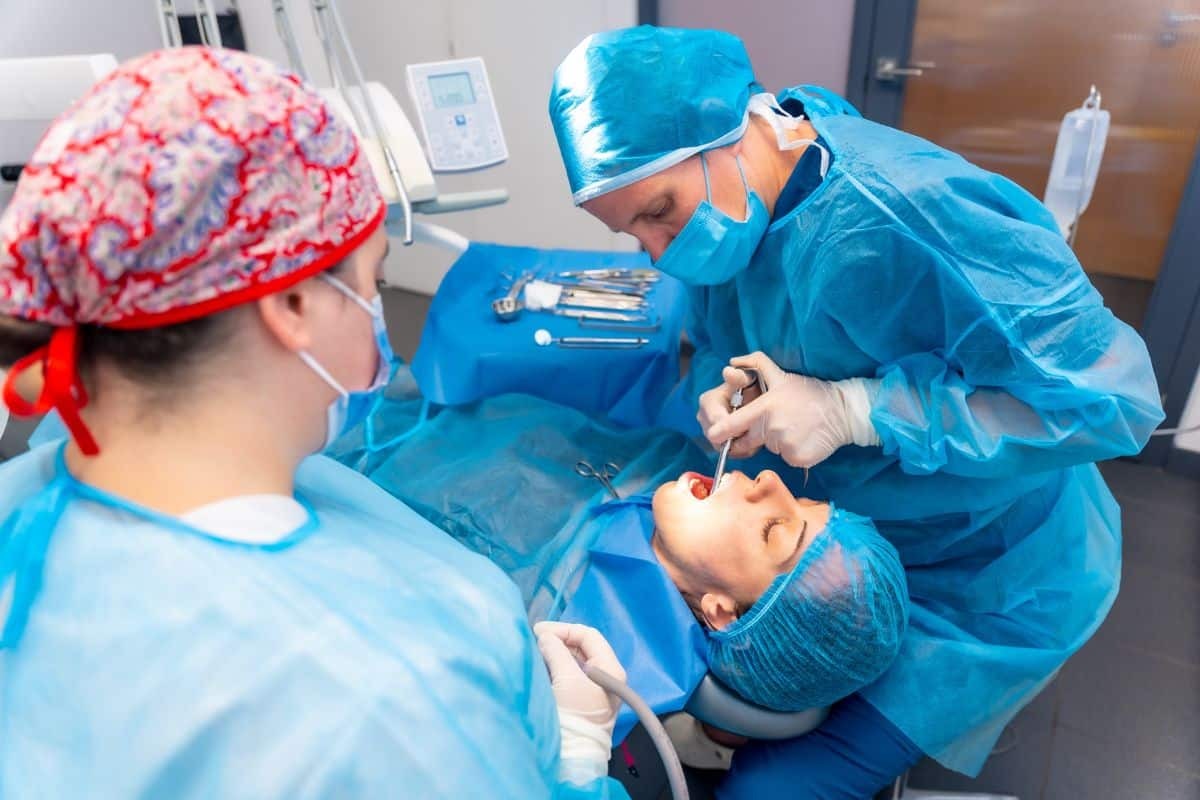
Recovery varies based on the size and location of the graft. Most patients return to normal routines soon after the procedure. Mild swelling or tenderness is expected, but following the post treatment instructions ensures smooth healing.
As the area heals, the jawbone gradually becomes stronger. This rebuilt structure supports long-term dental health and improves the success of treatments like implants, bridges, and periodontal therapy.
Is Bone Grafting a Long Term Solution for Oral Health?
Yes. Bone grafting is one of the most dependable ways to strengthen weakened bone, protect the teeth, and prepare the mouth for future restorative procedures. It is an investment in long term health, and for patients in New York, it offers both functional and aesthetic benefits. Strong bone support leads to better chewing, better stability, and better overall dental health.
Why Bone Grafting Matters for Long-Term Oral Health
Bone grafting is a valuable treatment that restores the foundation of your smile. It prevents bone deterioration, strengthens the jaw, enhances periodontal therapy, and supports dental implant success. For patients in New York who want lasting oral health and long-term stability, bone grafting provides reliable results backed by clinical experience and years of proven success.
If you would like to learn whether bone grafting can help restore your oral health, schedule a consultation at Madison Avenue Periodontics. A personalized assessment will help you understand the treatment, the expected outcomes, and the best path toward rebuilding a strong and healthy smile.
FAQs
How does bone grafting improve long term oral health?
Bone grafting strengthens the jaw, supports natural teeth, protects facial shape, and creates a stable base for dental implants. Since bone does not regenerate on its own, grafting prevents further deterioration and improves the long term stability of your bite.
Is bone grafting required before getting dental implants?
Not always, but many patients need additional bone support before implants can be placed. If the jawbone is too thin, the implant may not fuse well. A bone graft rebuilds the area so the implant remains strong and stable for years.
How do I know if I need bone grafting?
You may need bone grafting if you have had a missing tooth for a long time, if you experience advanced gum disease, or if your dentist notices bone loss on X rays. A consultation with a periodontist provides a clear evaluation of your bone and whether grafting would help.
How long does it take for a bone graft to heal?
Healing time varies but usually ranges from a few months to several months. During this period, the graft integrates with your natural bone, creating a strong and healthy foundation.
Can bone grafting prevent future tooth loss?
Yes. When bone becomes thin, nearby teeth lose support and may loosen. Bone grafting restores the structure needed to keep surrounding teeth stable and healthy.
Can bone grafting improve my facial appearance?
Yes. Bone loss can make the face appear sunken or aged. Restoring bone volume helps maintain natural facial contours and supports a balanced profile.