501 Madison Ave 22nd Floor, New York, NY 10022

9 Signs You May Need a Dental Implant

Missing a tooth may seem like only a cosmetic concern, but it can have a significant impact on your oral health, confidence, and quality of life. Even one missing tooth can affect how you chew, speak, and smile. Over time, it can also contribute to jawbone loss, shifting teeth, and changes in your bite.
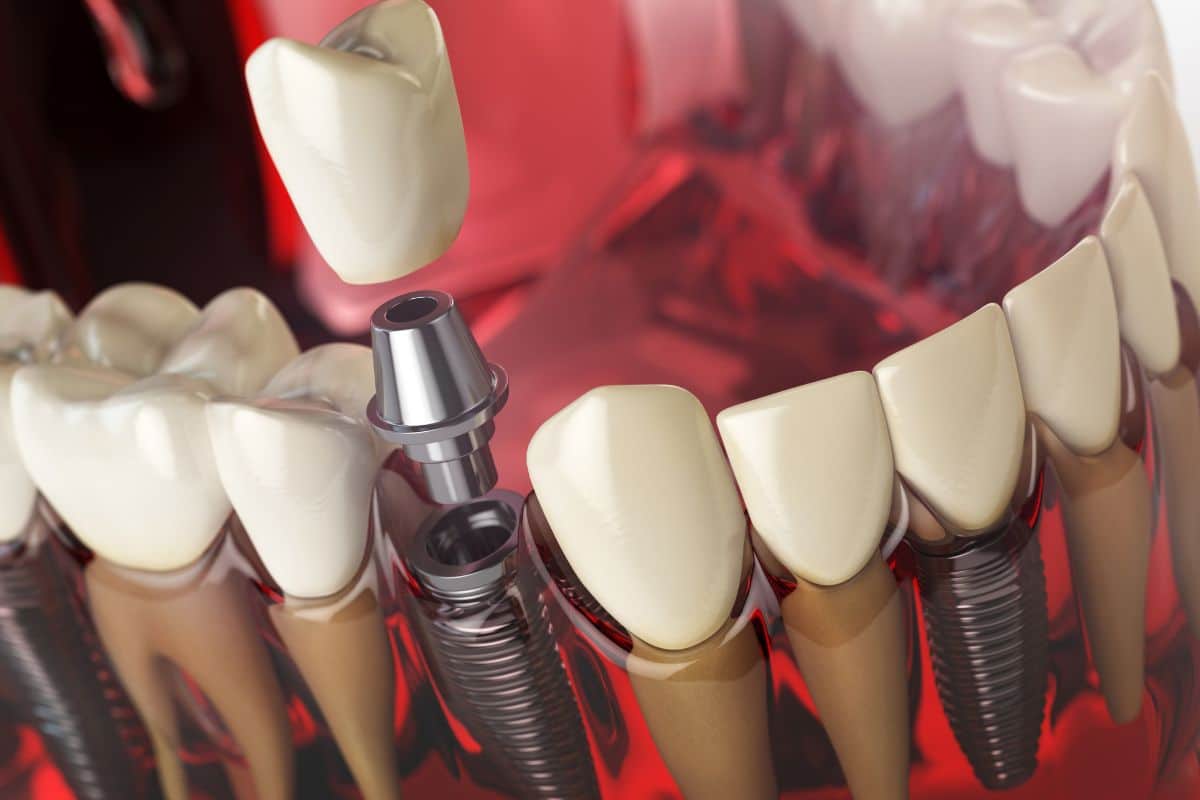
Dental implants are considered one of the most reliable and natural-looking solutions for replacing missing teeth. Unlike removable dentures or traditional bridges, implants are designed to replace the tooth root, helping preserve the jawbone while restoring the appearance and function of your smile.
Many people are unsure whether they are good candidates for dental implants or when they should consider treatment. Recognizing the early warning signs can help you seek care before additional oral health problems develop.
If you live in New York City and have noticed changes in your smile or difficulty eating comfortably, scheduling an evaluation with an experienced periodontist can help determine the best treatment for your needs.
Quick Answer
What are the signs you need a dental implant? Common signs include a missing tooth, difficulty chewing, loose dentures, shifting teeth, jawbone loss, and a severely damaged tooth that cannot be restored. If you notice one or more of these symptoms, a comprehensive evaluation by a periodontist can determine whether a dental implant is the most appropriate long-term solution.
If you’re researching dental implants treatment in New York, understanding the early warning signs of tooth loss and damage can help you make informed decisions about your oral health. An experienced periodontist can evaluate your teeth, gums, and jawbone to determine whether dental implants are the right long-term solution for restoring your smile and preventing future complications.
Why Replacing a Missing Tooth Matters
A missing tooth affects much more than your appearance.
Every tooth plays an important role in supporting your bite, maintaining proper alignment, and stimulating the jawbone. When a tooth is lost, the surrounding bone no longer receives the stimulation it needs during chewing. As a result, the bone gradually shrinks over time.
Without treatment, tooth loss may lead to:
- Difficulty chewing certain foods
- Teeth shifting into empty spaces
- Changes in your bite
- Jawbone deterioration
- Premature facial aging
- Increased wear on remaining teeth
- Reduced confidence when smiling or speaking
Replacing a missing tooth with a dental implant helps restore normal function while preserving the health of your surrounding teeth and jawbone.
9 Signs That You May Need a Dental Implant
1. You’ve Lost a Tooth or Multiple Teeth
The most obvious sign that you may need a dental implant is if you’ve lost a tooth or teeth.
Whether it’s due to decay, injury, or gum disease, missing teeth can lead to functional and aesthetic concerns. Dental implants can fill these gaps and restore your smile.
2. You Struggle to Chew or Speak
Do you find it difficult to chew food or speak clearly because of missing teeth? This is a sign that your bite is being compromised.
Dental implants not only restore the appearance of your smile, but they can also help you chew your food comfortably and improve your speech.
3. Your Dentures Don’t Fit Properly
If you’re wearing dentures and they no longer fit properly, this could be a sign that dental implants might be a better option.
Ill-fitting dentures can cause discomfort, difficulty eating, and embarrassing situations. Dental implants provide a more permanent and secure solution.
4. You Have Jawbone Loss
When you lose a tooth, your jawbone may begin to deteriorate because there’s no longer a tooth root to stimulate the bone. If you notice that your face looks sunken or your jaw feels weak, this could be due to jawbone loss.
Dental implants are one of the best solutions for preventing further bone loss and restoring the strength of your jaw.
5. Your Teeth Are Shifting
If you’ve lost a tooth and notice that your remaining teeth are shifting or drifting toward the gap, it’s a sign that your bite is being affected.
This can lead to other oral health problems, including misalignment and difficulty with biting or chewing. Dental implants can help maintain proper alignment and prevent further shifts.
6. You Feel Self-Conscious About Your Smile
When you’ve lost a tooth, especially one that’s visible, you may feel embarrassed about your smile.
If you’re feeling self-conscious or avoiding social situations because of your missing teeth, dental implants can help restore your smile’s natural beauty and your confidence.
7. Your Gums Are Receding Around a Missing Tooth
If you have a missing tooth and notice that your gums are receding around the area, this can create an unappealing look and even expose the bone underneath.
Dental implants can help restore your gums’ appearance and prevent further recession, offering a more natural and aesthetically pleasing outcome.
8. You Have Persistent Tooth Pain or Sensitivity
If you have a tooth that’s been damaged beyond repair and causing constant pain or sensitivity, it may be time to consider a dental implant.
When a tooth can’t be restored with a filling or crown, extraction followed by a dental implant may be necessary for long-term relief.
9. You Want a Long-Term, Durable Solution for Missing Teeth
Dental implants are designed to last a lifetime with proper care. If you’re looking for a long-term solution to replace your missing teeth that doesn’t require frequent replacements like dentures or bridges, dental implants are a great option.
Who Is a Good Candidate for Dental Implants?
Many adults with missing teeth are good candidates for dental implants. However, treatment is always personalized based on your oral health, medical history, and long-term goals.
You may be a good candidate if you:
- Have one or more missing teeth
- Have healthy gums or are willing to treat existing gum disease
- Have adequate jawbone to support an implant
- Practice good oral hygiene
- Do not smoke or are willing to reduce tobacco use during healing
- Are in generally good overall health
Even if you’ve experienced bone loss, procedures such as bone grafting may help create a strong foundation for implant placement. The best way to determine your eligibility is through a comprehensive evaluation with an experienced periodontist.
What Happens During a Dental Implant Consultation?
Your first consultation is designed to answer your questions and determine the most appropriate treatment plan.
A comprehensive evaluation typically includes:
Review of Your Medical and Dental History
Your periodontist will discuss your health history, medications, previous dental treatments, and any concerns you may have.
Comprehensive Oral Examination
Your gums, teeth, bite, and overall oral health will be carefully evaluated.
Digital Imaging
Digital X-rays and, when appropriate, 3D CBCT imaging provide detailed information about your jawbone and surrounding structures.
Personalized Treatment Plan
Based on the findings, your periodontist will explain:
- Whether you’re a good implant candidate
- Whether bone grafting or periodontal therapy is recommended
- Treatment timeline
- Healing expectations
- Estimated number of appointments
Why Early Treatment Matters
Delaying treatment after losing a tooth can lead to additional oral health concerns over time.
Seeking evaluation sooner may help:
- Preserve jawbone volume
- Maintain proper bite alignment
- Prevent neighboring teeth from shifting
- Reduce the need for more complex procedures later
- Improve chewing efficiency
- Support long-term oral health
Addressing tooth loss early often provides more treatment options and may simplify the overall process.
Recovery After Dental Implant Placement
Recovery experiences vary from person to person, but most patients can return to many normal daily activities within a short period after implant placement.
General Recovery Timeline
First 24-48 Hours
- Mild swelling and discomfort are common.
- Follow your post-operative instructions carefully.
First Week
- Soft foods are typically recommended.
- Good oral hygiene supports healing.
Several Weeks to Months
- The implant gradually integrates with the jawbone in a process called osseointegration.
- Your periodontist monitors healing before the final restoration is placed.
Your provider will explain your expected recovery timeline based on your individual treatment plan.
FAQs
Can I get a dental implant if I’ve been missing a tooth for years?
Yes. Many patients remain candidates for dental implants years after tooth loss, although some may benefit from additional procedures such as bone grafting.
Is getting a dental implant painful?
Implant placement is typically performed using local anesthesia, and many patients report that the procedure is more comfortable than expected. Mild soreness during recovery is normal and can usually be managed with the guidance provided by your dental team.
How long do dental implants last?
With proper oral hygiene and regular professional care, dental implants can provide a long-lasting solution for missing teeth.
Can smokers receive dental implants?
Smoking can affect healing and may increase the risk of complications. Your periodontist will discuss how tobacco use may influence treatment and ways to improve the likelihood of long-term success.
Do I need to replace every missing tooth?
Not always. The most appropriate treatment depends on the number of missing teeth, your bite, oral health, and overall treatment goals.
Conclusion
Recognizing the signs you need a dental implant is an important step toward protecting your long-term oral health. Whether you’re experiencing difficulty chewing, shifting teeth, jawbone changes, or have recently lost a tooth, early evaluation can help prevent additional complications and expand your treatment options.
Dental implants offer a durable, natural-looking solution that restores both function and confidence. Because every patient has unique needs, a personalized examination is the best way to determine whether implant treatment is right for you.
If you’re experiencing one or more of these signs and are looking for experienced periodontal care in New York, NY, schedule a consultation to discuss your concerns and receive a customized treatment plan.