501 Madison Ave 22nd Floor, New York, NY 10022

How Long Does Gum Graft Recovery Take? A Week-by-Week Guide

If you’re preparing for a gum graft, one of the first questions you may have is, “How long will it take to heal?” The answer depends on the type and extent of the procedure, the location of the graft, and how your mouth responds to treatment. In general, the first one to two weeks are an important part of recovery, while the graft continues to mature over the following weeks and months.
Understanding what to expect can make the recovery process feel much less uncertain. If you’re considering gum grafting in New York, knowing the typical healing timeline can also help you plan meals, work, exercise, and follow-up appointments around your procedure.
Quick Answer
Initial gum graft recovery generally takes about one to two weeks, although complete healing and tissue maturation can continue for several weeks or months. During the first few days, swelling, tenderness, and sensitivity are common. As healing progresses, the surgical area typically becomes more comfortable, but your periodontist may recommend continuing special oral-care and dietary precautions until the graft is sufficiently healed.
Your individual recovery may be shorter or longer depending on the procedure performed and your overall oral health.
What Happens During Gum Graft Recovery?
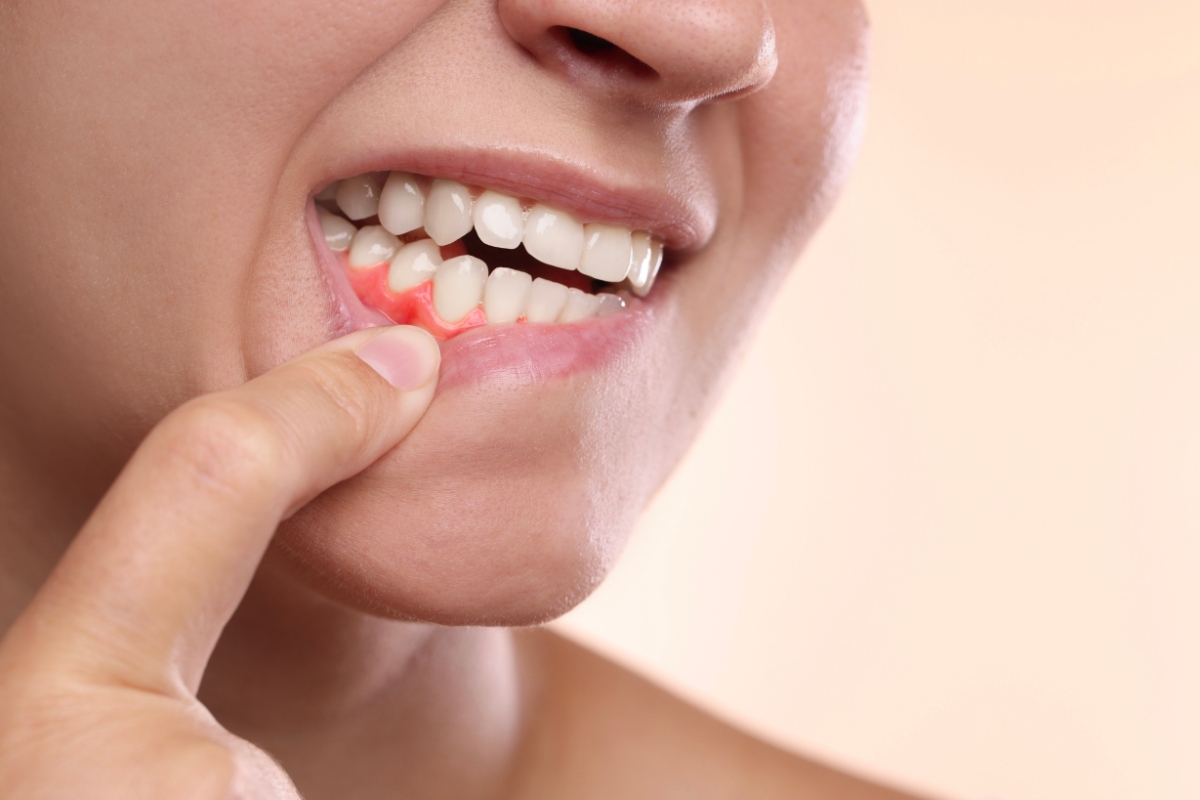
A gum graft is designed to restore tissue in an area affected by gum recession. Depending on the technique, tissue may be taken from the roof of the mouth or repositioned from an adjacent area and secured around the affected tooth. The goal is to provide a stable area of gum tissue and, when appropriate, cover an exposed root.
If you’re experiencing gum recession and wondering whether treatment may be appropriate, understanding the signs you may need gum grafting can help you recognize when it may be time to discuss your symptoms with a periodontist.
Because the procedure involves healing tissue, recovery doesn’t happen overnight. Think of it as a gradual process rather than a single milestone.
Here’s a general week-by-week overview.
Week 1: Protecting the Graft
The first week is usually the period when protecting the surgical site is most important.
You may experience:
- Mild to moderate soreness
- Swelling around the treated area
- Sensitivity
- Minor bleeding or oozing
- A feeling of tightness around the gums
- Temporary changes in how the area looks
These symptoms can vary considerably from patient to patient.
Eating During the First Week
Your periodontist will provide specific dietary instructions based on your procedure. In general, softer foods can be easier to manage while the surgical area is healing.
Avoid foods that are:
- Hard or crunchy
- Sharp or abrasive
- Extremely hot
- Difficult to chew
- Likely to disturb the graft
It is also important to avoid chewing directly on the surgical site unless your periodontist tells you otherwise.
Oral Hygiene During Week 1
Keeping your mouth clean remains important, but the grafted area needs to be treated gently.
Your periodontist may recommend temporarily modifying brushing, flossing, or rinsing around the surgical site. Follow the instructions provided by your treatment team rather than trying to clean the graft aggressively.
The goal is to maintain good oral hygiene without physically disturbing healing tissue.
Week 2: Early Healing and Getting Back to Normal
By the second week, many patients are moving beyond the most noticeable part of the initial recovery period.
Tenderness and swelling may be decreasing, and everyday activities can become easier. However, the graft is still healing beneath the surface.
This is an important point: feeling better does not necessarily mean the graft is completely healed.
Continue following your periodontist’s instructions regarding brushing, eating, exercise, and care of the treated area.
Madison Avenue Periodontics notes that initial healing generally occurs within one to two weeks, while complete tissue integration and maturation can take longer.
Weeks 3-4: Continued Tissue Healing
At this stage, the area may feel considerably more comfortable, but healing is still underway.
The appearance of the gum tissue can also change as it matures. Patients sometimes become concerned if the area looks different from the surrounding gums during the early stages of healing.
Try not to judge the final result too soon.
Your periodontist may evaluate the graft during follow-up visits and let you know when you can return fully to your normal oral-care routine.
One to Several Months: Maturation of the Graft
Although the initial recovery period may be relatively short, the healing process doesn’t necessarily end after two weeks.
The grafted tissue can continue to integrate, strengthen, and mature over the following months. This is why follow-up care remains important even if you feel completely comfortable.
The exact timeline depends on factors such as:
- The type of graft performed
- The number of teeth treated
- The location and extent of recession
- Your oral health
- Your body’s healing response
- How closely post-operative instructions are followed
There is no single recovery timeline that applies perfectly to every patient.
What Can Affect Gum Graft Recovery Time?
Several factors can influence how smoothly recovery progresses.
Type of Gum Graft
Connective tissue grafts, free gingival grafts, and other techniques involve different approaches to managing gum tissue. Your periodontist determines the most appropriate technique based on your anatomy and treatment needs.
Extent of Gum Recession
Treating a small localized area may involve a different recovery experience than treating multiple areas or more extensive recession.
Oral Hygiene
Following your post-operative instructions carefully can help protect the surgical site while it heals.
Smoking and Other Habits
Certain habits can interfere with normal healing. If you smoke or use tobacco products, discuss this with your periodontist before treatment so you understand how it may affect your recovery.
Overall Oral Health
Existing gum disease, inflammation, or other oral-health concerns may affect treatment planning and healing. A periodontal evaluation can help identify these issues before treatment.
How Can You Support a Smooth Gum Graft Recovery?
Following your periodontist’s instructions is the most important step. You can also make recovery easier by:
- Protecting the surgical site from unnecessary pressure or trauma.
- Eating appropriate soft foods during the early healing period.
- Avoiding hard or crunchy foods that could irritate the area.
- Taking medications exactly as directed, if medications are prescribed.
- Maintaining oral hygiene according to your post-op instructions.
- Keeping scheduled follow-up appointments.
- Contacting your dental team if something seems unusual or concerning.
Resist the temptation to speed up recovery by changing your care routine without professional guidance.
When Should You Contact Your Periodontist?
Some discomfort, swelling, and sensitivity can be expected after gum graft surgery. However, you should contact your dental professional if you experience symptoms that concern you or seem to be getting worse rather than better.
Examples may include:
- Persistent or excessive bleeding
- Severe or increasing pain
- Significant swelling
- Fever
- Signs of infection
- Problems involving the graft or surgical site
Your periodontist can determine whether what you’re experiencing is part of normal healing or requires additional attention.
Is Gum Graft Recovery Painful?
The procedure itself is performed with anesthesia to keep you comfortable. Afterward, some soreness or sensitivity is possible, particularly during the early recovery period. Madison Avenue Periodontics notes that mild soreness or sensitivity after gum grafting is common and is generally temporary.
The amount of discomfort varies from person to person. Following your post-operative instructions and taking any recommended medication as directed can help make recovery more manageable.
Can You Work After a Gum Graft?
This depends on your procedure, occupation, and how you feel afterward.
Someone with a desk-based job may feel comfortable returning to work relatively soon, while a physically demanding job may require more planning. Your periodontist can give you individualized guidance based on the procedure performed.
If you’re planning surgery, it’s wise to avoid scheduling important events immediately after treatment whenever possible.
Frequently Asked Questions
How long does a gum graft take to heal?
Initial healing generally takes around one to two weeks, but complete tissue integration and maturation may continue for several weeks or months. Recovery varies depending on the procedure and individual healing response.
When can I eat normally after a gum graft?
Your diet should be based on your periodontist’s instructions. Soft foods are generally easier to manage during the early healing period, while hard, crunchy, or irritating foods may need to be avoided until the surgical site has sufficiently healed.
How long should I avoid brushing the graft?
Don’t assume that immediately brushing the graft is safe. Your periodontist will tell you when and how to clean the treated area. Following those instructions is important because aggressive brushing can disturb healing tissue.
Why does my gum graft look different while it heals?
Healing tissue can change in appearance as it recovers and matures. Early appearance is not necessarily an indication of the final result. If you’re concerned about how your graft looks, bring it up during your follow-up appointment.
When should I schedule a follow-up after gum graft surgery?
Your periodontist will establish an appropriate follow-up schedule based on your procedure. These visits allow the surgical area to be evaluated and your care instructions to be adjusted if necessary.
A Successful Recovery Starts With the Right Guidance
Gum graft recovery is usually a gradual process. The first week is focused heavily on protecting the surgical site, the second week often brings noticeable improvement, and the following weeks and months allow the tissue to continue integrating and maturing.
The most important thing is not to compare your healing process too closely with someone else’s. Your procedure, oral health, anatomy, and healing response are unique.
If you’re experiencing gum recession or have been advised to consider grafting, a consultation with a periodontist can help you understand your treatment options and what recovery may look like in your particular case.
For patients in Manhattan and throughout New York City, Madison Avenue Periodontics provides periodontal care with an emphasis on patient education, comfort, and individualized treatment planning. The practice’s gum-grafting service addresses receding gum tissue and exposed roots using grafting techniques selected according to the patient’s needs.
You can also see what patients are saying on Google before scheduling your consultation.