501 Madison Ave 22nd Floor, New York, NY 10022

10 Signs You May Need Gum Grafting Treatment

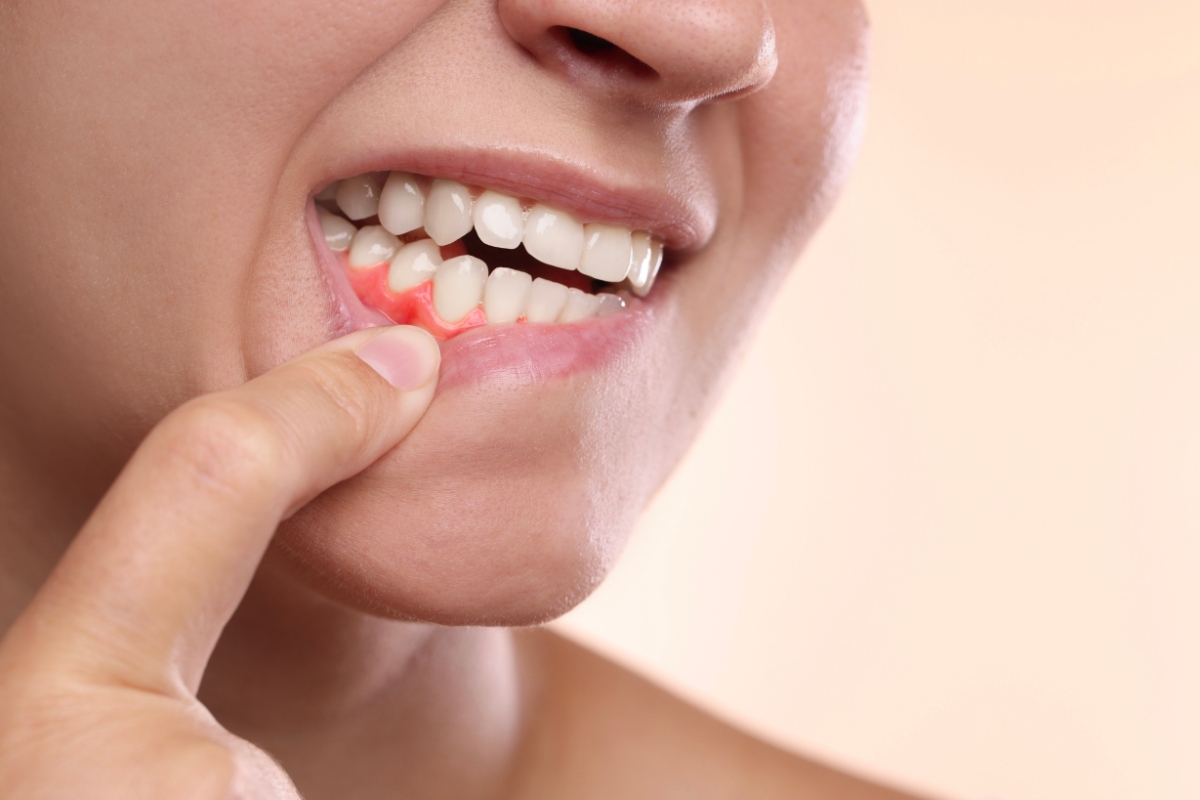
Healthy gums do more than support your smile; they protect your teeth from bacteria, sensitivity, and long-term damage. If you’ve noticed your teeth looking longer or feeling more sensitive than usual, these could be early signs you need gum grafting. While gum recession often develops gradually, recognizing the warning signs early can help prevent more serious dental problems.
Whether you’re researching treatment options in Corsicana or simply want to understand your symptoms, this guide explains what gum grafting is, when it’s recommended, and how it can help restore your oral health. If you’re considering gum grafting treatment in New York, knowing the signs can help you seek care before the condition worsens.
Quick Answer
The most common signs you need gum grafting include receding gums, tooth sensitivity, exposed tooth roots, longer-looking teeth, gum inflammation, loose teeth, and discomfort while brushing. Gum grafting helps restore lost gum tissue, protect exposed roots, reduce sensitivity, and improve both oral health and the appearance of your smile.
What Is Gum Grafting?
Gum grafting is a periodontal procedure that replaces gum tissue lost due to recession. The treatment covers exposed tooth roots, protects teeth from further damage, reduces sensitivity, and improves the appearance of your smile.
Depending on your needs, your periodontist may use your own tissue or donor tissue to rebuild healthy gum coverage.
Common causes of gum recession include:
- Gum disease
- Aggressive brushing
- Genetics
- Teeth grinding or clenching
- Tobacco use
- Poor oral hygiene
- Misaligned teeth
Without treatment, gum recession can continue to progress and eventually threaten the stability of your teeth.
10 Signs You Need Gum Grafting
1. Your Teeth Look Longer Than Before
One of the earliest signs of gum recession is when your teeth appear longer. This happens because the gum tissue gradually pulls away from the tooth.
If you’ve noticed this change in the mirror, it’s worth scheduling a periodontal evaluation.
2. Tooth Sensitivity to Hot or Cold
When gums recede, the tooth root becomes exposed. Unlike enamel, root surfaces are much more sensitive.
You may notice discomfort when drinking:
- Hot coffee
- Ice water
- Cold desserts
- Sweet beverages
Persistent sensitivity should never be ignored.
3. Exposed Tooth Roots
Healthy gums normally cover the roots of your teeth.
If you can see yellowish root surfaces near the gumline, you may need gum grafting to protect these vulnerable areas from decay and wear.
4. Your Gums Continue to Pull Back
Minor recession can worsen over time if the underlying cause isn’t treated.
Watch for:
- Uneven gumlines
- Visible gaps near the teeth
- Increasing root exposure
- Changes in smile appearance
The earlier gum recession is treated, the more tissue can often be preserved.
5. Bleeding or Inflamed Gums
Bleeding while brushing or flossing isn’t considered normal. Inflamed gums may indicate periodontal disease, one of the leading causes of gum recession. Learning how a periodontist treats gum disease can help you understand why early treatment is so important in preventing further gum recession and protecting your smile.
6. Pain While Brushing
If brushing has become uncomfortable, exposed roots could be the reason.
Many people avoid brushing sensitive areas, but this allows plaque and bacteria to build up, increasing the risk of further gum damage.
7. Loose Teeth
As gum disease progresses, the supporting tissues around the teeth weaken.
Although loose teeth don’t always require gum grafting alone, rebuilding healthy gum tissue may be part of a comprehensive periodontal treatment plan.
8. Small Notches Near the Gumline
You may notice grooves or worn areas where the tooth meets the gum.
These notches often develop because exposed roots are softer than enamel and wear down more easily.
9. Food Frequently Gets Stuck Between Teeth
As gums recede, new spaces can develop around your teeth.
These areas trap food particles more easily, increasing your risk of plaque buildup, bad breath, and gum inflammation.
10. Your Dentist or Periodontist Recommends Treatment
Sometimes gum recession develops without noticeable symptoms.
Routine periodontal examinations allow dental professionals to measure gum recession before it becomes severe. If your provider recommends gum grafting, early treatment can help preserve your natural teeth.
Why Early Treatment Matters
Ignoring gum recession can lead to:
- Increased tooth sensitivity
- Root decay
- Progressive gum loss
- Bone loss
- Higher risk of tooth loss
- Cosmetic concerns
Early intervention often means simpler treatment and better long-term outcomes.
What Happens During Gum Grafting?
Many patients are surprised to learn that gum grafting is a routine outpatient procedure.
Treatment generally includes:
- A thorough periodontal examination.
- Local anesthesia for comfort.
- Placement of healthy graft tissue over exposed roots.
- Careful suturing to support healing.
- Follow-up visits to monitor recovery.
Healing typically progresses over several weeks, with many patients returning to normal daily activities shortly after treatment.
Recovery and Aftercare
Following your periodontist’s instructions is essential for successful healing.
Recovery tips include:
- Eat soft foods for several days.
- Avoid brushing directly over the graft initially.
- Use any prescribed mouth rinse.
- Avoid smoking during healing.
- Attend all follow-up appointments.
- Maintain excellent oral hygiene after recovery.
Good aftercare helps protect your investment in long-term gum health.
Does Gum Grafting Cost a Lot?
The cost varies depending on:
- The number of teeth treated
- Severity of gum recession
- Type of graft used
- Overall treatment complexity
Your dental team can provide a personalized estimate after examining your gums and discussing the most appropriate treatment plan.
Why Choose Madison Avenue Periodontics in New York?
Madison Avenue Periodontics is dedicated to helping patients protect their smiles through advanced periodontal care and personalized treatment planning. Every patient receives a comprehensive evaluation to determine the most appropriate approach for their unique needs.
The practice uses modern diagnostic technology and advanced periodontal techniques to deliver precise, comfortable care. From early gum recession to more complex periodontal concerns, the team focuses on preserving natural teeth whenever possible while educating patients about long-term gum health.
Patients throughout New York appreciate the practice’s commitment to individualized care, clear communication, and evidence-based treatment recommendations designed to support lasting oral health.
See What Local Patients Are Saying
Want to stay informed about helpful dental tips, office announcements, and patient success stories? You can also see our latest Google updates and patient reviews to learn more about our practice and the care we provide.
Frequently Asked Questions
Is gum grafting painful?
Most patients experience minimal discomfort because the procedure is performed using local anesthesia. Mild soreness afterward is common and can usually be managed with recommended medications and proper aftercare.
How do I know if I need gum grafting?
If you have receding gums, exposed tooth roots, sensitivity, or teeth that appear longer than before, you may benefit from an evaluation by a periodontist. A professional examination is the best way to determine whether treatment is appropriate.
Can gum recession grow back naturally?
No. Once gum tissue has receded significantly, it generally does not regenerate on its own. Gum grafting helps restore lost tissue and protect exposed tooth roots from further damage.
How long does gum graft healing take?
Initial healing often occurs within one to two weeks, while complete tissue integration may take several weeks. Following your periodontist’s aftercare instructions helps support a smooth recovery.
Can gum grafting improve my smile?
Yes. In addition to protecting exposed roots, gum grafting can create a more balanced gumline and improve the overall appearance of your smile while reducing tooth sensitivity.
Conclusion
Recognizing the early signs you need gum grafting can help prevent worsening gum recession, tooth sensitivity, and long-term periodontal damage. If you’ve noticed receding gums, exposed roots, or other warning signs, scheduling an evaluation sooner rather than later can make a meaningful difference in protecting your oral health.
Madison Avenue Periodontics provides personalized periodontal care using advanced techniques tailored to each patient’s needs. If you’re concerned about gum recession or want to learn whether gum grafting is right for you, schedule a consultation today and take the next step toward a healthier smile.
Call Madison Avenue Periodontics at +1 2127551144 to schedule your appointment and receive a comprehensive periodontal evaluation.