501 Madison Ave 22nd Floor, New York, NY 10022

7 Benefits of Gum Grafting for Long-Term Oral Health

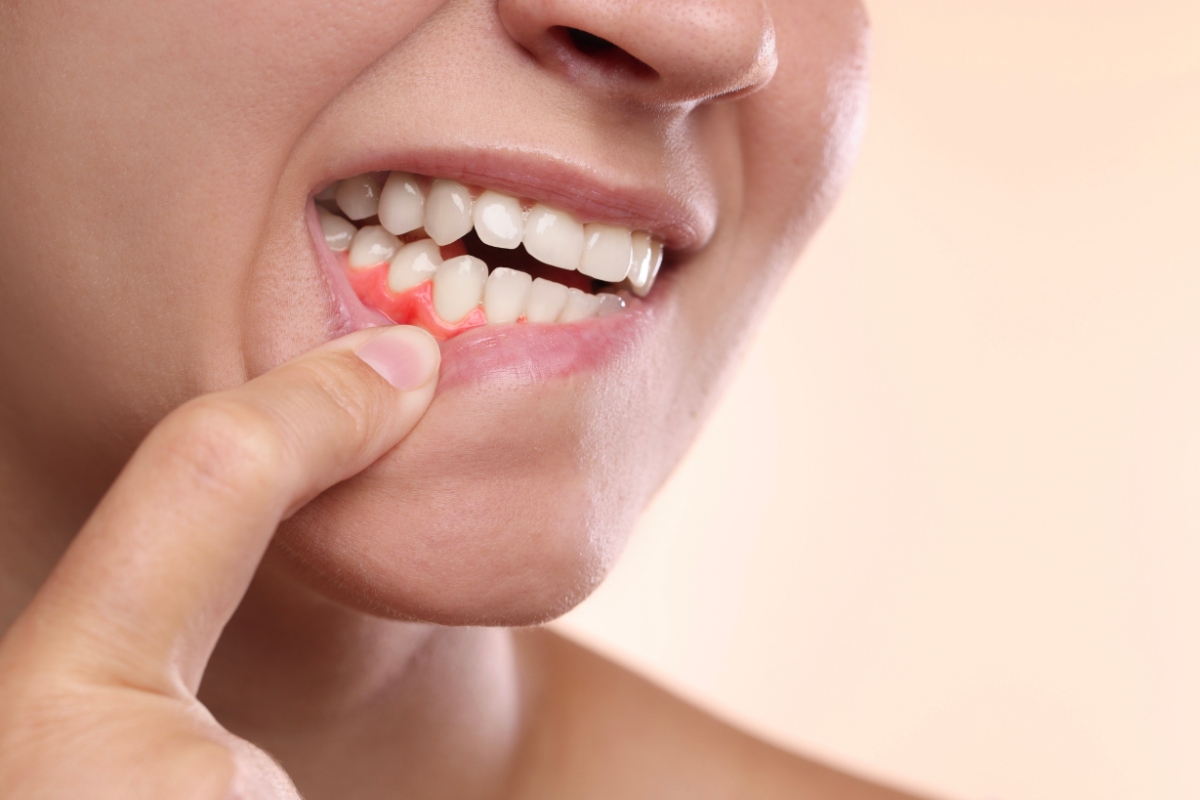
Gum recession can be easy to overlook at first. You may notice that a tooth looks slightly longer than it used to, or perhaps you experience a sharp sensation when drinking something cold. In other cases, the change is gradual and only becomes noticeable during a dental examination.
When gum tissue recedes, more of the tooth root can become exposed. Because roots do not have the same protective enamel covering as the visible crown of a tooth, recession can contribute to sensitivity and other oral health concerns. In appropriate cases, gum grafting surgery in New York can restore or reinforce gum tissue around affected teeth and help protect exposed root surfaces.
But what exactly can gum grafting accomplish? Here are seven potential benefits to understand if you have been diagnosed with gum recession.
Quick Answer
The benefits of gum grafting can include protecting exposed tooth roots, helping reduce sensitivity, reinforcing areas with inadequate gum tissue, improving the appearance of the gumline, and supporting healthier tissue around affected teeth. It may also help address progressive gum recession in appropriate cases. Treatment is not necessary for every instance of recession, so a periodontist should evaluate the cause and severity before recommending a procedure.
1. Helps Protect Exposed Tooth Roots
One of the primary purposes of gum grafting is to address areas where recession has exposed part of a tooth root.
Unlike the crown of the tooth, the root is not covered by enamel. When it becomes exposed, it may be more vulnerable to sensitivity and other problems. A graft can add tissue to the affected area and, depending on the technique and individual circumstances, may cover some of the exposed root.
The goal is not simply to change how the gumline looks. Restoring adequate tissue can provide additional protection around the tooth.
2. May Reduce Tooth Sensitivity
Do you feel a sharp twinge when drinking iced water or eating hot foods?
Exposed tooth roots can contribute to temperature sensitivity. If gum recession is the underlying reason for the exposed root, treating the recession may help address one of the contributing factors.
However, tooth sensitivity can have many causes, including cavities, worn enamel, cracked teeth, or other dental conditions. Gum grafting is therefore not a universal treatment for sensitivity. Your periodontist needs to determine what is causing the problem before recommending treatment.
3. Helps Reinforce Thin or Insufficient Gum Tissue
Not all gum recession looks dramatic. Some patients have naturally thin gum tissue or areas where there is not enough attached gingiva to provide the desired protection around a tooth.
A gum graft can add tissue to a selected area, creating a more substantial band of gum tissue around the tooth.
This can be particularly relevant when a periodontist is concerned about the stability or protection of the gumline. The appropriate grafting approach depends on factors such as the location of the recession, available tissue, and the patient’s individual anatomy.
4. Can Improve the Appearance of the Gumline
Receding gums can change the proportions of a smile. As the gumline moves downward, a tooth may appear longer than neighboring teeth.
For patients concerned about the appearance of recession, gum grafting may help create a more balanced gumline. In suitable cases, grafting can cover part of an exposed root and restore a more natural-looking contour.
Of course, cosmetic improvement is only one consideration. A periodontist should first evaluate the health of the gums and the reason the recession developed.
5. Supports Long-Term Periodontal Health
Healthy gum tissue plays an important role in protecting the structures around your teeth.
When recession is significant, the protective tissue around a tooth may be compromised. Depending on the underlying cause and severity, a periodontist may recommend grafting to reinforce the area and create a healthier environment around the tooth.
It is important to understand that gum grafting does not replace treatment for active periodontal disease. If gum disease is contributing to recession, controlling the underlying disease is an important part of protecting your periodontal health.
6. May Help Address Progressive Gum Recession
Gum recession does not necessarily continue to worsen in every patient. Some mild cases may simply require changes to oral hygiene habits and regular monitoring.
However, when recession is progressing or the affected area has inadequate tissue, additional treatment may be appropriate.
A professional evaluation can help determine whether the recession should be monitored or whether a procedure such as gum grafting should be considered. If you have noticed changes in your gumline, sensitivity, or exposed roots, discussing your symptoms with a periodontist can provide a clearer answer.
7. Can Help Preserve a Healthier Gumline Around the Tooth
The long-term goal of gum grafting is not simply to make the gums look better immediately after treatment. It is to create healthier, more stable tissue in an area affected by recession.
Depending on the patient’s condition and the grafting technique selected, tissue may be taken from the roof of the mouth or repositioned from an adjacent area. Madison Avenue Periodontics explains that different grafting techniques may be considered based on the location and extent of gum recession.
Your periodontist can explain which approach is appropriate for your particular anatomy and treatment goals.
When Should You Consider a Gum Graft?
Not everyone with receding gums needs surgery.
You may want to schedule a periodontal evaluation if you notice:
- Increasing tooth sensitivity
- Teeth appearing longer than before
- Visible exposed tooth roots
- Changes in the shape of your gumline
- Thin or fragile gum tissue
- Recession that appears to be progressing
- Concerns about protecting a tooth affected by recession
The cause also matters. Gum recession may be associated with periodontal disease, aggressive brushing, tooth position, orthodontic treatment, genetics, or other factors. Treating the underlying cause is an important part of developing an appropriate plan.
What Happens During Gum Grafting?
Gum grafting is a periodontal procedure performed to add or reposition tissue in an area affected by recession.
Depending on the technique, tissue may be obtained from the roof of the mouth or moved from nearby gum tissue. The graft is then positioned around the affected tooth and secured so that it can heal.
The procedure is generally performed with local anesthesia. Some soreness, swelling, or sensitivity can occur during recovery. Initial healing may take roughly one to two weeks, while the grafted tissue can continue to mature for longer. Individual recovery varies according to the procedure and the patient’s circumstances.
If you are researching treatment because you have noticed changes in your gums, it can also be helpful to understand the signs you may need gum grafting treatment before scheduling an evaluation.
Is Gum Grafting the Right Treatment for Everyone?
No. The appropriate treatment depends on the cause, location, and severity of gum recession as well as the condition of the surrounding teeth and tissues.
For example, someone with mild recession may only need improved brushing technique and routine monitoring. Another patient with significant recession and exposed roots may benefit from a grafting procedure.
A periodontist can examine your gums, evaluate the recession, and discuss whether gum grafting or another approach is appropriate.
Frequently Asked Questions
Is gum grafting worth it?
For patients who are appropriate candidates, gum grafting can help address gum recession, protect exposed roots, reduce contributing factors to sensitivity, and reinforce areas with insufficient gum tissue. Whether the procedure is worthwhile depends on the individual’s periodontal condition and treatment goals.
Does gum grafting permanently fix receding gums?
Gum grafting can provide added tissue and address an area affected by recession, but long-term gum health also depends on controlling the factors that contributed to the recession. Good oral hygiene, appropriate brushing technique, periodontal care, and regular dental visits remain important.
How long does gum grafting take to heal?
Initial healing commonly takes about one to two weeks, although the grafted tissue may continue to mature over subsequent weeks or months. Your periodontist will provide specific instructions based on the procedure performed.
Is gum grafting painful?
The procedure is performed with anesthesia to keep you comfortable. Some tenderness, swelling, or sensitivity may occur during recovery. Your periodontist will provide postoperative instructions to help you manage the healing period.
Can gum recession be treated without a gum graft?
Sometimes. Mild recession may be monitored or managed by addressing contributing factors such as aggressive brushing or periodontal disease. Other cases may require surgical treatment. A professional examination is the best way to determine which approach is appropriate.
Protect Your Gum Health in New York
The benefits of gum grafting go beyond improving the appearance of a receding gumline. For appropriate patients, treatment can help protect exposed tooth roots, reinforce vulnerable areas, address sensitivity related to recession, and support healthier gum tissue around affected teeth.
If you have noticed receding gums or exposed roots, you do not necessarily need a gum graft but you should not have to guess whether treatment is appropriate.
Madison Avenue Periodontics provides specialized periodontal care in New York City, including gum grafting and other treatments for gum and supporting-tissue conditions. A consultation can help you understand what is causing your recession and whether gum grafting is appropriate for your individual needs.
To learn more about treatment options, contact Madison Avenue Periodontics at its Manhattan office to schedule a periodontal evaluation.