501 Madison Ave 22nd Floor, New York, NY 10022

10 Signs You May Need a Dental Bone Graft

Have you been told that you may not have enough bone to support a dental implant? Or have you lost a tooth and noticed changes in your bite, smile, or jaw over time? Understanding the signs you need a bone graft can help you seek the right care before bone loss creates additional challenges.
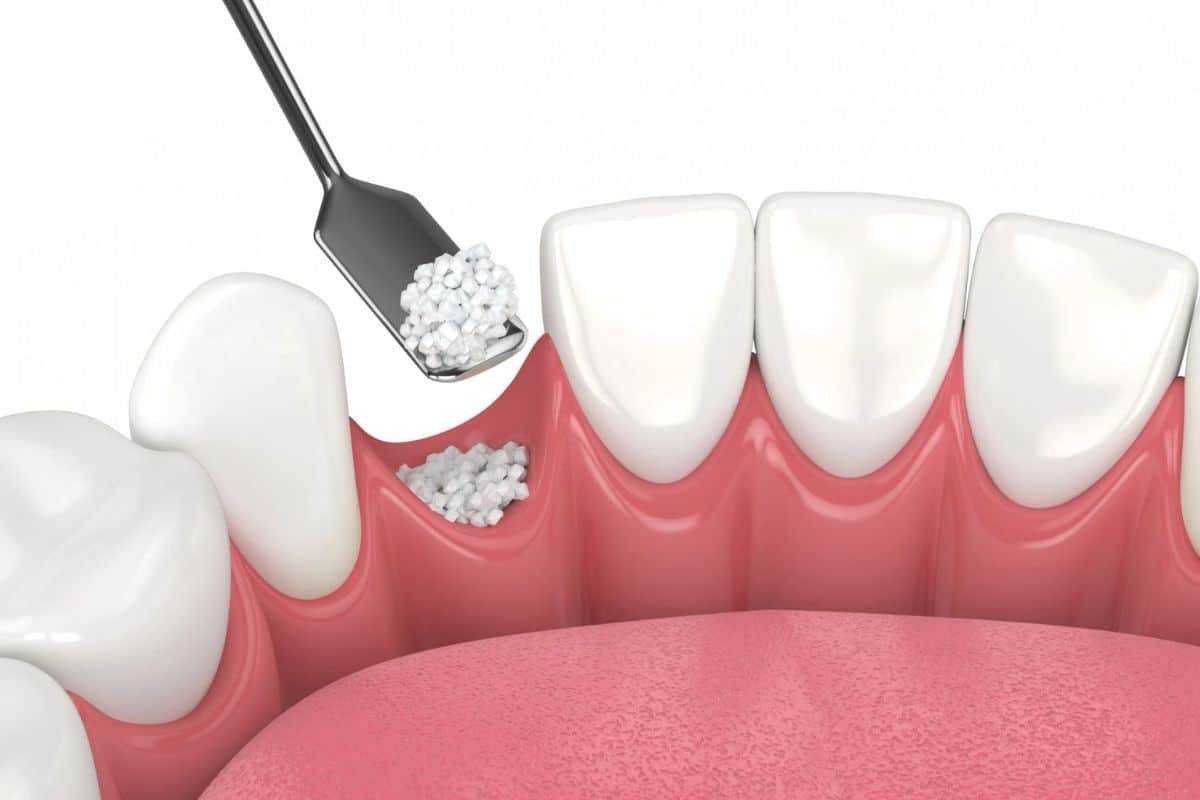
A dental bone graft may be recommended when the jawbone has become too thin, weak, or damaged to properly support a dental implant or surrounding teeth. Bone loss can occur for several reasons, including tooth loss, periodontal disease, trauma, or long-term changes after an extraction.
For patients in New York, an evaluation with a periodontist can help determine whether bone grafting is appropriate for your individual situation. Madison Avenue Periodontics provides specialized periodontal and implant care in Manhattan, including procedures designed to rebuild areas of lost jawbone.
Quick Answer
The most common signs you need a bone graft include insufficient jawbone for a dental implant, significant bone loss after tooth loss, advanced periodontal disease, a sunken ridge after extraction, or changes caused by trauma. Only a dental examination and appropriate imaging can determine whether grafting is actually necessary.
10 Signs You May Need a Bone Graft
1. You Have Been Told You Do Not Have Enough Bone for an Implant
One of the clearest reasons for a bone graft is inadequate bone volume at a planned implant site. Dental implants need sufficient healthy jawbone for stability and long-term support.
If your dentist or periodontist says your bone is too narrow, short, or soft for an implant, grafting may help rebuild the area before implant placement.
2. You Lost a Tooth Several Months or Years Ago
After a tooth is removed, the surrounding jawbone no longer receives the same stimulation from chewing. Over time, the bone can gradually shrink.
This process, called bone resorption, may leave less bone available for a future dental implant. A graft can sometimes rebuild the ridge and create a stronger foundation for tooth replacement.
3. You Have Advanced Periodontal Disease
Periodontal disease does more than affect the gums. In advanced cases, infection can damage the bone that supports your teeth.
Signs such as loose teeth, deep periodontal pockets, gum recession, or a history of significant bone loss may indicate that the supporting structures need specialized evaluation. In selected cases, regenerative treatment may help restore lost bone around affected teeth.
If you want to learn more about how bone grafting supports long-term oral health, understanding the role of bone regeneration can help you make informed decisions about your periodontal care.
4. Your Jaw Ridge Looks or Feels Sunken
A noticeable indentation where a tooth was previously located can be a sign of ridge resorption. You may notice a change when touching the area with your tongue or looking at your gumline.
A ridge that has become narrow or depressed can make future implant placement more difficult. Ridge augmentation may be considered to rebuild the height or width of the jawbone.
5. You Had a Difficult Tooth Extraction
Some extractions can result in more bone loss than expected, particularly when there has been infection, trauma, or significant damage around the tooth.
In certain cases, socket preservation performed at the time of extraction can help maintain the shape of the ridge. If the extraction happened in the past, a periodontist can evaluate whether the remaining bone is adequate for your treatment goals.
6. You Have Experienced Facial or Jaw Trauma
An injury involving the teeth or jaw can damage the bone supporting the teeth. Even after the initial injury heals, there may be a defect or reduced bone volume.
Depending on the location and extent of the damage, reconstructive bone grafting may be considered to restore the area and support future dental treatment.
7. Your Existing Denture Is Becoming Less Stable
Long-term tooth loss can contribute to gradual changes in the jawbone. As the ridge becomes smaller, a denture may feel loose or less comfortable.
Bone grafting is not automatically the right solution for every denture patient, but a specialist evaluation can determine whether bone reconstruction could play a role in a future treatment plan, including implant-supported restoration.
8. You Need a Sinus Lift Before an Upper Back Implant
Patients who have lost upper molars may have limited vertical bone between the mouth and the maxillary sinus. Over time, the sinus can expand into the space previously occupied by tooth roots.
A sinus augmentation, sometimes called a sinus lift, can add bone in this region when appropriate. This may create the vertical bone height needed for implant treatment.
9. Your Teeth Have Become Loose Because of Bone Loss
Loose teeth can be associated with advanced periodontal disease and loss of the bone that normally anchors teeth in place.
A loose tooth does not automatically mean you need a bone graft. However, it is an important reason to seek a periodontal evaluation. Depending on the condition of the tooth and supporting tissues, regenerative treatment may be one part of a broader treatment plan.
10. Your Dentist Has Recommended Bone Reconstruction Before Treatment
Sometimes bone loss is not obvious from symptoms alone. You may feel perfectly comfortable even though imaging shows that the jawbone is too thin or deficient for a planned restoration.
This is why a comprehensive examination matters. Your periodontist may use dental imaging, clinical measurements, and your treatment history to determine whether grafting is needed and which approach is appropriate.
When Should You Schedule a Dental Evaluation?
You do not need to wait until you have pain to have your jawbone evaluated. If you have missing teeth, a history of gum disease, an upcoming dental implant, or concerns about bone loss, an examination can provide useful answers.
For patients seeking bone grafting treatment in New York, Madison Avenue Periodontics offers specialized periodontal care at 501 Madison Ave, 22nd Floor, in New York, NY. The practice provides bone grafting, ridge augmentation, sinus augmentation, and guided bone and tissue regeneration based on individual patient needs.
What Happens During a Bone Graft Evaluation?
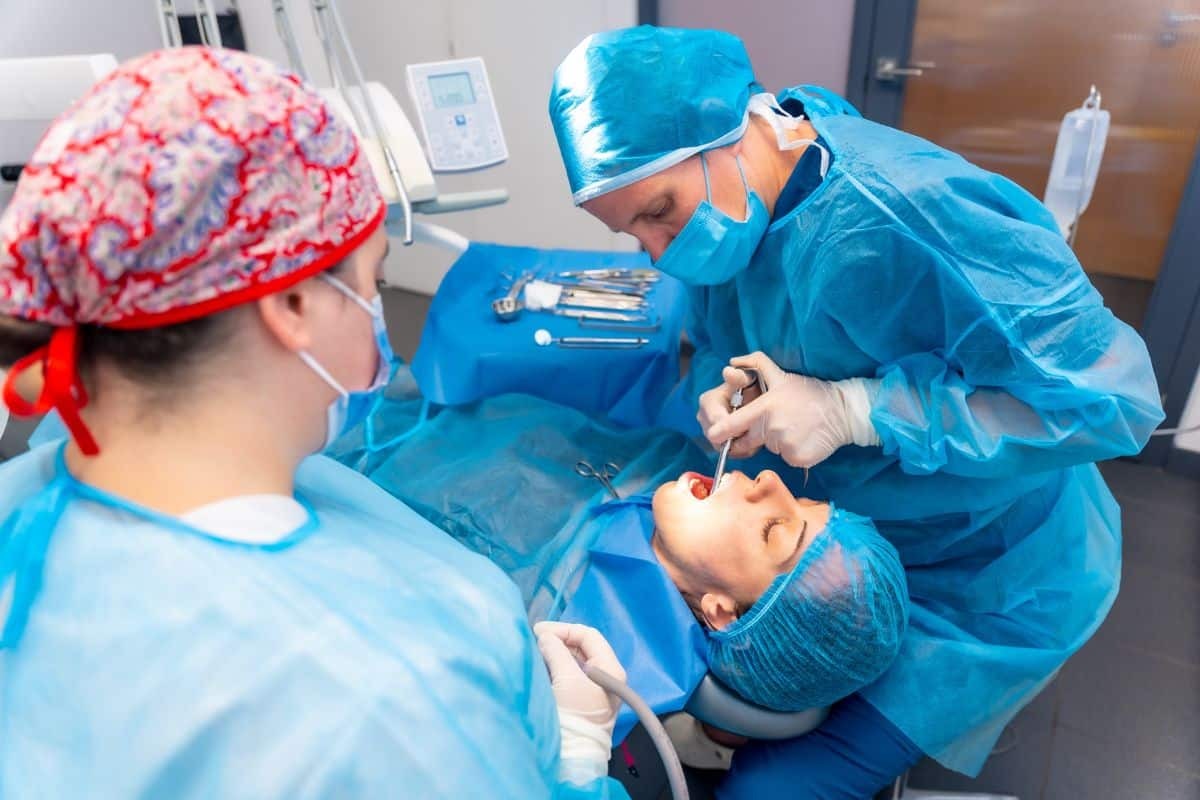
Your periodontist will first review your dental and medical history and examine your gums, teeth, and jaw. Imaging may be used to evaluate the amount and condition of available bone.
The treatment plan depends on factors such as:
- The location and size of the bone defect
- The condition of your gums and remaining teeth
- Whether a dental implant is planned
- Your overall oral health
- The type of graft material appropriate for your situation
Bone graft materials can include your own bone, donor tissue, or synthetic materials. Your periodontist will recommend an option based on your anatomy and treatment goals.
What Is Bone Graft Recovery Like?
Recovery varies from patient to patient and depends on the size and location of the graft. Swelling, tenderness, or mild discomfort can occur during the early healing period.
Your dental team may recommend:
- Following prescribed medication instructions
- Keeping the surgical area clean as directed
- Eating softer foods during the initial recovery period
- Avoiding pressure or trauma to the grafted area
- Attending scheduled follow-up appointments
- Avoiding smoking, which can interfere with healing
Although the gum tissue may appear healed relatively quickly, the underlying bone typically requires several months to mature and integrate.
Are There Risks With Dental Bone Grafting?
As with any surgical procedure, bone grafting has potential risks. These may include infection, bleeding, swelling, discomfort, exposure of graft material, delayed healing, or incomplete integration of the graft.
Your periodontist should explain the potential benefits and risks before treatment. Following postoperative instructions and attending follow-up visits can help support proper healing.
How Much Does a Dental Bone Graft Cost?
The cost of bone grafting varies considerably. The location and size of the graft, type of graft material, complexity of treatment, imaging, and whether additional procedures are needed can all affect the final cost.
Because every case is different, a consultation is the best way to receive an individualized treatment estimate. Insurance coverage may also vary depending on the reason for treatment and your specific dental plan.
Why Choose Madison Avenue Periodontics in New York?
Choosing a specialist can be especially helpful when bone loss is connected to periodontal disease or planned dental implant treatment. Madison Avenue Periodontics focuses on periodontal care and implant dentistry in Manhattan and serves patients throughout New York City.
The practice’s periodontists have advanced training in periodontal treatment, dental implants, and procedures involving the gums and supporting bone. The office also offers computer-guided dental implant treatment and advanced periodontal techniques.
Just as importantly, the practice emphasizes patient education and personalized care. The team takes time to explain procedures, answer questions, and help patients understand their treatment options before moving forward.
See What Local Patients Are Saying
Choosing a dental specialist is a personal decision. Reading feedback from other patients can help you learn more about their experiences with the office, communication, and care.
Want to stay informed about dental tips, office announcements, and patient experiences? Read reviews from local patients and explore recent updates, practice news, and patient experiences on our Google Business Profile.
FAQ
How do I know if I need a bone graft?
You may need a bone graft if you have insufficient jawbone for a dental implant, significant bone loss from periodontal disease, or bone loss following tooth extraction or trauma. However, symptoms alone cannot confirm the need for grafting. A periodontist can evaluate your bone levels and determine whether treatment is appropriate.
Can you get a dental implant without a bone graft?
Sometimes, yes. If you have enough healthy bone to stabilize an implant, grafting may not be necessary. If bone volume is inadequate, however, grafting may be recommended before or during implant treatment. Your treatment plan depends on the location, amount, and quality of your available jawbone.
How long does a dental bone graft take to heal?
Healing time varies based on the size and location of the graft and the patient’s individual health. While the gum tissue may heal sooner, the underlying bone can take several months to mature and integrate. Your periodontist will monitor healing and determine when the site is ready for the next stage of treatment.
Is bone grafting painful?
Bone grafting is performed with local anesthesia, and additional sedation may be discussed when appropriate. Some tenderness, swelling, or discomfort can occur after the procedure. Your dental team will provide postoperative instructions and may recommend medications to help manage discomfort during recovery.
Can gum disease cause bone loss?
Yes. Advanced periodontal disease can damage the bone and other tissues that support the teeth. If left untreated, this may contribute to loose teeth and eventual tooth loss. Treating the underlying periodontal disease is an important part of protecting the remaining bone and supporting structures.
Is bone grafting always needed after a tooth extraction?
No. Whether grafting is recommended depends on your individual anatomy and future treatment plans. Socket preservation may be considered when maintaining the shape and volume of the extraction site is important, particularly when a dental implant may be planned later.
Conclusion
Knowing the signs you need a bone graft can help you recognize when it is time to have your jawbone evaluated. Missing teeth, advanced periodontal disease, previous extractions, trauma, loose teeth, and insufficient bone for an implant are all reasons to discuss your options with a dental specialist.
Bone grafting is not appropriate for everyone, and treatment should always be based on a careful clinical evaluation. If you are concerned about bone loss or have been told you may need grafting before an implant, Madison Avenue Periodontics can help you understand your options.
To schedule a consultation in New York, NY, call +1 2127551144 and discuss your concerns with the Madison Avenue Periodontics team.