501 Madison Ave 22nd Floor, New York, NY 10022

Foods After Bone Graft Surgery: What to Eat for a Smooth Recovery


Recovering from a dental bone graft can feel overwhelming, especially when you’re unsure what foods are safe to eat. Choosing the right foods after bone graft surgery can help reduce discomfort, protect the surgical site, and support healthy bone healing. If you’re preparing for or recovering from bone grafting in New York, understanding your dietary choices is an important part of the healing process.
At Madison Avenue Periodontics in New York, patients often ask what they can safely eat after their procedure. The good news is that a few simple adjustments to your meals can make recovery more comfortable while helping your body heal naturally.
Quick Answer
The best foods after bone graft surgery are soft, nutritious, and easy to chew. Choose foods like yogurt, mashed potatoes, scrambled eggs, smoothies, oatmeal, soup, cottage cheese, and soft fish. Avoid crunchy, spicy, sticky, or extremely hot foods for the first several days to protect the graft and promote healing.
Why Your Diet Matters After a Dental Bone Graft
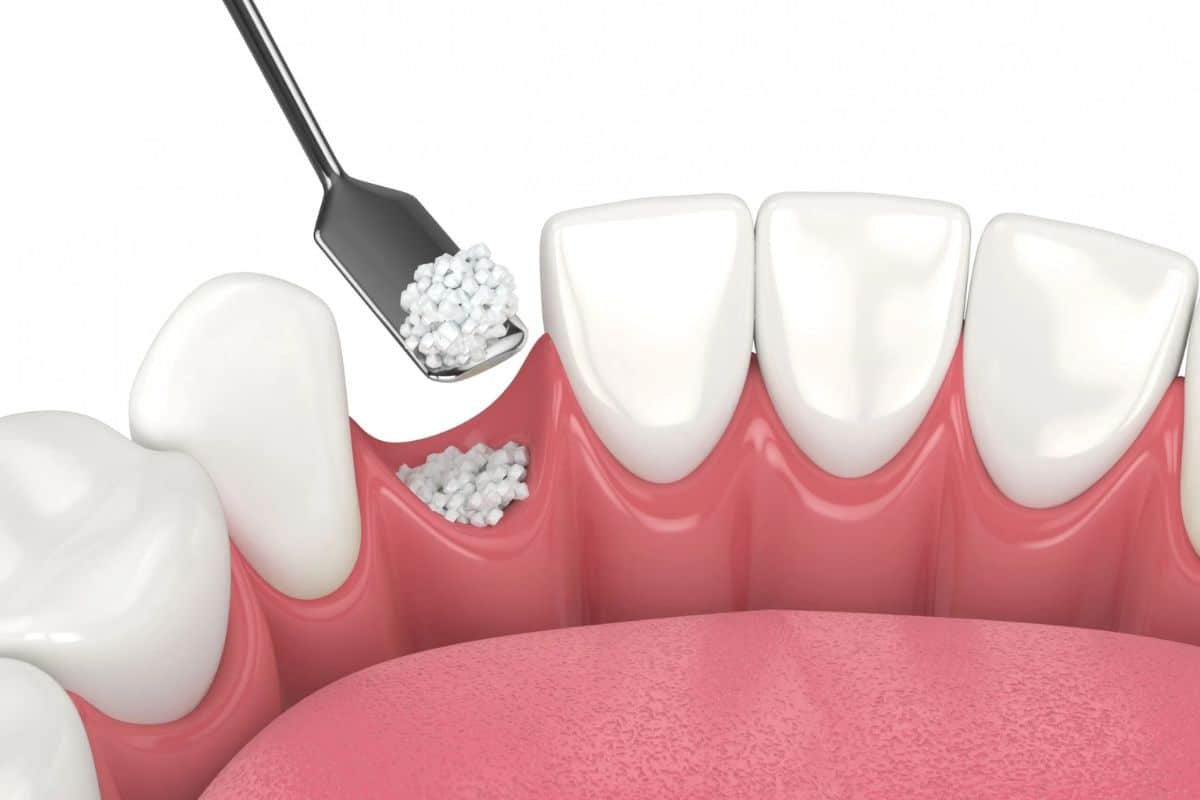
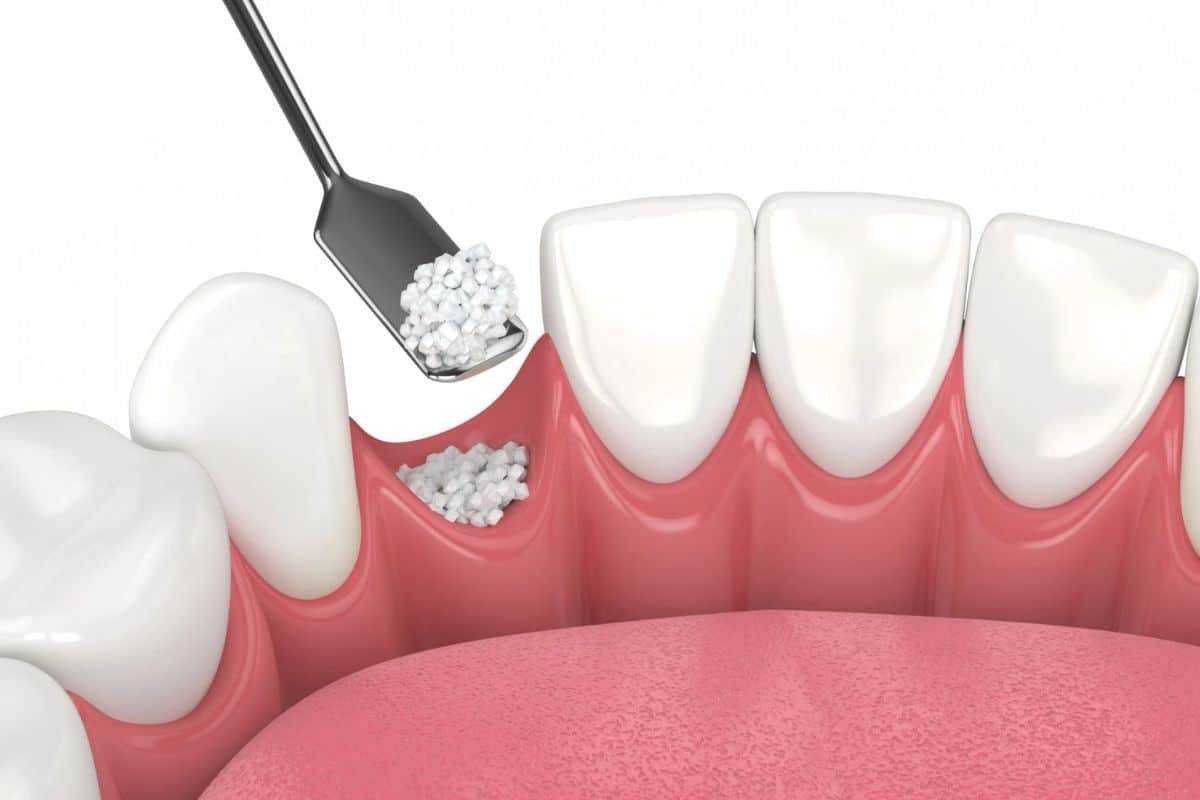
A dental bone graft creates the foundation for future dental treatments, such as dental implants. During recovery, the graft needs time to integrate with your natural bone. Eating the wrong foods can irritate the surgical site or even interfere with healing.
Following your aftercare instructions doesn’t just support short-term recovery, it also helps protect the long-term success of your treatment. Eating nutritious, soft foods gives your body the building blocks it needs for healing, while supporting the lasting benefits explained in our guide on how bone grafting supports long-term oral health.
- Reduce pressure on the grafted area
- Lower the risk of complications
- Support tissue and bone regeneration
- Maintain proper nutrition while chewing is limited
- Make recovery more comfortable
Following your periodontist’s aftercare instructions, along with eating appropriate foods, can significantly improve your healing experience.
Best Foods After Bone Graft Surgery
Soft Dairy Foods
Dairy products are often easy to eat and provide protein and calcium.
Good choices include:
- Plain yogurt
- Cottage cheese
- Ricotta cheese
- Soft pudding
Choose options without crunchy toppings or seeds.
Protein-Rich Foods
Protein plays a key role in tissue repair and bone healing.
Consider eating:
- Scrambled eggs
- Soft tofu
- Tender baked fish
- Shredded chicken (once comfortable)
- Protein smoothies
These foods help your body rebuild healthy tissues after surgery.
Soft Fruits and Vegetables
Fresh produce provides important vitamins that support healing.
Try:
- Mashed bananas
- Applesauce
- Avocados
- Steamed carrots
- Mashed sweet potatoes
- Pumpkin puree
Avoid raw vegetables until your provider says they’re safe.
Comfort Foods That Are Easy to Eat
Many patients find these foods satisfying during recovery:
- Mashed potatoes
- Oatmeal
- Cream of wheat
- Macaroni and cheese
- Soft pasta
- Rice cooked until tender
Keep meals warm rather than hot to avoid irritating the surgical site.
Smooth Soups
Soup is an excellent way to stay hydrated while getting nutrients.
Choose:
- Tomato soup (if not too acidic)
- Chicken noodle with soft noodles
- Cream soups
- Vegetable puree soups
Avoid soups that are served very hot.
Foods to Avoid After Bone Graft Surgery
Certain foods can disrupt healing or damage the graft site.
Avoid:
- Chips
- Popcorn
- Nuts
- Pretzels
- Crackers
- Crusty bread
- Raw vegetables
- Tough meats
- Spicy foods
- Sticky candy
- Chewing gum
It’s also best to avoid drinking through a straw, as suction may interfere with the healing process depending on your provider’s instructions.
How Long Should You Follow a Soft Food Diet?
Recovery varies from patient to patient. Most people follow a soft-food diet for about 5 to 7 days, while some may need longer depending on the size of the graft and individual healing.
Your periodontist may gradually recommend returning to regular foods as:
- Swelling improves
- Tenderness decreases
- The surgical site begins healing normally
- Chewing becomes comfortable
Always follow your provider’s personalized recommendations rather than relying on a general timeline.
Helpful Recovery Tips
In addition to eating the right foods, these habits can help support recovery:
- Stay hydrated by drinking plenty of water.
- Take medications exactly as prescribed.
- Brush carefully while avoiding the surgical area.
- Rest during the first couple of days.
- Avoid smoking and tobacco products.
- Attend all scheduled follow-up visits.
Small steps each day contribute to successful healing.
Signs You Should Contact Your Periodontist
Some discomfort is expected after a bone graft. However, contact your dental office if you notice:
- Heavy bleeding that doesn’t stop
- Severe pain that worsens after several days
- Fever
- Increasing swelling after day three
- Pus or unusual drainage
- A foul taste or odor from the surgical area
Prompt evaluation helps address any potential complications early.
Why Choose Madison Avenue Periodontics in New York?
Choosing an experienced periodontal practice can make your treatment and recovery much smoother.
Madison Avenue Periodontics proudly serves patients throughout New York, NY with personalized periodontal care tailored to each patient’s needs. Their experienced team uses advanced diagnostic technology and modern treatment techniques to perform bone grafting procedures with precision and patient comfort in mind.
From your initial consultation through your recovery, you’ll receive clear aftercare guidance, individualized treatment planning, and compassionate support every step of the way. Whether you’re preparing for dental implants or restoring lost bone, the practice is committed to helping you achieve long-term oral health.
See What Local Patients Are Saying
Want to stay informed about office updates, oral health tips, and real patient experiences? Visit our Google Business Profile to explore recent updates, read patient reviews, and learn why so many people in New York trust Madison Avenue Periodontics for periodontal care.
Frequently Asked Questions
Is it okay to eat eggs after bone graft surgery?
Yes. Scrambled eggs are one of the best foods after bone graft surgery because they’re soft, high in protein, and easy to chew. They also provide nutrients that support tissue healing without putting excessive pressure on the surgical site.
Can I drink coffee after a dental bone graft?
It’s generally recommended to avoid very hot coffee during the first day or two after surgery. Heat may irritate the surgical area. Once your provider approves, you can gradually return to drinking warm coffee in moderation.
When can I eat normally again?
Many patients begin returning to normal foods after about one week, but healing times vary. Your periodontist will examine the graft during follow-up visits and let you know when it’s safe to resume your regular diet.
Are smoothies good after bone graft surgery?
Yes. Smoothies are an excellent choice because they’re easy to consume and can provide protein, vitamins, and healthy calories. Avoid using a straw unless your provider specifically says it’s safe.
What happens if food gets near the bone graft?
Small food particles can sometimes collect near the surgical site. Follow your provider’s cleaning instructions carefully and avoid poking the area. If you’re concerned that food is trapped, contact your dental office for guidance.
Conclusion
Choosing the right foods after bone graft surgery can make your recovery more comfortable while supporting healthy bone healing. Soft, nutritious meals, good hydration, and careful aftercare all contribute to a successful outcome. If you have questions about your recovery or need personalized guidance, the experienced team at Madison Avenue Periodontics is here to help.
Call Madison Avenue Periodontics today at +1 2127551144 to schedule your appointment and receive expert periodontal care in New York, NY.