501 Madison Ave 22nd Floor, New York, NY 10022

How to Care for Full Mouth Dental Implants for Long-Term Success

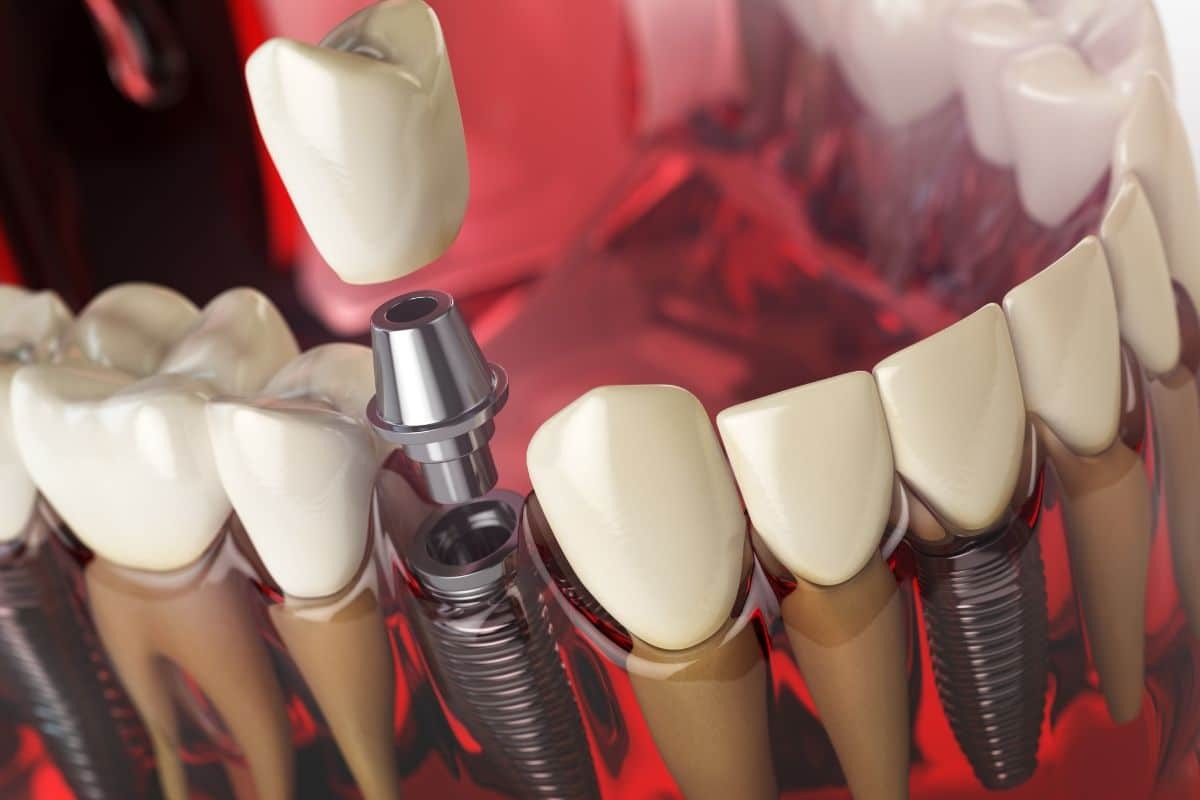
Replacing an entire arch of missing teeth with dental implants is a life-changing investment. However, keeping that investment healthy requires consistent care. Understanding full mouth dental implant maintenance can help you protect your smile, avoid complications, and enjoy lasting comfort and function.
If you live in New York, NY, following a daily care routine and scheduling regular periodontal checkups are essential for maintaining healthy implants. Whether you’ve recently completed treatment or have had implants for years, the right habits can make a significant difference. Patients considering a full mouth implant in New York should also understand that long-term success depends just as much on proper maintenance as on the placement procedure itself.
Quick Answer
Full mouth dental implant maintenance includes brushing twice daily with a soft-bristled toothbrush, cleaning around implants with floss or interdental brushes, using a non-abrasive toothpaste, attending regular professional cleanings, and avoiding tobacco. These habits help prevent peri-implant disease and support long-lasting implant success.
Why Is Full Mouth Dental Implant Maintenance So Important?
Dental implants are designed to be durable, but they still require ongoing care. While implants cannot develop cavities, the surrounding gum tissue and supporting bone remain vulnerable to infection and inflammation.
Without proper maintenance, plaque and bacteria can accumulate around implants, increasing the risk of:
- Peri-implant mucositis
- Peri-implantitis
- Gum inflammation
- Bone loss
- Implant failure
- Bad breath
Daily oral hygiene and routine professional care significantly reduce these risks and help preserve your investment.
Your Daily Implant Care Routine
Creating healthy habits at home is the foundation of long-term implant success.
Brush Twice Every Day
Use a soft-bristled toothbrush or an electric toothbrush designed for sensitive gums.
Remember to:
- Brush gently around implant restorations
- Clean along the gumline
- Reach all surfaces of your prosthetic teeth
- Replace your toothbrush every three months
Choose a non-abrasive toothpaste to avoid scratching implant surfaces.
Clean Between the Implants
Food particles and plaque often collect between implants and under the restoration.
Helpful cleaning tools include:
- Implant-specific floss
- Water flossers
- Interdental brushes
- Soft rubber tip cleaners
Your periodontist can recommend the best tools for your specific restoration.
Use an Antibacterial Mouth Rinse
An alcohol-free antimicrobial rinse may help reduce bacteria and support healthier gums. While mouthwash isn’t a substitute for brushing or flossing, it provides an extra layer of protection.
Foods That Help Protect Your Implants
Although implants restore strong chewing ability, choosing balanced foods supports healthy gums and bone.
Consider eating:
- Fresh vegetables
- Fruits rich in vitamin C
- Dairy products for calcium
- Lean proteins
- Fish containing omega-3 fatty acids
- Plenty of water
For the first few weeks after implant placement, your dentist may recommend softer foods while healing continues.
Habits That Can Shorten Implant Lifespan
Even well-placed implants can experience complications when unhealthy habits are present.
Try to avoid:
- Smoking or tobacco use
- Excessive alcohol consumption
- Chewing ice
- Biting hard objects
- Using teeth to open packages
- Skipping dental appointments
Patients who grind their teeth may also benefit from wearing a custom night guard to protect implant restorations.
When Should You Visit Your Periodontist?
Professional maintenance is just as important as home care.
Most patients benefit from checkups every three to six months, depending on their oral health history.
During your appointment, your provider may:
- Examine gum health
- Measure tissue around implants
- Remove hardened plaque
- Check bite alignment
- Take digital X-rays if needed
- Monitor bone levels
- Evaluate the stability of your restorations
Early detection allows small concerns to be treated before they become more serious.
Whether you’re scheduling your first implant consultation or planning long-term maintenance visits, selecting an experienced specialist is essential. Learn more about finding the right dental implants provider in New York to make an informed decision about your care.
Signs Your Dental Implants Need Professional Attention
Knowing when something isn’t normal helps prevent larger problems.
Contact your dental provider if you notice:
- Bleeding while brushing
- Swollen or tender gums
- Persistent bad breath
- Pain around implants
- Loose restorations
- Difficulty chewing
- Gum recession
- Pus or unusual drainage
Prompt evaluation often prevents more extensive treatment.
Common Mistakes Patients Make
Many implant complications develop because patients assume implants don’t require maintenance.
Avoid these common mistakes:
Skipping Professional Cleanings
Even excellent brushing cannot remove hardened tartar beneath the gums.
Using Abrasive Toothpaste
Highly abrasive whitening products may scratch implant restorations over time.
Ignoring Minor Symptoms
Small amounts of bleeding or tenderness shouldn’t be ignored. Early treatment often leads to better outcomes.
Poor Cleaning Technique
Cleaning too quickly or missing hard-to-reach areas allows plaque to accumulate around implants.
Does Full Mouth Dental Implant Maintenance Cost Much?
Routine maintenance is typically far more affordable than treating advanced implant complications.
Maintenance costs may include:
- Regular periodontal cleanings
- Follow-up examinations
- Digital imaging when necessary
- Night guards for grinding
- Replacement of worn prosthetic components over time
Investing in preventive care helps reduce the likelihood of expensive repairs later.
Why Choose Madison Avenue Periodontics in New York?
Choosing an experienced periodontal team plays a major role in maintaining healthy dental implants.
At Madison Avenue Periodontics, patients throughout New York, NY receive personalized care focused on protecting both their implants and long-term oral health.
Patients appreciate the practice because of its:
- Experienced periodontal specialists
- Individualized maintenance plans
- Advanced diagnostic technology
- Digital imaging and modern treatment techniques
- Comfortable, patient-focused environment
- Convenient Manhattan location
The team emphasizes prevention, early detection, and ongoing education so patients feel confident caring for their implants between visits.
See What Local Patients Are Saying
Want to stay informed about dental tips, office announcements, and patient success stories? Visit our Google Business Profile to explore recent updates and read reviews from patients throughout New York.
Conclusion
Successful full mouth dental implant maintenance doesn’t require complicated routines, it simply requires consistency. Daily brushing, careful cleaning between implants, healthy lifestyle choices, and regular periodontal visits all work together to protect your smile for years to come.
If you’re looking for experienced implant maintenance or want to learn more about protecting your dental implants, contact Madison Avenue Periodontics in New York, NY. Schedule your appointment today by calling +1 2127551144 and let our experienced team help keep your smile healthy, comfortable, and lasting.
Frequently Asked Questions
How often should full mouth dental implants be professionally cleaned?
Most patients should schedule professional maintenance every three to six months. Your periodontist may recommend more frequent visits if you have a history of gum disease or other risk factors that could affect implant health.
Can full mouth dental implants develop cavities?
No. Dental implants themselves cannot develop cavities because they are made from biocompatible materials. However, the surrounding gums and supporting bone can become infected if plaque isn’t removed consistently.
What is peri-implantitis?
Peri-implantitis is an inflammatory condition that affects the tissues surrounding a dental implant. If left untreated, it can lead to bone loss and potentially compromise implant stability. Early diagnosis and treatment are essential.
Is a water flosser good for implant maintenance?
Yes. A water flosser can help remove food particles and bacteria around implants, especially in hard-to-reach areas. It works best when combined with regular brushing and other recommended cleaning tools.
Can smoking affect dental implants?
Yes. Smoking reduces blood flow, slows healing, and increases the risk of implant complications, including peri-implantitis and implant failure. Quitting tobacco significantly improves long-term implant success.