501 Madison Ave 22nd Floor, New York, NY 10022

Are You a Candidate for Full Mouth Dental Implants?

Missing most or all of your teeth can affect far more than your smile. Everyday activities like eating, speaking, and feeling confident in social situations may become difficult. If you’ve been wondering whether you’re a candidate for full mouth dental implants, you’re not alone. Many adults in New York, NY are exploring this long-lasting tooth replacement option to restore both function and confidence.
At Madison Avenue Periodontics, our experienced periodontal team helps patients understand their treatment options through personalized evaluations. If you’re considering full mouth dental implants in New York, knowing what makes someone a good candidate is the first step toward rebuilding a healthy smile.
Quick Answer
A good candidate for full mouth dental implants is someone missing most or all of their teeth who has healthy gums, adequate jawbone support, and is in good overall health. Even if bone loss has occurred, treatments like bone grafting may help make dental implants possible after proper evaluation.
What Are Full Mouth Dental Implants?
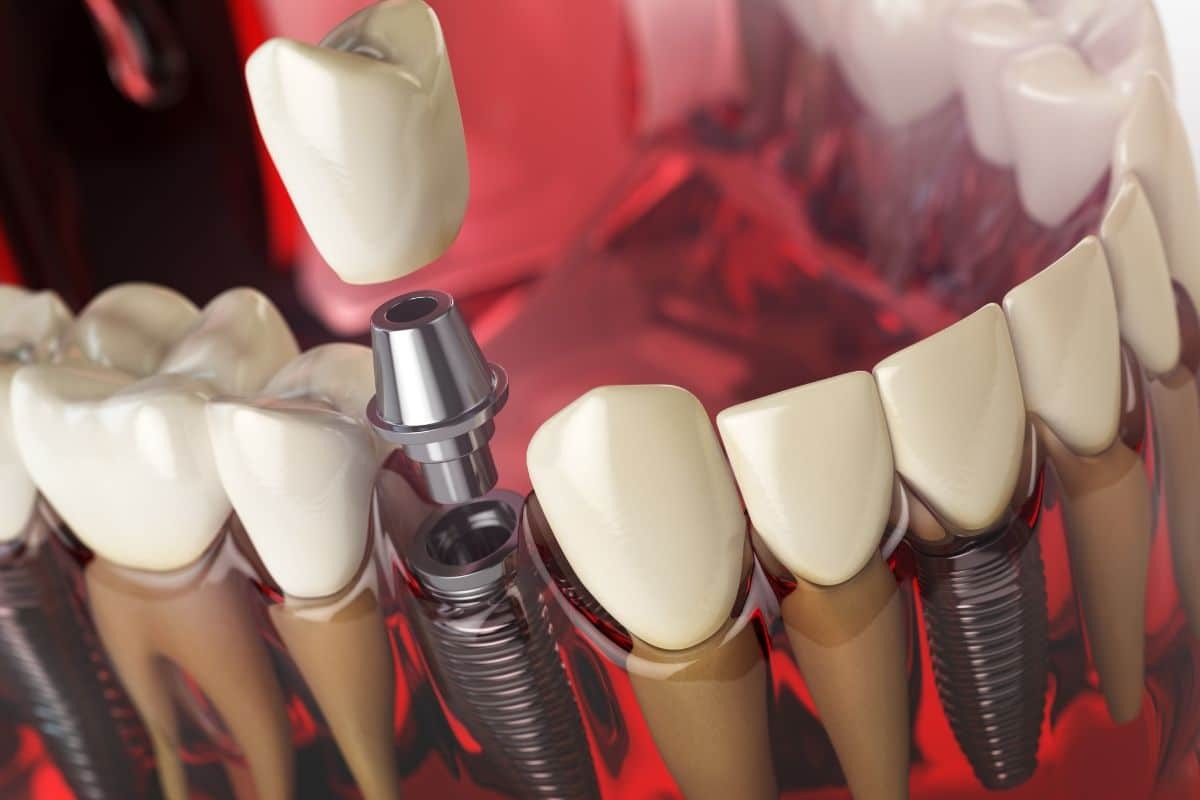
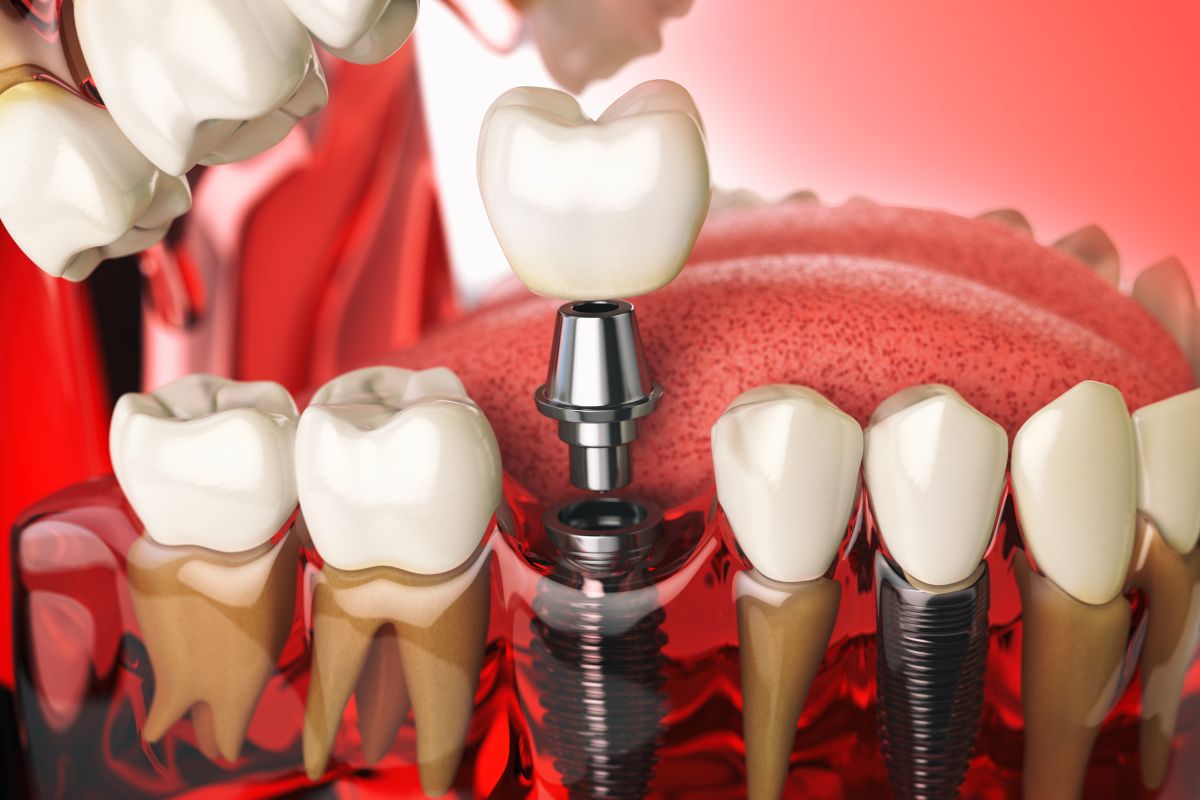
Full mouth dental implants replace an entire upper arch, lower arch, or both using strategically placed dental implants that support a fixed or removable prosthesis.
Unlike traditional dentures, implant-supported restorations are securely anchored to the jawbone, providing greater stability, comfort, and chewing ability.
Many patients choose this treatment because it can:
- Restore natural-looking smiles
- Improve speech clarity
- Allow comfortable eating
- Help preserve jawbone structure
- Reduce movement associated with dentures
- Improve long-term oral function
Who Is a Candidate for Full Mouth Dental Implants?
Not everyone has the exact same dental needs, but many people qualify after a comprehensive examination.
You May Be a Good Candidate If You:
- Are missing most or all of your teeth
- Have several severely damaged teeth that cannot be saved
- Struggle with loose or uncomfortable dentures
- Have healthy gums or are willing to treat gum disease first
- Have enough jawbone to support implants or qualify for bone grafting
- Maintain good oral hygiene
- Are generally in good overall health
Every patient is unique. A detailed consultation, digital imaging, and periodontal evaluation help determine the most appropriate treatment plan.
Factors Your Periodontist Will Evaluate
Choosing full mouth dental implants involves much more than replacing missing teeth. Your periodontist carefully examines several important factors.
Gum Health
Healthy gums provide the foundation for successful implant treatment. If gum disease is present, it usually needs to be treated before implants are placed.
Jawbone Density
Dental implants depend on strong bone for support.
If bone loss has occurred after years of missing teeth, procedures such as bone grafting may improve implant eligibility.
Overall Medical Health
Certain medical conditions don’t automatically prevent implant treatment, but they may influence healing.
Your provider may review:
- Diabetes control
- Heart health
- Autoimmune conditions
- Medications affecting bone healing
- Smoking habits
Oral Hygiene Commitment
Dental implants require consistent brushing, flossing, and professional periodontal maintenance to help protect long-term results.
Can You Still Get Implants If You’ve Been Missing Teeth for Years?
Yes in many cases.
One common misconception is that years of tooth loss automatically eliminate implant options. Although prolonged tooth loss often causes bone shrinkage, modern periodontal procedures may rebuild enough support for implants.
Your evaluation may include recommendations such as:
- Bone grafting
- Sinus augmentation (when appropriate)
- Treatment for periodontal disease
- Tooth extractions before implant placement
An individualized treatment plan helps determine the safest and most predictable approach.
What Is the Treatment Process?
Every patient’s journey differs, but treatment generally follows these steps.
1. Comprehensive Consultation
Your periodontist reviews your health history, performs an examination, and takes digital imaging to assess bone and gum health.
2. Treatment Planning
A customized plan outlines implant placement, any preparatory procedures, healing expectations, and restoration options.
3. Implant Placement
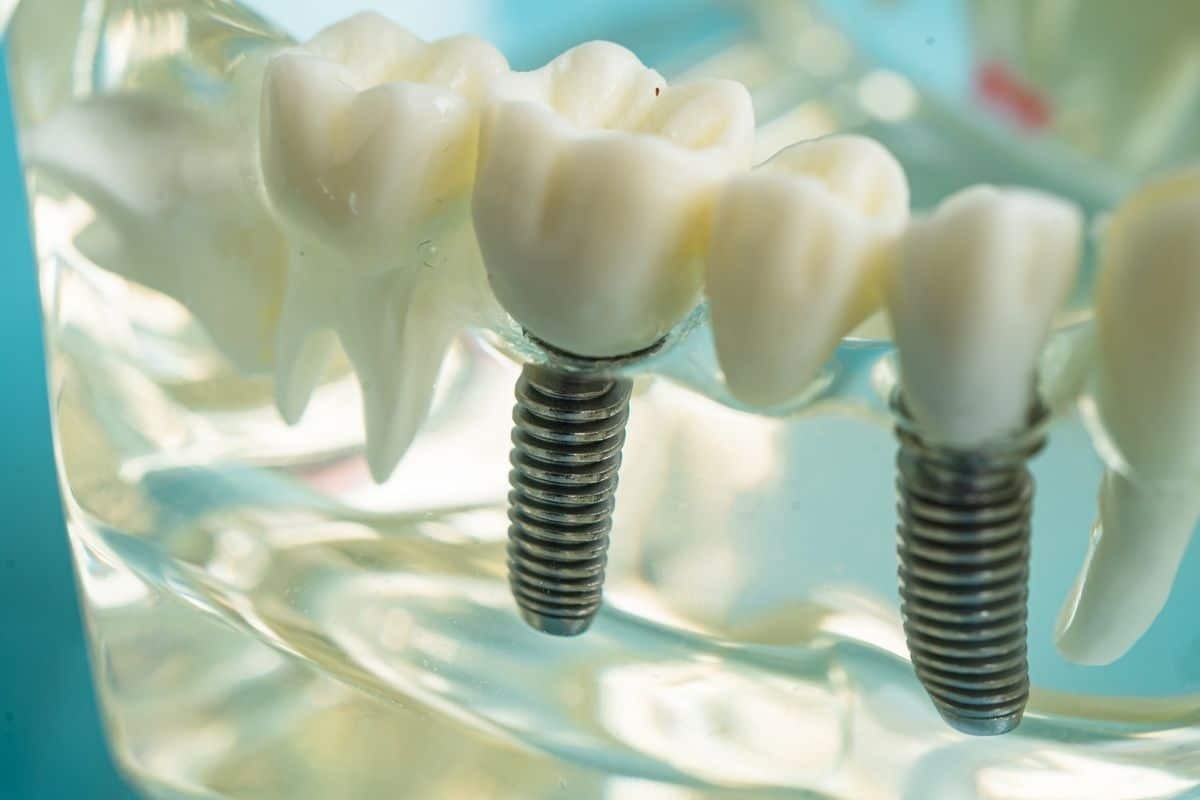
Titanium implants are surgically placed into the jawbone using precise techniques designed for long-term stability.
4. Healing Period
Over several months, the implants naturally fuse with the jawbone through a process called osseointegration.
5. Final Restoration
Once healing is complete, custom-designed teeth are attached, restoring both appearance and function.
Benefits of Full Mouth Dental Implants
Patients often choose full mouth dental implants because they offer advantages beyond aesthetics.
Benefits may include:
- Strong biting and chewing ability
- Natural appearance
- Improved speech
- Better comfort than removable dentures
- Preservation of facial structure
- Long-term durability with proper care
- Increased confidence in everyday life
While every case is different, many patients appreciate the stability and convenience implants provide.
Are There Any Risks?
Like any surgical procedure, dental implant treatment carries potential risks.
Possible considerations include:
- Temporary swelling or discomfort
- Infection during healing
- Delayed bone integration
- Implant failure in rare situations
- Additional procedures if bone support is insufficient
Choosing an experienced periodontal specialist and carefully following post-operative instructions helps reduce these risks.
How Much Do Full Mouth Dental Implants Cost?
The cost varies depending on several factors, including:
- Number of implants required
- Type of restoration
- Need for bone grafting
- Complexity of treatment
- Sedation options
Because every smile is unique, an in-person consultation provides the most accurate treatment estimate. Many dental offices also discuss financing options to help patients plan for care.
Caring for Your Dental Implants
Long-term success depends on daily care and regular professional visits.
Healthy habits include:
- Brushing twice daily
- Cleaning around implants carefully
- Flossing or using implant-safe cleaning tools
- Avoiding tobacco products
- Scheduling regular periodontal maintenance appointments
- Following your dentist’s recommendations
Your recovery period also plays an important role in the long-term success of your implants. Eating the right foods can help minimize discomfort and support healing after surgery. If you’re preparing for treatment, our guide on what to eat after dental implant surgery explains which foods are recommended during each stage of recovery and which foods to avoid.
Why Choose Madison Avenue Periodontics in New York?
Choosing the right periodontal practice is an important part of your treatment journey.
At Madison Avenue Periodontics, patients receive individualized care designed around their specific oral health needs. Located conveniently in New York, NY, our team combines advanced periodontal expertise with modern diagnostic technology to create personalized treatment plans.
Patients appreciate our:
- Experienced periodontal specialists
- Comprehensive implant evaluations
- Advanced digital imaging and surgical planning
- Personalized treatment recommendations
- Comfortable, patient-focused environment
- Commitment to long-term oral health
Whether you’re replacing several missing teeth or exploring a complete smile restoration, our team is here to help you understand every available option.
See What Local Patients Are Saying
Want to stay informed about dental care tips, practice news, and patient experiences? Visit our Google Business Profile to explore recent updates, office announcements, and feedback from patients throughout New York who have trusted Madison Avenue Periodontics with their periodontal and implant care.
Frequently Asked Questions
Is age a factor in qualifying for full mouth dental implants?
Age alone usually isn’t the deciding factor. Overall health, gum condition, and jawbone quality are generally more important than age. Many older adults successfully receive dental implants after a thorough evaluation.
Can smokers get full mouth dental implants?
Smoking may increase the risk of implant complications because it can slow healing. However, some smokers may still qualify. Your periodontist will discuss your health history and may recommend reducing or quitting smoking before treatment.
How long do full mouth dental implants last?
With proper oral hygiene, routine professional maintenance, and healthy lifestyle habits, dental implants can last for many years. Regular checkups are essential for monitoring implant health and surrounding tissues.
Will I need bone grafting before dental implants?
Not everyone does. Bone grafting is only recommended when there isn’t enough healthy bone to securely support implants. Digital imaging helps determine whether additional procedures are needed.
Is the procedure painful?
Most patients report only mild to moderate discomfort after implant surgery. Local anesthesia and, when appropriate, sedation options help keep patients comfortable during treatment, while post-operative instructions support a smooth recovery.
Conclusion
If you’re wondering whether you’re a candidate for full mouth dental implants, the best way to find out is through a comprehensive evaluation with an experienced periodontal specialist. Factors like gum health, bone support, and your overall health all play a role, and many patients who initially believe they aren’t candidates may still have treatment options available.
If you’re ready to restore your smile and improve your quality of life, schedule a consultation with Madison Avenue Periodontics in New York today. Call +1 2127551144 to learn whether full mouth dental implants are the right solution for you.