501 Madison Ave 22nd Floor, New York, NY 10022

Finding the Right Dental Implants Provider in New York: What to Look For

Missing teeth can affect far more than your smile. They may make everyday activities like eating, speaking, and smiling feel uncomfortable while also contributing to gradual jawbone loss over time. Dental implants offer a dependable, long-lasting solution, but the quality of your results depends greatly on the experience, planning, and technology behind your treatment.
If you’re searching for a Dental Implant Provider in New York, you’ll likely find dozens of options. Understanding what separates one practice from another can help you make an informed decision and feel confident about your care.
This guide explains what to look for before choosing a provider, the questions to ask during your consultation, and why careful treatment planning plays such an important role in successful Dental Implants in New York.
Quick Answer
A qualified dental implant provider combines advanced diagnostic technology, personalized treatment planning, surgical expertise, and long-term follow-up care. Choosing a practice with extensive implant experience helps improve precision, healing, and long-term success while reducing the risk of complications.
What Is a Dental Implant?
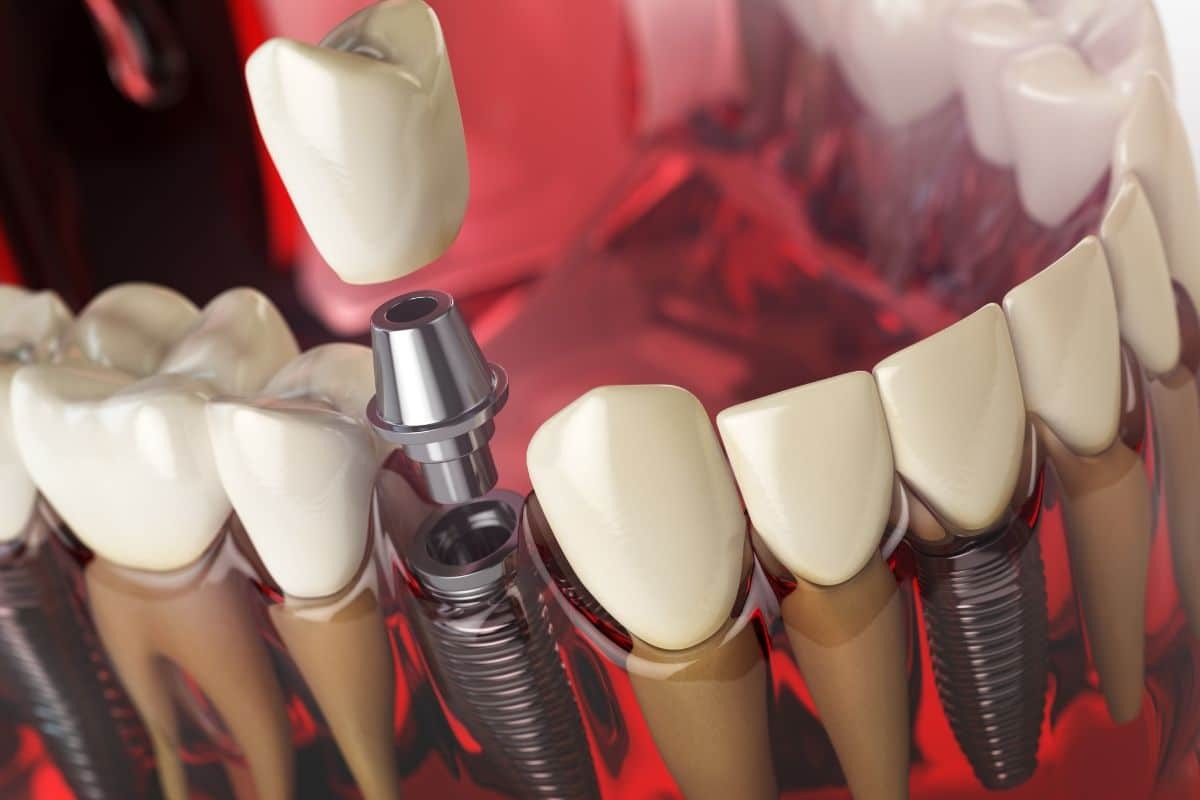
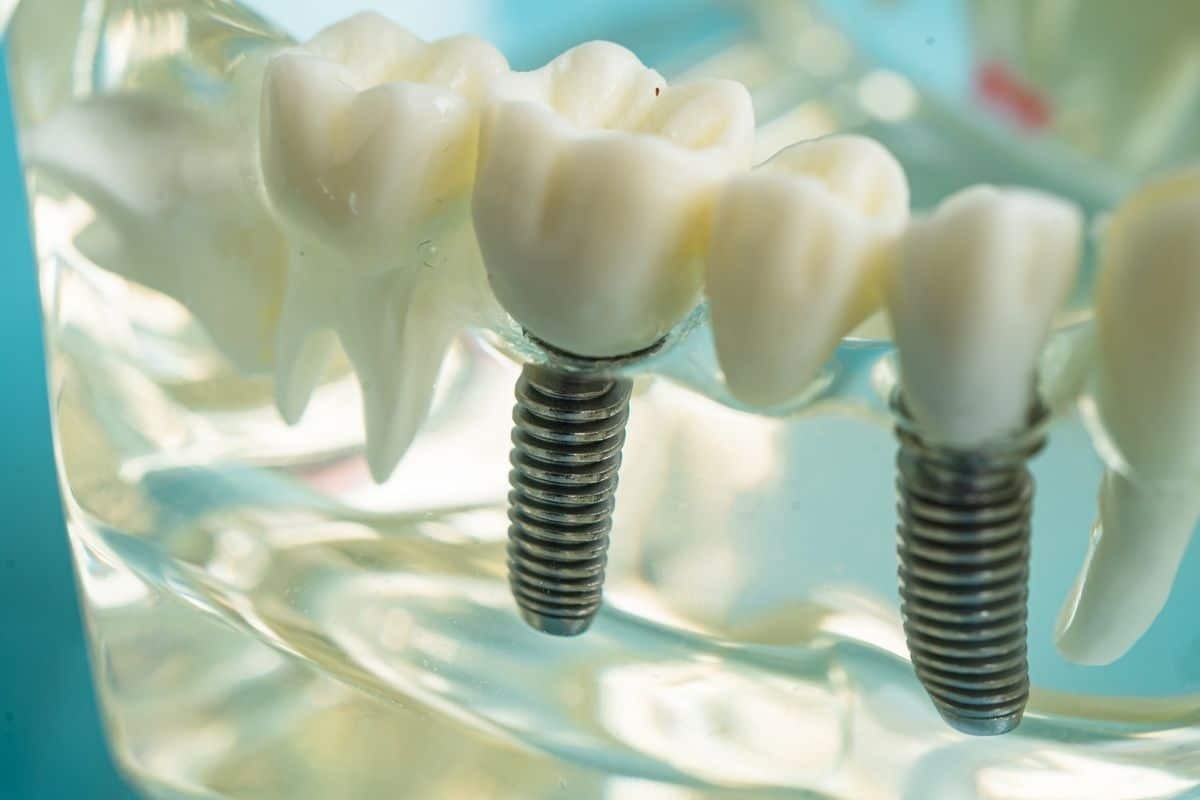
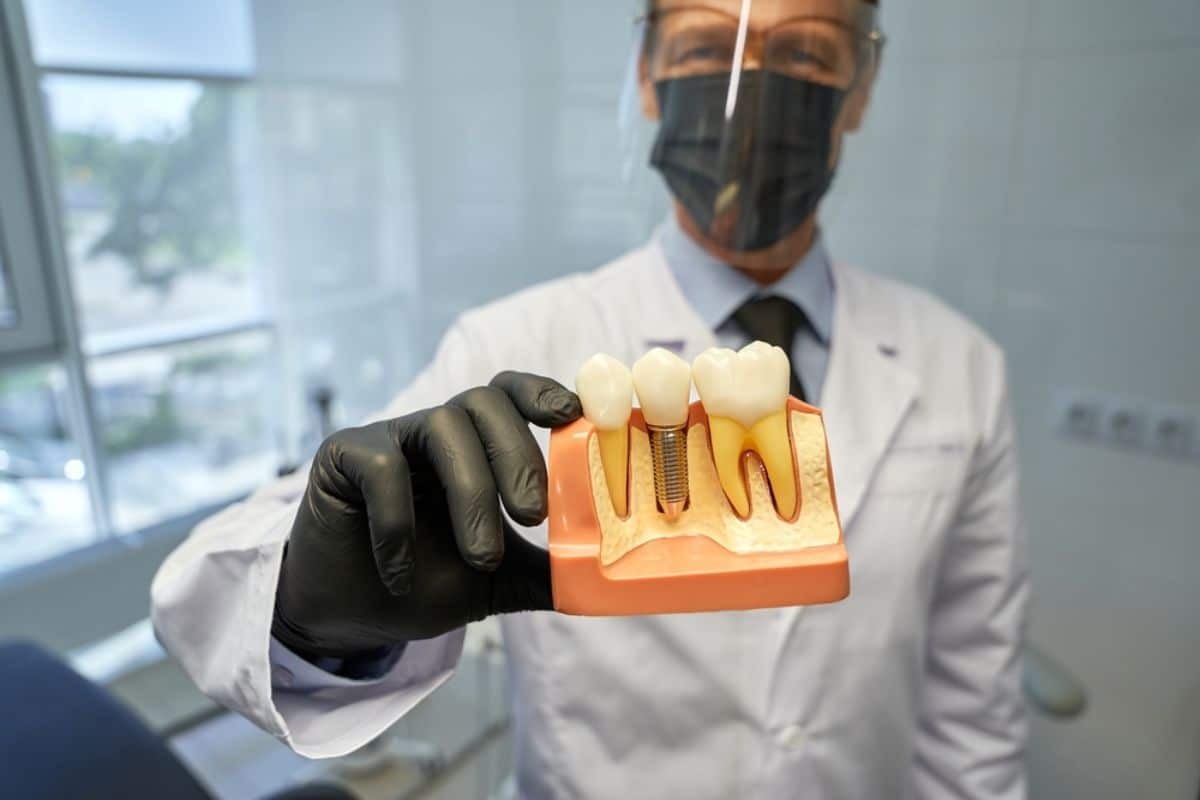
A dental implant is a small titanium post that replaces the root of a missing tooth. It is placed into the jawbone, where it gradually bonds with the surrounding bone through a natural healing process called osseointegration.
Once healing is complete, the implant supports a custom-made crown, bridge, or full-arch restoration that looks and functions much like a natural tooth.
Dental implants are widely recognized as one of the most reliable tooth replacement options because they:
- Help preserve jawbone density
- Restore chewing ability
- Improve speech
- Support neighboring teeth
- Provide a natural-looking smile
- Offer long-term durability with proper care
Unlike removable dentures, implants become a stable part of your mouth, allowing you to eat and speak with greater confidence.
Why Choosing the Right Provider Matters
Dental implant treatment involves much more than placing an implant into the jawbone.
Successful treatment begins with careful diagnosis, detailed planning, evaluation of bone quality, and precise implant positioning. Every stage influences the long-term health, function, and appearance of your restoration.
An experienced provider considers factors such as:
- Overall oral health
- Gum condition
- Bone volume
- Bite alignment
- Medical history
- Healing ability
- Long-term maintenance
A personalized approach helps reduce unexpected complications and improves the likelihood of lasting success.
Signs You’re Ready to Explore Dental Implants
Many people assume implants are only appropriate after losing several teeth. In reality, they can be an excellent option in many situations.
You may benefit from an implant consultation if you:
- Have one or more missing teeth
- Are tired of loose dentures
- Have difficulty chewing certain foods
- Want a fixed replacement instead of a removable appliance
- Have a failing bridge
- Have broken teeth that cannot be saved
- Are experiencing bone loss after tooth loss
The earlier missing teeth are evaluated, the more treatment options may be available.
What to Look for in a Dental Implant Provider
Choosing a provider shouldn’t be based solely on online ratings or convenience. Instead, consider several important factors that directly affect treatment quality.
1. Experience with Dental Implant Procedures
Dental implant placement requires advanced training, careful planning, and extensive clinical experience.
Ask questions such as:
- How many implant procedures are performed each year?
- What types of implant cases are treated?
- Are complex cases managed?
- Is bone grafting available when needed?
- Are full-mouth restorations offered?
Experience with a variety of cases often allows providers to develop personalized treatment plans for patients with different needs.
2. Comprehensive Diagnostic Evaluation
No two patients have identical oral anatomy.
A thorough evaluation should include:
- Medical history review
- Digital X-rays
- Three-dimensional CBCT imaging
- Gum examination
- Bone assessment
- Bite analysis
- Smile evaluation
These details help determine the safest implant position while identifying any conditions that may require treatment beforehand.
Skipping this planning stage increases the risk of complications later.
3. Advanced Digital Technology
Modern technology has transformed implant treatment by improving precision and predictability.
Look for providers that use tools such as:
- Digital treatment planning
- Cone Beam CT (CBCT) imaging
- Computer-guided implant surgery
- Digital impressions
- Intraoral scanners
These technologies help create highly accurate treatment plans while making procedures more efficient and comfortable.
4. Personalized Treatment Planning
Every smile is unique.
Rather than offering identical solutions to every patient, a trusted provider develops a treatment plan based on your individual needs.
Your customized plan may consider:
- Number of missing teeth
- Bone quality
- Gum health
- Cosmetic goals
- Budget considerations
- Healing timeline
- Overall oral health
Personalized treatment planning often leads to better functional and aesthetic outcomes.
5. Clear Communication
Patients should leave a consultation feeling informed, not confused.
A quality provider will explain:
- Available treatment options
- Benefits and limitations
- Expected healing process
- Possible risks
- Alternative solutions
- Estimated treatment timeline
You should feel comfortable asking questions and fully understand each step before moving forward.
How Technology Improves Dental Implant Treatment
Technology isn’t simply about convenience it directly supports more accurate diagnosis and treatment planning.
For example:
| Technology | Patient Benefit |
| CBCT Imaging | Creates detailed 3D views of the jawbone |
| Digital Scanning | Improves accuracy without traditional impressions |
| Guided Surgery | Supports precise implant placement |
| Digital Planning Software | Helps visualize treatment before surgery |
Using modern diagnostic tools allows providers to tailor treatment to each patient’s unique anatomy, improving precision while supporting predictable outcomes.
How to Compare Dental Implant Providers in New York
Not every dental implant provider offers the same level of experience, technology, or treatment options. Taking time to compare practices can help you feel more confident before making a decision.
Consider these factors during your research:
| What to Compare | Why It Matters |
| Implant experience | Providers who regularly perform implant procedures often have experience treating a wider range of cases. |
| Diagnostic technology | Advanced imaging helps create a precise treatment plan based on your anatomy. |
| Treatment options | A practice that offers single implants, implant bridges, full-mouth implants, and bone grafting can provide more personalized recommendations. |
| Patient education | Clear explanations help you understand your options and make informed decisions. |
| Long-term follow-up | Ongoing maintenance visits help protect the health and longevity of your implants. |
Choosing a provider isn’t just about replacing missing teeth, it’s about finding a team that prioritizes long-term oral health and personalized care.
Questions to Ask During Your Consultation
A consultation is your opportunity to learn about your treatment and determine whether a practice is the right fit for your needs.
Here are a few helpful questions to ask:
- Am I a good candidate for dental implants?
- Will I need bone grafting before implant placement?
- What imaging will be used to plan my treatment?
- How long will the entire process take?
- What type of restoration will my implant support?
- What can I expect during recovery?
- How should I care for my implant after treatment?
- What follow-up appointments will be recommended?
A provider who welcomes questions and explains each step clearly helps you make informed decisions with confidence.
Common Mistakes to Avoid When Choosing an Implant Provider
Making your decision based only on cost or convenience may not lead to the best long-term outcome.
Avoid these common mistakes:
Choosing Based on Price Alone
While affordability matters, the lowest-priced treatment may not include advanced diagnostics, personalized planning, or ongoing follow-up care.
Skipping the Consultation
An in-person evaluation provides valuable information that cannot be gathered from online research alone.
Ignoring Gum Health
Healthy gums create a stable foundation for implants. If gum disease is present, it should be treated before implant placement whenever possible.
Overlooking Technology
Digital imaging and guided planning improve accuracy and help providers identify important anatomical structures before surgery.
Not Asking About Long-Term Maintenance
Dental implants require regular professional care and good oral hygiene to remain healthy for years to come.
What Happens During Dental Implant Treatment?
Understanding each phase of treatment can help you know what to expect.
Step 1: Initial Evaluation
Your provider reviews your medical history, examines your mouth, and captures detailed digital images to evaluate your teeth, gums, and jawbone.
Step 2: Personalized Treatment Planning
Based on your examination, a customized treatment plan is created. If additional procedures such as bone grafting are recommended, they are discussed before implant placement.
Step 3: Implant Placement
The titanium implant is carefully placed into the jawbone using advanced planning and precise surgical techniques.
Step 4: Healing
Over the next several months, the implant naturally integrates with the surrounding bone.
Step 5: Final Restoration
Once healing is complete, a custom restoration is attached to the implant, restoring function and appearance.
How Long Do Dental Implants Last?
Dental implants can last for decades and, in many cases, a lifetime when they are properly placed and maintained. Good oral hygiene, routine professional cleanings, regular examinations, and avoiding tobacco products all contribute to long-term implant success.
Who Is a Good Candidate for Dental Implants?
Many adults with one or more missing teeth may qualify for implant treatment.
You may be a candidate if you:
- Have healthy gums or are willing to treat existing gum disease.
- Have enough jawbone to support an implant or qualify for bone grafting.
- Practice good oral hygiene.
- Are generally healthy enough for oral surgery.
- Want a fixed replacement for missing teeth.
Even if you’ve been told you have bone loss, modern treatment options may still make implants possible after a comprehensive evaluation.
What If You Have Bone Loss?
Bone loss is common after a tooth has been missing for an extended period.
Fortunately, it doesn’t always prevent implant treatment.
Depending on your individual needs, your provider may recommend procedures that rebuild or preserve bone before implant placement. A thorough examination and three-dimensional imaging help determine the most appropriate approach.
Benefits of Choosing Dental Implants
Dental implants offer advantages that extend well beyond appearance.
They can help:
- Restore comfortable chewing.
- Support clearer speech.
- Preserve jawbone structure.
- Prevent neighboring teeth from shifting.
- Improve smile confidence.
- Provide stable, long-lasting tooth replacement.
- Support overall oral function.
With proper care and regular maintenance, implants remain one of the most predictable solutions for replacing missing teeth.
Why Local Experience Matters
If you’re searching for Dental Implant Provider in New York, choosing a practice that understands the needs of local patients can make your experience more convenient.
Madison Avenue Periodontics serves patients throughout New York, NY, including nearby areas.
Many patients travel into Manhattan for specialized periodontal and implant care because they value comprehensive treatment planning and long-term support throughout the implant process.
How do you choose a dental implant provider?
Choose a provider who offers:
- Comprehensive evaluations
- Advanced 3D imaging
- Personalized treatment plans
- Experience with implant procedures
- Long-term maintenance and follow-up care
- Clear communication throughout treatment
Can I get dental implants if I have missing teeth for years?
Yes. Many patients remain candidates for implants even after years of tooth loss. Your provider will evaluate your jawbone and determine whether additional procedures, such as bone grafting, may be beneficial before treatment.
Are dental implants worth it?
Dental implants are widely considered a long-term investment in oral health because they restore function, help preserve jawbone, and provide a stable replacement for missing teeth.
How long does implant treatment take?
Treatment timelines vary depending on your oral health, healing process, and whether additional procedures are needed. Your provider can give you a personalized estimate after your evaluation.
Choosing the Right Team for Your Smile
Finding the right dental implant provider involves more than comparing online reviews. Experience, technology, personalized care, and ongoing support all play important roles in achieving lasting results.
If you’re considering Dental Implants in New York, scheduling a professional consultation is the best way to understand your options and receive recommendations tailored to your needs.
The team at Madison Avenue Periodontics is committed to creating individualized treatment plans using advanced diagnostic technology and patient-focused care. If you’d like to learn whether dental implants are right for you, call +1 2127551144 to schedule a consultation and take the next step toward restoring your smile.
Want to see what patients have shared about their experience? Visit our Google Business Profile to read recent patient reviews, view office photos, and get directions before scheduling your consultation.
Frequently Asked Questions About Choosing a Dental Implant Provider
How do I choose the best dental implant provider in New York?
Look for a provider with experience in implant procedures, advanced diagnostic technology, personalized treatment planning, and a commitment to long-term follow-up care. Reading patient reviews and scheduling a consultation can also help you make an informed decision.
Is a consultation necessary before getting dental implants?
Yes. A consultation allows your provider to evaluate your oral health, review your medical history, assess your jawbone with digital imaging, and determine whether dental implants are the right solution for your needs.
Can I receive dental implants if I have gum disease?
Possibly. Gum disease often needs to be treated before implant placement to create a healthier foundation for long-term success. Your provider will recommend the appropriate treatment plan after evaluating your gums.
How long does the dental implant process usually take?
Treatment timelines vary depending on healing, bone quality, and whether additional procedures such as bone grafting are needed. Many patients complete treatment over several months, although every case is unique.
Are dental implants painful?
Most patients report minimal discomfort during implant placement because the procedure is performed with appropriate anesthesia. Mild soreness afterward is common and typically improves within a few days.
How long do dental implants last?
With proper oral hygiene, routine professional cleanings, and regular dental visits, dental implants can last for decades. Many patients enjoy their implants for a lifetime.
Can smokers get dental implants?
Smoking may reduce healing and increase the risk of implant complications. Patients who smoke should discuss their habits with their provider, as quitting or reducing tobacco use can improve treatment outcomes.
What happens if I don’t replace a missing tooth?
Leaving a missing tooth untreated can lead to bone loss, shifting of neighboring teeth, bite changes, and difficulty chewing. Replacing missing teeth early may help preserve oral health.
Are dental implants better than removable dentures?
Dental implants provide a fixed solution that helps preserve jawbone, improves stability, and feels more like natural teeth. The best option depends on your oral health, goals, and individual treatment needs.
When should I schedule a dental implant consultation?
If you’ve lost one or more teeth, have a failing bridge, struggle with loose dentures, or want to explore long-term tooth replacement options, scheduling a consultation is the best first step.