501 Madison Ave 22nd Floor, New York, NY 10022

Why You Should See a Periodontist?

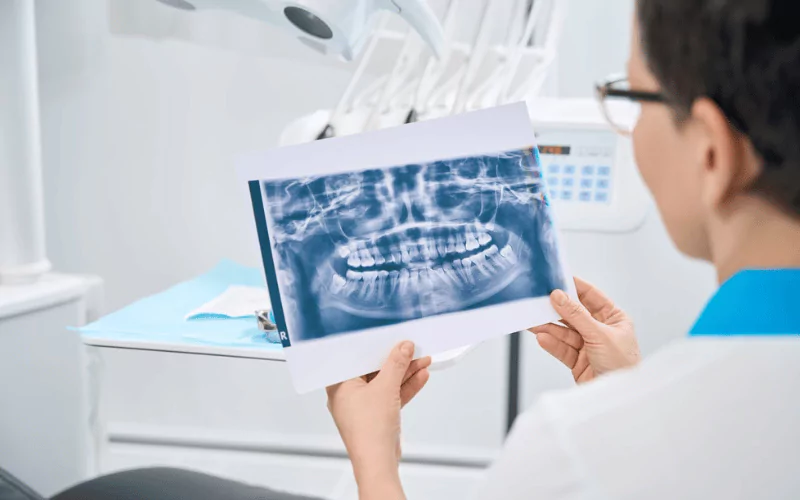
Maintaining good oral health often requires a general dentist, but for gum issues or other concerns, going to see a periodontist is essential. A periodontist specializes in diagnosing and treating gum disease and also performs dental implant procedures.
According to the US Centres for Disease Control and Prevention (CDC), Periodontitis is a common gum disease affecting nearly 4 in 10 U.S. adults aged 30 and older, with varying levels of severity.
At Madison Avenue Periodontics in New York, we understand the importance of specialized care for your gums and teeth. In this blog, we’ll explore why you might need to see a periodontist and how they can help maintain your oral health for the long term. Let’s dive in!
Table of Contents
- What is a Periodontist?
- Signs You Should See a Periodontist
- Common Conditions Treated by a Periodontist
- The Importance of Seeing a Periodontist
- What to Expect During Your Visit
- Conclusion
- Frequently Asked Questions Related to Periodontists
What is a Periodontist?
A periodontist is a dentist who specializes in diagnosing and treating issues related to the gums, bones, and supporting structures of the teeth.
While general dentists focus on overall dental care, periodontists undergo additional training to address complex oral health issues related to gum disease, tooth loss, and implant surgery.
In addition to treating gum disease, periodontists also offer services such as gum grafting, dental implants, and treatment for conditions that affect the bone structure supporting the teeth.
Signs You Should See a Periodontist
It’s not always easy to know when you need to see a periodontist. Here are some warning signs to look out for:
- Bleeding Gums:
If your gums bleed when brushing or flossing, it may be a sign of gum disease, which can be treated by a periodontist.
- Persistent Bad Breath:
If you have chronic bad breath, it could be due to gum infection or decay, conditions a periodontist can help treat.
- Receding Gums:
Gum recession, where the gum tissue pulls away from your teeth, is often a sign of advanced gum disease that requires specialized care from a periodontist.
- Loose Teeth:
Gum disease can lead to weakened bone structures, causing teeth to loosen. A periodontist can stabilize these teeth or recommend treatment.
- Deep Pockets Between Teeth and Gums:
Healthy gums fit snugly around teeth. If there are pockets where food and bacteria can collect, it’s time to see a periodontist.
Common Conditions Treated by a Periodontist
Periodontists specialize in treating a variety of conditions, including:
- Gum Disease (Gingivitis and Periodontitis):
A periodontist can help treat gum infections that cause pain, swelling, and bleeding.
- Gum Recession:
A periodontist can restore gum tissue and prevent further recession, which may result in tooth sensitivity and other problems.
- Dental Implants:
If you’ve lost a tooth, a periodontist can place dental implants to restore your smile.
- Bone Loss:
Periodontists treat bone loss caused by gum disease and can help regenerate lost bone with advanced treatments.
- Gum Grafting:
Periodontists can perform gum grafting to cover exposed tooth roots, restoring the appearance and health of your gums.
The Importance of Seeing a Periodontist
Seeing a periodontist is crucial for maintaining the health of your gums and teeth. While general dentists can treat mild gum disease, advanced cases require the specialized expertise of a periodontist.
Timely treatment can prevent tooth loss, bone loss, and other serious oral health issues. A periodontist’s care can significantly improve your overall oral health, preventing further complications and enhancing your quality of life.
If you live in or near New York, visiting a periodontist in NYC like the professionals at Madison Avenue Periodontics ensures you get top-tier care from experts dedicated to your oral health.
What to Expect During Your Visit
When you visit a periodontist, the first step is usually a thorough evaluation. This may include:
- Medical History Review:
The periodontist will assess your overall health and any medications you take. - Gum Examination:
The periodontist will examine your gums for signs of disease, recession, or infection. - X-Rays:
To determine the condition of your bone structure, your periodontist may take X-rays. - Treatment Plan:
Based on your condition, your periodontist will develop a personalized treatment plan to address your oral health concerns.
Depending on your needs, treatments may include scaling and root planing (deep cleaning), gum grafting, or dental implants.
Conclusion
Seeing a periodontist is essential if you experience symptoms like bleeding gums, bad breath, or loose teeth. These specialists play a vital role in maintaining the health of your gums and teeth and preventing more serious dental issues.
If you’re concerned about your gums or need specialized care, don’t wait!
Reach out to Madison Avenue Periodontics, your trusted periodontist in New York, to schedule your consultation today.
Frequently Asked Questions Related to Periodontists
1. What’s the difference between a periodontist and a dentist?
A periodontist specializes in the treatment of gum disease and other oral health issues, while a general dentist focuses on overall dental care.
2. How can I prevent gum disease?
Regular brushing, flossing, and visiting a dentist can help prevent gum disease. If you’re at risk, a periodontist can offer more specialized care.
3. How often should I see a periodontist?
If you’re at risk for gum disease or other periodontal issues, regular visits to a periodontist are recommended.
4. What happens if I don’t treat gum disease?
Untreated gum disease can lead to tooth loss and bone damage. Early treatment from a periodontist is crucial.
5. How long does it take to recover from periodontal treatments?
Recovery time depends on the treatment, but most people can return to normal activities within a few days.