501 Madison Ave 22nd Floor, New York, NY 10022

Smoking, Vaping & Your Gums: What You Need to Know Before It’s Too Late

You probably know that smoking is hard on your lungs. But here is something most people miss: it is equally hard on your gums. And vaping? It is not the safe swap many believe it to be. Whether you light up or hit a vape pen, your mouth pays a real price, often silently, until the damage is too far along to ignore.
At Madison Avenue Periodontics in New York, we see this every day. Patients come in thinking their gum issues are minor, and it turns out smoking or vaping has been quietly destroying the tissue and bone holding their teeth in place. If you have been looking up a periodontist to understand what is happening in your mouth, you are in the right place.
How Smoking Harms Your Gums
Tobacco does not just stain your teeth. It messes with your body at a cellular level. Nicotine cuts off blood flow to your gum tissue. Less blood means less oxygen, fewer healing cells, and a slower immune response. Your gums become weaker and less able to fight off bacteria that build up along the gumline.
This is how gum disease, known as periodontitis, takes hold. It starts with mild inflammation called gingivitis. Left untreated, it moves deeper, attacking the bone and soft tissue that anchor your teeth. Smokers are two to three times more likely to develop severe gum disease compared to non-smokers, according to research from the American Academy of Periodontology.
Worse, smoking masks warning signs. Healthy gums bleed when they are irritated. Nicotine constricts blood vessels so much that even badly infected gums may not bleed, giving you a false sense that everything is fine.
Is Vaping Any Better for Your Gums?
Short answer: No. Vaping might skip the tar and carbon monoxide, but it still delivers nicotine, and the aerosol it produces is far from harmless. Studies show that vaping dries out gum tissue, reduces the healthy bacteria in your mouth, and triggers inflammation, all of which create an environment where gum disease can grow fast.
A 2019 study published in the Journal of Periodontology found that people who vape show similar gum tissue damage to those who smoke traditional cigarettes. The aerosol particles from vaping also stick to tooth surfaces and gum pockets, feeding bacteria that break down gum tissue over time.
If you have been vaping and noticed your gums look puffy, feel tender, or have started pulling away from your teeth, those are signs worth taking seriously. Reaching out to a qualified periodontist early can make a real difference in the outcome.
Signs Your Gums May Already Be in Trouble
Many people with early gum disease do not feel pain. By the time it hurts, the condition is often advanced. Watch for these signs:
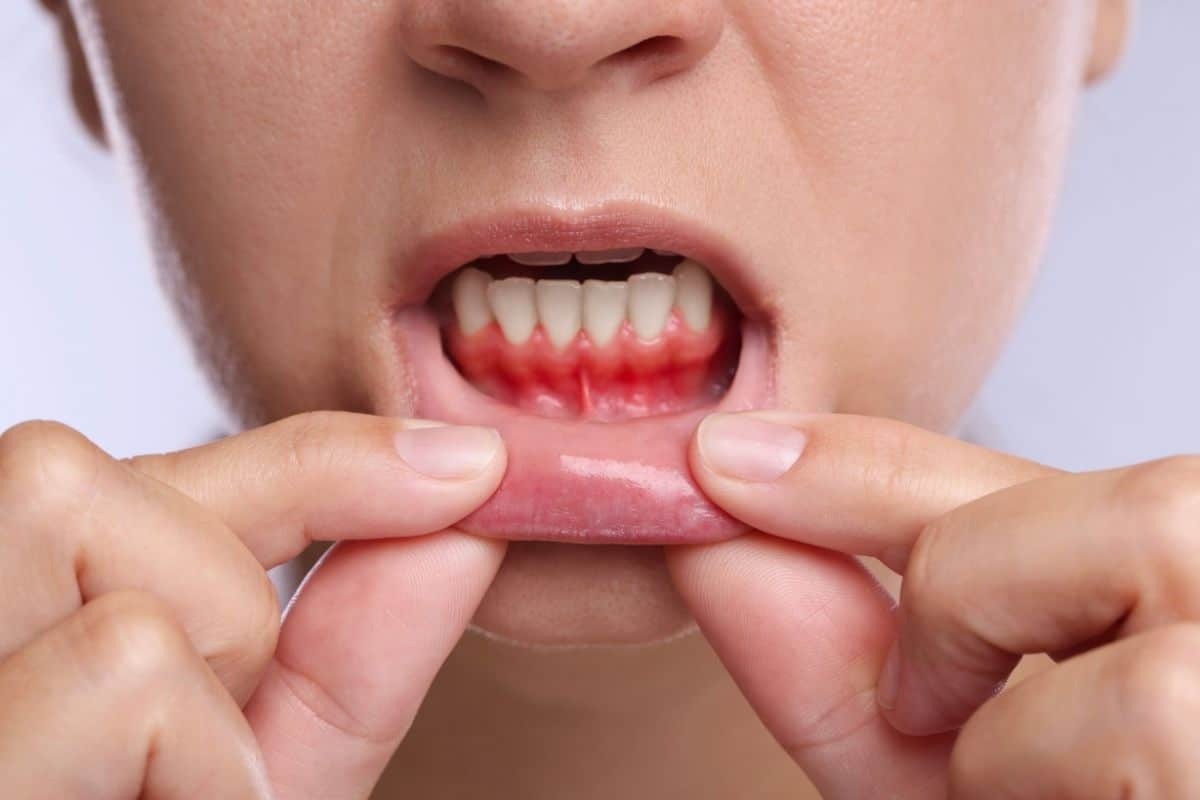
• Gums that look red, swollen, or darker than usual
• Bleeding when you brush, even lightly
• Bad breath that does not go away with brushing
• Gums pulling back from your teeth, making them look longer
• Loose teeth or a change in how your bite feels
• Pus between teeth and gums
Any of these signs, especially in someone who smokes or vapes, calls for a professional look. A search for a periodontist near me can help you find someone in your area who specializes in diagnosing and treating gum disease.
What a Periodontist Can Do for You
A periodontist is a dental specialist focused entirely on gum health and the structures that support your teeth. They receive three additional years of training beyond dental school, and they handle cases that go beyond what a general dentist typically treats.
For patients who smoke or vape, a periodontist can:
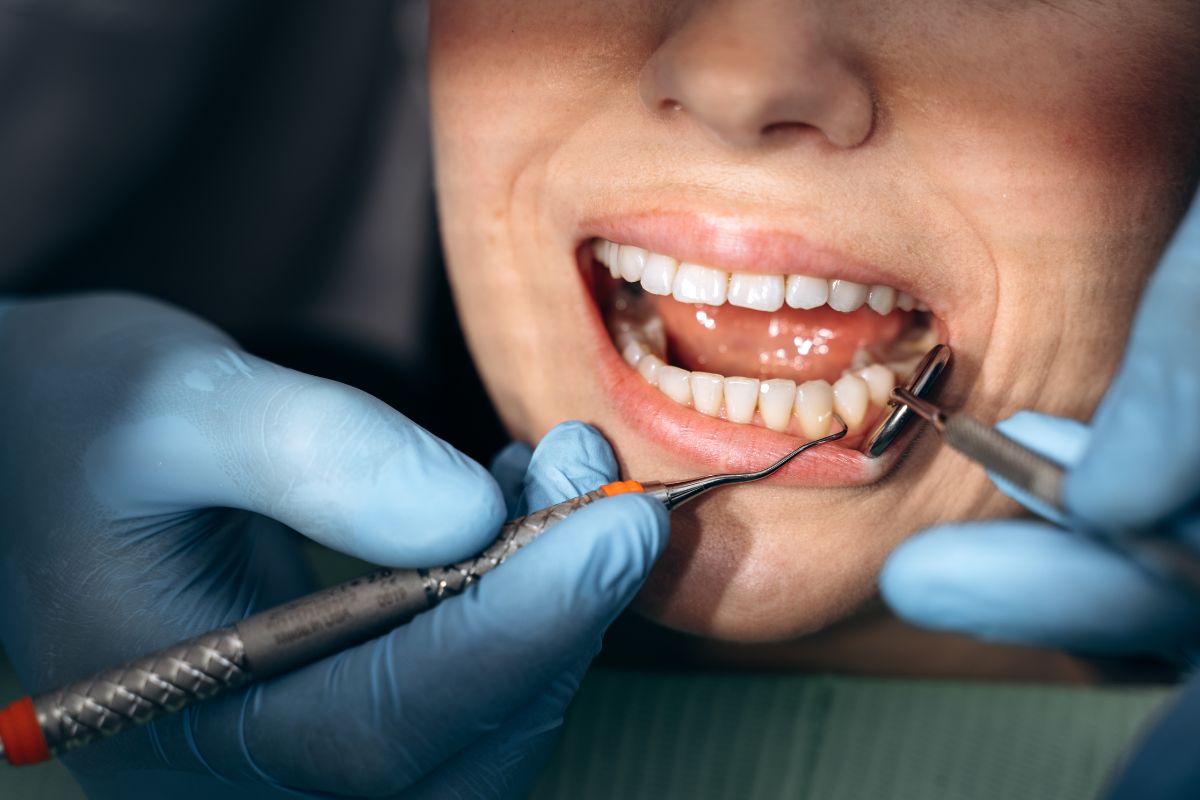
• Perform a full gum assessment to measure pocket depths and bone levels
• Remove built-up plaque and bacteria from deep below the gumline
• Offer scaling and root planing, a deep-cleaning process that removes tartar from root surfaces
• Guide you through a quit-smoking or quit-vaping plan alongside your gum treatment
• Monitor your healing, because smokers often need more follow-up than non-smokers
Treatment works best when you catch things early, which is why regular visits matter even if your teeth feel fine right now.
Can Your Gums Heal After You Quit?
Yes, and often more than people expect. Once you stop smoking or vaping, blood flow to your gums begins to improve within weeks. Gum tissue starts to respond better to treatment. Healing speeds up. The risk of further bone loss drops significantly.
It is not instant, and it does not undo all the damage. But the body is surprisingly good at recovering when it gets the chance. Pairing a quit attempt with a visit to a periodontist near me gives you the best shot at keeping your teeth long-term.
For support with quitting, the CDC’s smoking cessation resources offer free tools and guidance that work well alongside dental care.
Frequently Asked Questions
1. Can smoking cause tooth loss?
Yes. Smoking speeds up bone and gum tissue loss around teeth. In advanced cases, teeth can become loose and fall out or need to be removed.
2. Does vaping cause the same gum damage as cigarettes?
Research shows vaping causes similar gum tissue changes, including inflammation and reduced healing. It is not a safe alternative when it comes to your mouth.
3. How often should smokers see a periodontist?
Smokers should see a periodontist at least twice a year, sometimes more if active gum disease is present. More frequent cleanings help manage the faster buildup of harmful bacteria.
4. Will my gum disease treatment work if I keep smoking?
Treatment can still help, but results are significantly better in patients who quit. Smoking slows healing and makes repeat treatments more likely.
5. Is gum disease painful?
Not always, especially early on. Many people have gum disease for years without pain, which is why regular checkups matter.
6. Can a regular dentist treat gum disease caused by smoking?
A general dentist can handle mild cases. For moderate to severe gum disease, especially in smokers, a periodontist has the specialized training and tools needed for the best results.
7. What should I expect at my first periodontist visit?
Your periodontist will take a full health history, measure gum pocket depths around each tooth, take X-rays to check bone levels, and walk you through a treatment plan.
Take the Next Step for Your Gum Health
Smoking and vaping put your gums at real risk, but you do not have to face that risk alone. Whether you are just starting to notice changes or you have been dealing with gum problems for a while, getting a proper evaluation is the first step toward protecting your teeth.
If you are in New York and ready to get answers, schedule a consultation with our team at Madison Avenue Periodontics. You can contact a local dental office or search for a periodontist near me to find a specialist in your area. The sooner you go, the more options you have. Your gums are worth it.