501 Madison Ave 22nd Floor, New York, NY 10022

Why Gum Disease Is Common in New York Adults


If you live in New York, you already know the pace here is unlike anywhere else. Long work hours, takeout meals on the go, packed subway commutes, and very little downtime. All of that makes it easy to push dental health to the back burner. And yet, for many adults across the city, that choice quietly leads to one of the most common oral health problems: gum disease.
At Madison Avenue Periodontics, we see this every day. Patients come in for consultations, often thinking their bleeding gums are no big deal, only to learn they have a condition that has been building for months. The good news? When caught early, gum disease is very manageable. The challenge is understanding why it starts and why New Yorkers are especially at risk.
What Is Gum Disease, Exactly?
Gum disease (also called periodontal disease) is an infection of the tissues that hold your teeth in place. It starts with plaque, a sticky film of bacteria that builds up on your teeth. When plaque is not removed regularly, it hardens into tartar, and that is when the real trouble begins.
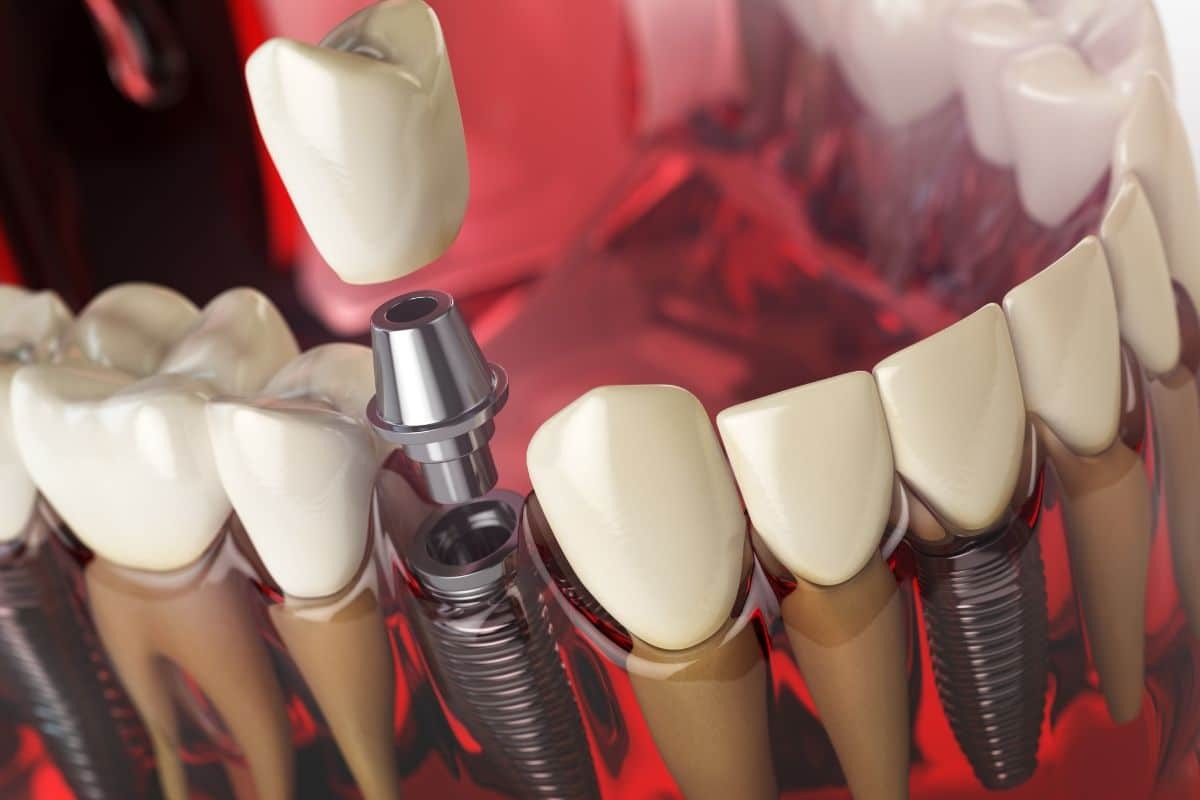
There are two main stages. The first is gingivitis, which causes red, puffy, or bleeding gums. At this point, the damage is reversible. The second stage, periodontitis, goes deeper. It affects the bone and connective tissue around your teeth, and if left alone, it can lead to tooth loss. That is where options like dental implants in New York often come into the picture for patients who wait too long to seek treatment.
Why New York Adults Face Higher Risk
1. Stress Levels Are Through the Roof
New York is one of the most high-stress cities in the country. Chronic stress raises cortisol in your body, which weakens your immune system. A weaker immune system means your body has a harder time fighting off the bacteria in your gums. Research from the American Academy of Periodontology links emotional stress directly to a higher risk of periodontal disease.
2. Smoking and Vaping Are Still Widespread
Tobacco use is a major risk factor for gum disease. It reduces blood flow to the gums, making it harder for them to heal. Vaping is not a safe alternative either. Both slow down the mouth’s natural ability to fight infection, and many smokers do not realize the damage is happening until it is advanced.
3. Diet and Irregular Eating Habits
Fast food, sugary coffee drinks, and skipped meals are part of daily life for a lot of New Yorkers. A diet high in sugar and low in vitamins like C and D creates an environment where gum-damaging bacteria can grow fast. Poor nutrition also makes it harder for your gum tissue to repair itself.
4. Skipping Regular Dental Visits
Between cost concerns, busy schedules, and dental anxiety, many adults in the city go years without a professional cleaning. Plaque below the gumline can only be removed by a dental professional. Skipping those visits lets it build up unchecked.
5. Dry Mouth From Medications
A large portion of New York adults take daily medications, including antidepressants, antihistamines, and blood pressure drugs. A very common side effect of these is dry mouth. Saliva naturally protects your gums by washing away bacteria. Without enough of it, bacteria grow faster and the risk of gum disease goes up.
Did you know? According to the Centers for Disease Control and Prevention (CDC), nearly half of American adults aged 30 and older have some form of periodontal disease. That number climbs even higher in dense urban areas.
Signs You Should Not Ignore
Gum disease often does not hurt at first. That is what makes it tricky. Here are some warning signs to watch for:
Red, swollen, or tender gums. Gums that bleed when you brush or floss. Persistent bad breath that does not go away with mouthwash. Gums that appear to be pulling away from your teeth. Teeth that feel loose or have shifted. Sensitivity when eating hot or cold foods.
If you notice any of these, getting checked sooner is always better than waiting.
What Happens If Gum Disease Goes Untreated?
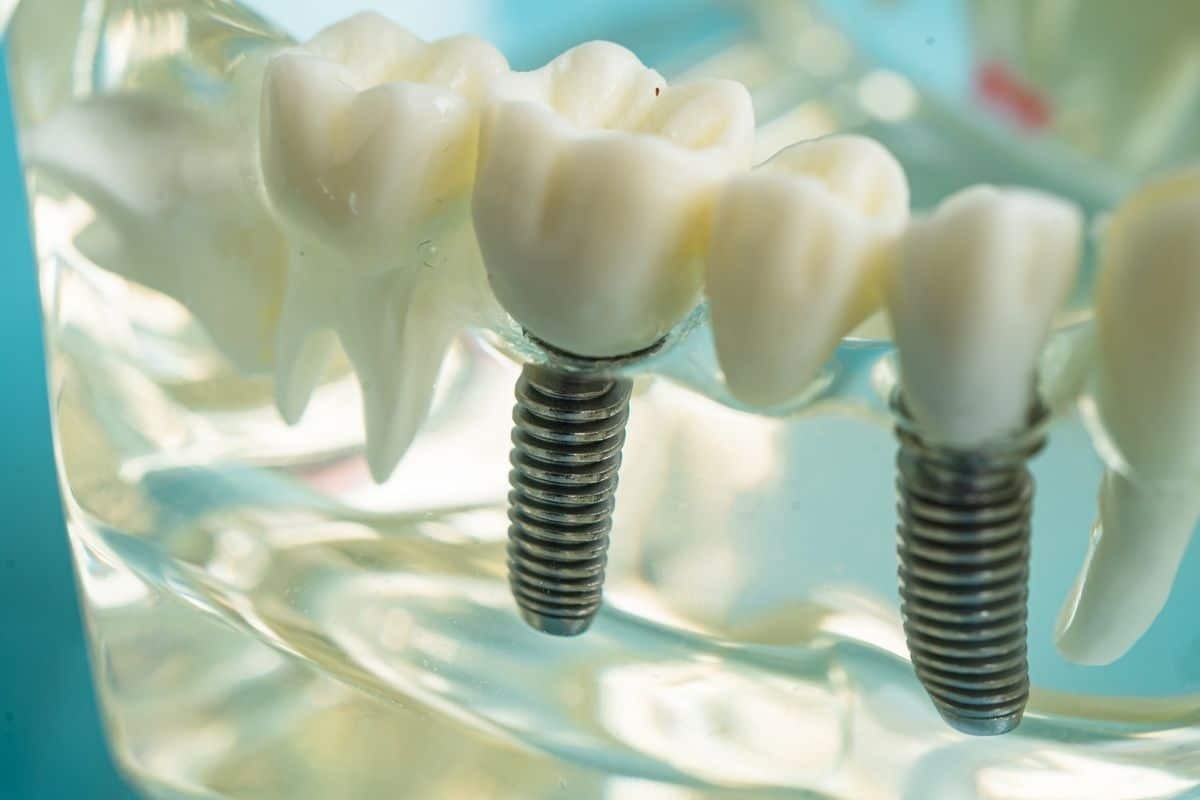
When gum disease is not treated, the infection slowly destroys the bone that supports your teeth. Teeth can become loose and eventually fall out or need to be removed. For many patients who reach this stage, the conversation shifts from gum treatment to tooth replacement. That is when exploring New York dental implants becomes a real part of the discussion, because implants are one of the most effective ways to restore a full, healthy bite after tooth loss.
Beyond your mouth, advanced gum disease has been linked to serious health conditions. The American Heart Association notes a connection between periodontal disease and an increased risk of heart disease, diabetes complications, and even pregnancy issues. Your mouth and the rest of your body are closely connected.
Treatment Options for Gum Disease
The right treatment depends on how advanced the disease is. In its early stages, a deep cleaning called scaling and root planing is often enough. This removes tartar and bacteria from below the gumline and gives the gums a chance to heal. In more advanced cases, surgical treatments or regenerative procedures may be needed to restore damaged tissue and bone.
For patients who have already lost teeth due to gum disease, restorative options like dental implants in New York can be part of a full treatment plan, but only once the gum disease itself has been properly controlled.
How to Protect Your Gums Starting Today
You do not need a complicated routine to keep your gums healthy. Brushing twice a day with a soft-bristle toothbrush, flossing daily, eating a balanced diet, drinking plenty of water, avoiding tobacco, and seeing a dental professional at least twice a year go a long way. If you take medications that cause dry mouth, ask your provider about managing that side effect.
Stress management also plays a real role. Even small habits like regular walks, better sleep, or cutting back on caffeine can help your immune system do its job.
Frequently Asked Questions
Q: Can gum disease be reversed?
A: In its early stage (gingivitis), yes. With proper cleaning and good oral hygiene at home, the gums can fully recover. Advanced periodontitis is managed, not reversed, but treatment can stop it from getting worse.
Q: Is gum disease painful?
A: Not always, especially in the early stages. Many people have gum disease without knowing it because there is little to no pain. That is why regular dental check-ups are so important.
Q: How often should I see a dentist if I have gum disease?
A: Most periodontists recommend every three to four months for patients with active or previous gum disease, rather than the standard twice-a-year schedule.
Q: Does insurance cover gum disease treatment?
A: Many dental insurance plans cover at least a portion of periodontal treatment. It is worth checking your specific plan or asking the dental office to verify your benefits before your appointment.
Q: Can I get dental implants if I have gum disease?
A: Gum disease must be treated and under control before implants can be placed. Placing implants in unhealthy gum tissue greatly increases the risk of implant failure. A periodontist can help you create a plan that addresses both.
Q: Is gum disease contagious?
A: The bacteria that cause gum disease can be passed through saliva, such as through kissing or sharing utensils. However, developing gum disease depends on many factors, including your immune system and oral hygiene habits.
Q: What is the connection between gum disease and diabetes?
A: The relationship goes both ways. High blood sugar creates conditions where gum infections can develop and worsen faster. At the same time, untreated gum disease makes blood sugar harder to control. Managing both together leads to better outcomes.
Take the First Step Today
Gum disease is common, but it is not something you have to live with. Whether you are noticing early signs or have been putting off a dental visit for too long, now is a good time to act. The sooner gum disease is caught, the simpler the treatment, and the better your long-term results.
If you are looking to schedule a consultation with a trusted periodontist, Madison Avenue Periodontics is here to help. We are located at 501 Madison Ave, 22nd Floor, New York, NY 10022, and we work with patients at all stages of gum disease, including those exploring options for tooth replacement such as New York dental implants after tooth loss.
Do not wait until a small problem becomes a big one. Contact a local dental office today and take care of your smile before things get harder to treat.