501 Madison Ave 22nd Floor, New York, NY 10022

How Periodontists Help Prevent Tooth Loss


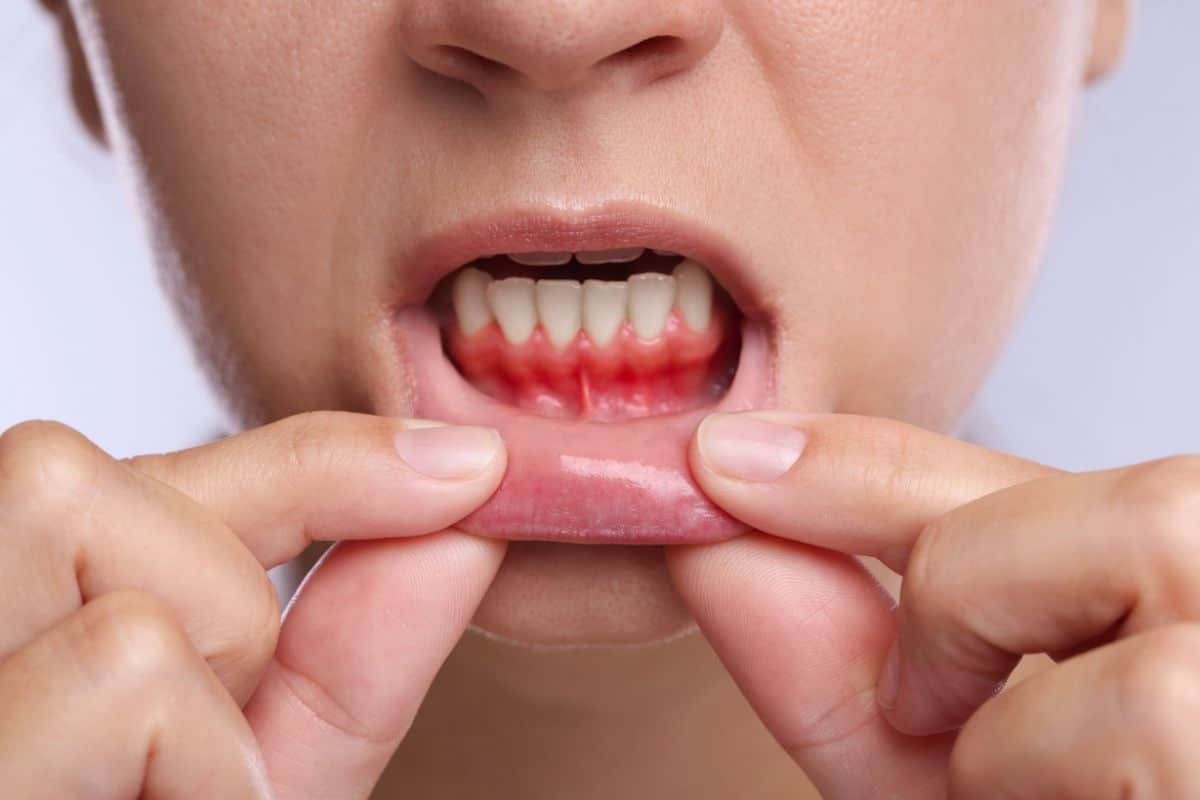
Bleeding gums, chronic bad breath, loose teeth – do they sound familiar? These are not just annoying dental issues. They are red flags that your gums are unhealthy and an infection has formed. If you ignore them, tooth loss can be the next step. Infected gums, along with poor general health, heart disease, diabetes, emphysema, asthma, rheumatoid arthritis, liver conditions, and smoking habits, are the leading causes of tooth loss in adults.
If you have noticed your gums pulling away from your teeth or your bite feeling different, these are signs that the bone and tissue holding your teeth in place are breaking down. Once that support system weakens, your teeth start to shift, loosen, and eventually fall out. With every passing day, your eating and speaking will be compromised.
This is where a periodontist in New York can help you alleviate the pain and discomfort. They are dental specialists trained to detect, treat, and prevent gum infections before they lead to irreversible damage.
Why Gum Health Is Important
Healthy gums are the foundation of a healthy, long-lasting smile. If inflammation and infection are left untreated, they can damage the bone supporting your teeth. This results in tooth dysfunction, heightened pain, and even permanent tooth loss.
However, it is also preventable and treatable. With the right care and early intervention, you can protect your natural teeth and avoid life-altering dental complications.
Specialized Care Under A Periodontist In New York To Prevent Gum Disease
You probably have infected gums if you have been noticing signs like bleeding, soreness, or loose teeth. Consulting a general dentist is not the right decision at this point. Instead, you need a specialized practitioner who can provide answers and treatments to restore oral health. Here is the step-by-step care you will receive:
1. Advanced Diagnosis And Early Detection
Periodontists employ specialized equipment, such as digital imaging, periodontal probes, and 3D scans, to identify early warning signs that go undetected during regular checkups. They also measure gum spacing to understand the progression of the disease.
2. Deep Cleaning Beyond The Surface
If your gum disorder has advanced to more than the initial stage, that is, gingivitis, routine cleaning can not cure it. A gum specialist conducts scaling and root planing, a deep cleaning process that eliminates hardened plaque (tartar) and bacteria. This reduces shrinking gum pockets, allowing quick healing.
3. Regenerative And Surgical Treatments
For more advanced damage, specialists offer treatments that general dentists cannot conduct. Treatments include:
- Gum grafts: When the roots of your teeth are exposed due to gingival recession, a specialist induces soft tissue grafts to cover those areas and prevent further damage or sensitivity.
- Bone Grafts and Tissue Regeneration: If bone loss has occurred, these procedures help rebuild the bone around your teeth to restore stability.
4. Laser Therapy For Moderate Conditions
Most periodontic therapists utilize laser technology to eliminate infected tissue and bacteria, resulting in less pain and quicker healing. This minimally invasive technique also ensures better results with less swelling and bleeding.
5. Dental Implants And Tooth Replacement
According to the American Dental Association, if you have already lost teeth, your dentist might suggest dental implants. Implants can effortlessly fill the gap, restoring natural oral functionalities.
6. Aftercare Instructions For Long-Term Dental Health
After treatment, they provide personalized maintenance plans. It is given to monitor your gums closely, reduce the risk of reinfection, and help you maintain strong, healthy teeth. These plans usually involve more frequent cleanings and regular assessments.
Frequently Asked Questions
Can a periodontist save a tooth affected by gum disease?
In many cases, treatment can help preserve a tooth by controlling infection and reducing further damage to the supporting tissues. The likelihood of saving it depends on the amount of remaining bone support, the severity of the disease, and other factors. Some severely damaged teeth cannot be maintained.
Does gum disease always cause tooth loss?
No. Gingivitis, the early stage of gum disease, is generally reversible with effective plaque control and professional care. Periodontitis can cause lasting damage, but appropriate treatment and ongoing maintenance can often control the condition and help preserve natural teeth.
Can bone loss from gum disease be reversed?
Lost supporting bone does not simply grow back on its own. Certain regenerative procedures can help restore some supporting tissue in carefully selected cases, but results vary. Your periodontist can explain what may be possible based on the location and extent of the damage.
How often should I see a periodontist?
The schedule depends on your oral health and treatment history. Patients with a history of periodontitis commonly need periodontal maintenance more frequently than routine six-month dental cleanings. Your periodontist will recommend an interval based on your individual risk and response to treatment.
What if my teeth are loose but my gums don’t hurt?
Don’t assume the absence of pain means everything is fine. Tooth mobility can occur with advanced periodontal disease and other dental conditions. Arrange an evaluation promptly so the cause can be identified and the available treatment options can be discussed.
Protect Your Natural Teeth With the Right Periodontal Care
Understanding how periodontists help prevent tooth loss starts with recognizing that healthy gums and supporting bone are essential to keeping natural teeth stable. Early diagnosis, appropriate periodontal treatment, good daily oral hygiene, and regular maintenance can all help reduce the risk of further damage.
If you’ve noticed changes in your gums or are concerned about your teeth becoming loose, consider an evaluation rather than waiting for symptoms to worsen. Madison Avenue Periodontics provides periodontal care in New York City to help patients understand their condition and make informed decisions about protecting their oral health.