501 Madison Ave 22nd Floor, New York, NY 10022

How Often Do You Need Periodontal Maintenance After Gum Disease Treatment?

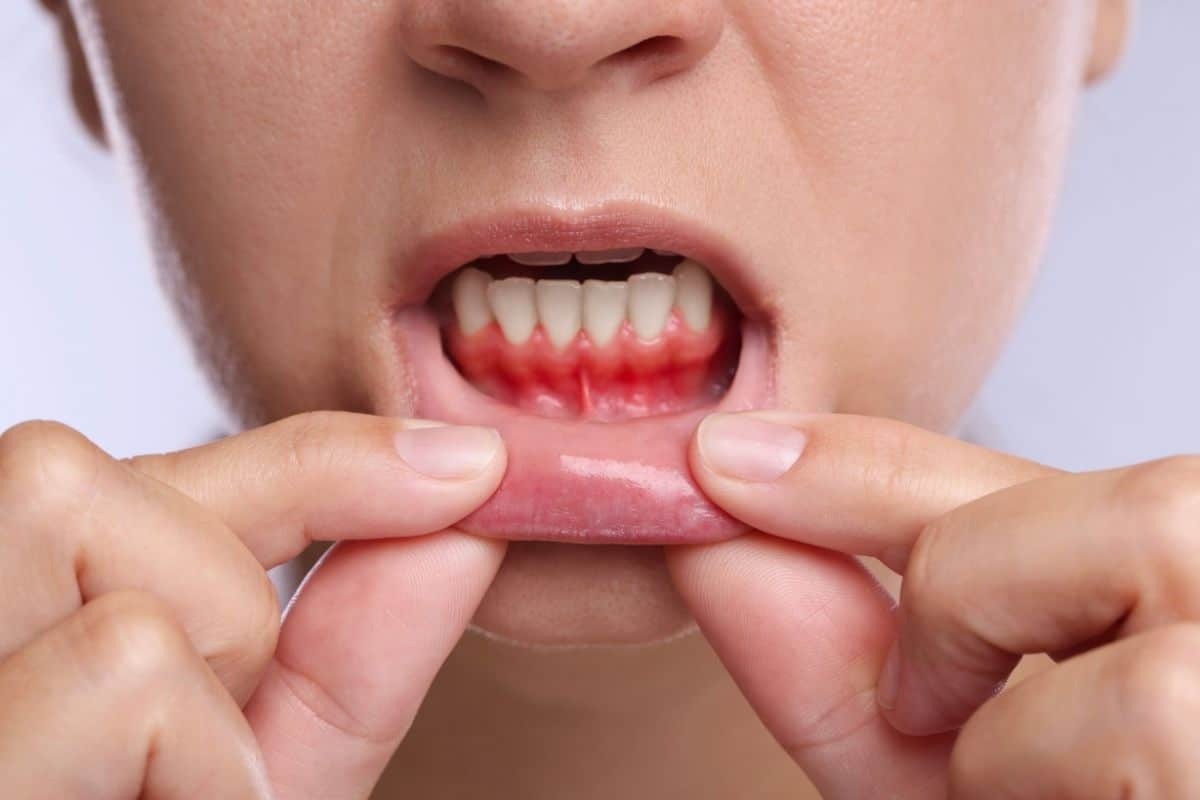
Finishing gum disease treatment is an important milestone, but it does not mean your periodontal care is over. If you have been treated for periodontitis, regular maintenance visits help your dental team watch for changes and manage bacteria before problems become more serious.
So, how often do you need periodontal maintenance? For many patients with a history of gum disease, visits every three to four months are commonly recommended. However, there is no single schedule that works for everyone. Your ideal interval depends on your periodontal history, response to treatment, plaque buildup, home-care habits, and other risk factors.
For patients looking for an expert for periodontal treatment in New York, a personalized maintenance plan can help make long-term gum care easier to understand and follow.
Quick Answer
After gum disease treatment, many patients need periodontal maintenance every three to four months. Patients with more advanced periodontal disease or higher risk factors may need visits more frequently, while some patients may be able to extend the interval. Your periodontist should determine the schedule based on your individual gum health and response to treatment.
Why Is Periodontal Maintenance Necessary?
Periodontitis is a chronic condition that can damage the gums and bone supporting your teeth. Even after active treatment improves your gum health, bacteria and plaque continue to form every day.
That is why maintenance is different from simply having a routine dental cleaning. During periodontal maintenance, your dental professional can evaluate the gums, check periodontal pocket depths, remove plaque and tartar, review your oral hygiene, and look for changes affecting your teeth and supporting bone.
Think of maintenance as ongoing monitoring rather than a one-time treatment. The goal is to help keep your periodontal condition stable and identify concerns early.
How Often Should You Have Periodontal Maintenance?
Every Three to Four Months
A three- to four-month interval is commonly used for patients with a history of periodontal disease. Madison Avenue Periodontics notes that bacterial plaque can contribute to a recurrence of gum inflammation within a few months, which is why professional monitoring at appropriate intervals is important.
Your periodontist may recommend this schedule when you have previously had periodontal treatment and need continued monitoring.
Some Patients Need More Frequent Visits
Not every patient can safely follow a three- or four-month schedule. Some people may need appointments closer together, particularly when their periodontal condition requires closer observation.
Factors that may affect your schedule include:
- The severity of your previous gum disease
- The type of periodontal treatment you received
- How well your gums responded to treatment
- How quickly plaque and tartar accumulate
- Your home-care routine
- Other factors that may increase your risk of periodontal problems
In some cases, supportive periodontal care may be scheduled every few weeks during a particular phase of treatment. Other patients may eventually have intervals of up to six months, depending on their individual condition.
The important point is that your maintenance schedule should be personalized rather than based on a calendar alone.
What Happens During a Periodontal Maintenance Visit?
A periodontal maintenance appointment is designed to assess your current gum health and remove harmful buildup.
Depending on your needs, a visit may include:
- Reviewing changes in your health history
- Examining your gums and other oral tissues
- Measuring periodontal pockets
- Evaluating your oral hygiene habits
- Removing plaque and tartar
- Checking your teeth for decay or other concerns
- Reviewing your bite
- Taking X-rays when appropriate
- Discussing sensitivity or other symptoms
- Updating your home-care recommendations
These visits also give you an opportunity to tell your dental team about bleeding, gum tenderness, recession, sensitivity, bad breath, or changes you have noticed since your last appointment.
Can You Skip Maintenance If Your Gums Feel Fine?
It is tempting to postpone an appointment when your gums feel healthy. However, periodontal disease can sometimes progress without obvious pain or dramatic symptoms.
Skipping several maintenance visits can mean that changes go unnoticed for longer. Regular appointments allow your dental team to compare your current periodontal measurements with previous findings and determine whether your condition remains stable.
Good home care is essential, but brushing and flossing alone do not replace professional periodontal maintenance. Your dental team can reach areas that are difficult to clean effectively at home and monitor the supporting structures around your teeth.
What Can You Do Between Maintenance Visits?
Your daily habits play a major role in maintaining the results of periodontal treatment.
Your daily habits play a major role in maintaining the results of periodontal treatment. For additional practical tips, explore our guide to 11 ways to prevent periodontal disease and learn how simple daily habits can support healthier gums between professional maintenance visits.
Helpful habits include:
- Brush your teeth twice daily using proper technique.
- Clean between your teeth every day with floss or another recommended interdental device.
- Follow any specialized home-care instructions from your periodontist.
- Keep regular dental examinations with your general dentist.
- Avoid delaying care if you notice changes in your gums.
- Follow the maintenance schedule recommended for your condition.
Your general dentist and periodontist can work together as a team. Periodontal maintenance does not replace regular dental checkups because general dental care also includes monitoring for cavities and other dental concerns.
When Should You Contact a Periodontist?
You do not necessarily have to wait until your next scheduled appointment if something changes.
Contact your dental professional if you notice:
- Gums that bleed regularly
- Increasing gum swelling or tenderness
- Persistent bad breath
- New or worsening gum recession
- Tooth sensitivity
- Teeth that feel loose or different
- Changes in the way your teeth come together
- A return of symptoms you experienced before treatment
Early evaluation can help determine whether you need additional treatment or simply an adjustment to your maintenance plan.
Does Periodontal Maintenance Replace Gum Disease Treatment?
No. Maintenance and active periodontal treatment serve different purposes.
Active treatment is used to address existing periodontal infection and inflammation. Once that phase is completed, supportive periodontal care helps monitor your condition and maintain the progress achieved.
If your periodontist finds signs of recurring or progressing disease, your treatment plan may need to be changed. Depending on the situation, this could involve additional periodontal cleaning, further evaluation, or another appropriate treatment.
Are Periodontal Maintenance Visits Expensive?
The cost varies depending on the services needed, your insurance coverage, and how frequently your appointments are scheduled.
Although cost is an understandable concern, regular preventive care may help identify periodontal problems before they become more complex. Your dental office can explain the recommended services and expected costs before treatment.
Why Choose Madison Avenue Periodontics in New York?
Madison Avenue Periodontics provides periodontal care in Manhattan with a focus on individualized treatment and long-term oral health. The practice’s periodontal maintenance program is designed around each patient’s condition rather than using a one-size-fits-all schedule.
The practice includes periodontists Dr. Matthew Neary, Dr. John Lanzetta, Dr. Chris Chondrogiannis, and Dr. Ferris Elhein, with services covering periodontal maintenance, gum disease treatment, laser therapy, dental implants, bone grafting, and other periodontal procedures.
Located at 501 Madison Ave, 22nd Floor, between 52nd and 53rd Streets in New York, the office serves patients seeking specialized periodontal care in Manhattan.
A patient-centered approach means taking time to explain treatment, answer questions, and create a care plan that fits your periodontal needs.
See What Local Patients Are Saying
Want to stay connected with Madison Avenue Periodontics and learn more about the practice? Read patient reviews on Google to see recent updates, practice information, and experiences shared by local patients.
Conclusion
So, how often do you need periodontal maintenance? For many people with a history of gum disease, every three to four months is a common starting point, but your schedule should always be based on your individual periodontal condition.
Consistent maintenance, effective home care, and regular communication with your dental professionals can help you stay proactive about your gum health. If you have been treated for periodontal disease or are overdue for a maintenance visit, consider speaking with a periodontist about the schedule that is right for you.
For periodontal care in New York, contact Madison Avenue Periodontics at +1 2127551144 to discuss your periodontal maintenance needs and schedule an appointment.
FAQ
How often should you get periodontal maintenance after gum disease treatment?
Many patients with a history of periodontal disease are scheduled for maintenance every three to four months. However, patients with more advanced disease or additional risk factors may need more frequent visits. Your periodontist will determine the interval based on your gum health, treatment history, response to care, and plaque buildup.
Can periodontal maintenance be done every six months?
Some patients may eventually have maintenance visits at six-month intervals if their periodontal condition is stable and their dental professional considers that schedule appropriate. However, six months is not automatically suitable for everyone with a history of gum disease. The correct interval should be based on individual risk and clinical findings.
Is periodontal maintenance the same as a regular dental cleaning?
No. Periodontal maintenance focuses specifically on monitoring and managing gum and supporting-tissue health in patients with periodontal concerns. It may include periodontal pocket measurements, evaluation of the gums, and removal of plaque and tartar. Regular dental checkups are still important for overall oral health and detecting problems such as tooth decay.
What happens if you skip periodontal maintenance?
Skipping recommended maintenance appointments can make it harder to identify changes in gum health early. Periodontal disease may not always cause noticeable symptoms, so relying only on how your gums feel can be misleading. Staying on the schedule recommended by your dental professional allows your condition to be monitored over time.
Can good brushing and flossing replace periodontal maintenance?
No. Good home care is a key part of periodontal health, but it does not replace professional maintenance. Your dental team can evaluate areas that are difficult to monitor at home, remove hardened tartar, measure periodontal pockets, and identify changes that may require attention.
When should I see a periodontist after gum disease treatment?
Your periodontist will normally establish a maintenance schedule after active treatment. You should also contact the office sooner if you develop bleeding, swelling, persistent bad breath, gum recession, sensitivity, loose teeth, or other changes. Earlier evaluation may be appropriate when new symptoms appear.