501 Madison Ave 22nd Floor, New York, NY 10022

February & Dentistry: A Month Packed With Oral Health Awareness


February isn’t just about Valentine’s Day and winter weather. For dental professionals and patients alike, this month holds special significance in the world of oral health. From National Children’s Dental Health Month to awareness campaigns that shine a light on gum disease, February offers a perfect opportunity to refocus on the importance of maintaining a healthy smile.
Why February Matters for Oral Health
The American Dental Association has designated February as National Children’s Dental Health Month since 1941. This annual observance reminds families that good oral habits start early. But the awareness doesn’t stop with kids. February also brings attention to gum disease prevention, proper brushing techniques, and the connection between oral health and overall wellness.
Winter months often see people spending more time indoors, which means more opportunities to indulge in sugary treats and hot beverages. This combination can wreak havoc on teeth and gums if proper care isn’t maintained. A skilled periodontist can help identify early warning signs of gum problems before they become serious issues.
The Connection Between Heart Health and Oral Health
February is also American Heart Month, and research continues to show strong links between cardiovascular health and oral hygiene. Studies published by the American Heart Association indicate that bacteria from gum infections can enter the bloodstream and contribute to heart disease. This connection makes regular dental checkups even more critical.
When gum tissue becomes inflamed or infected, it creates an entry point for harmful bacteria. These microorganisms can travel through your body and affect various organs, including your heart. This is one reason why seeing a periodontist at the first sign of bleeding gums or persistent bad breath is so important.
Common Oral Health Issues in Winter
Cold weather brings unique challenges for dental health. Many people experience increased tooth sensitivity when breathing in cold air. Others develop dry mouth from indoor heating systems, which reduces saliva production and increases cavity risk.
Here are some winter-related oral health concerns:
Temperature Sensitivity: Cold air can cause discomfort in teeth with worn enamel or exposed roots. This often signals the need for professional evaluation.
Grinding and Clenching: Stress from holiday bills and winter blues can lead to teeth grinding during sleep, causing jaw pain and tooth damage.
Neglected Routines: Busy schedules and holiday habits sometimes push regular brushing and flossing aside.
At Madison Avenue Periodontics on Madison Ave 22nd Floor in New York, patients frequently seek help for these seasonal concerns during February appointments.
Modern Solutions for Missing Teeth
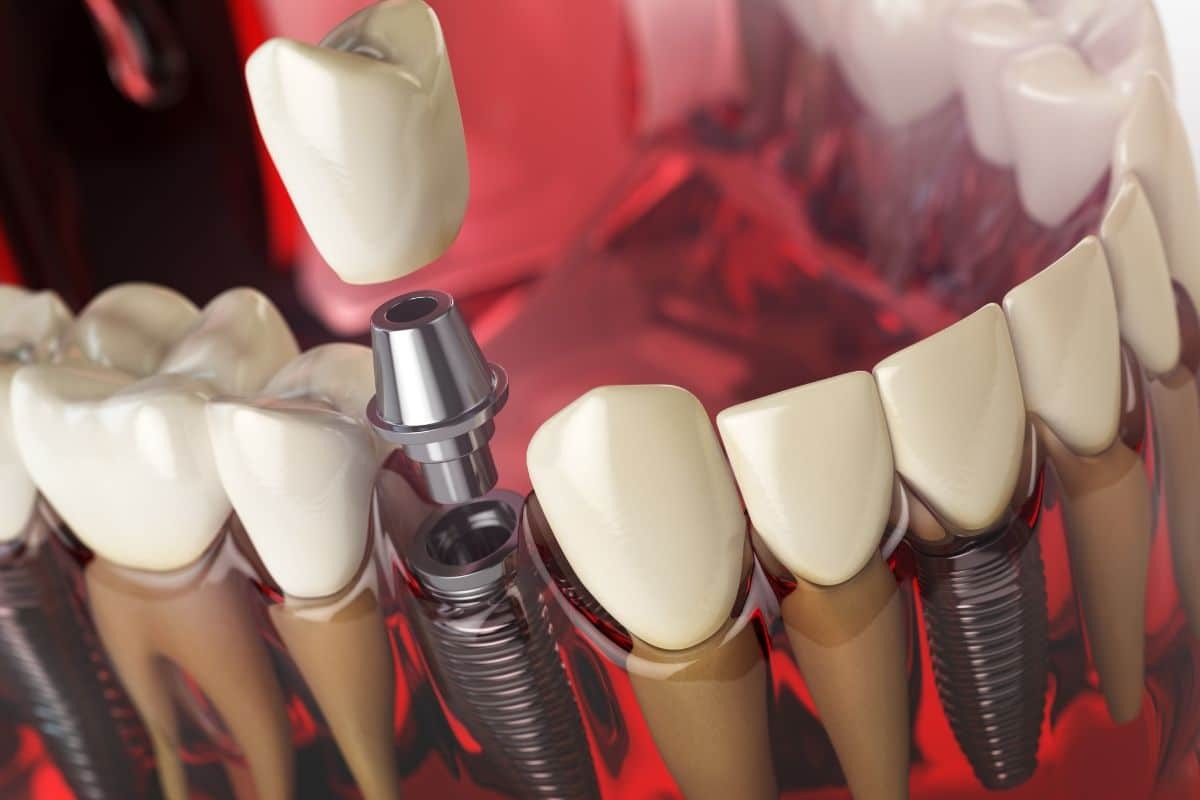
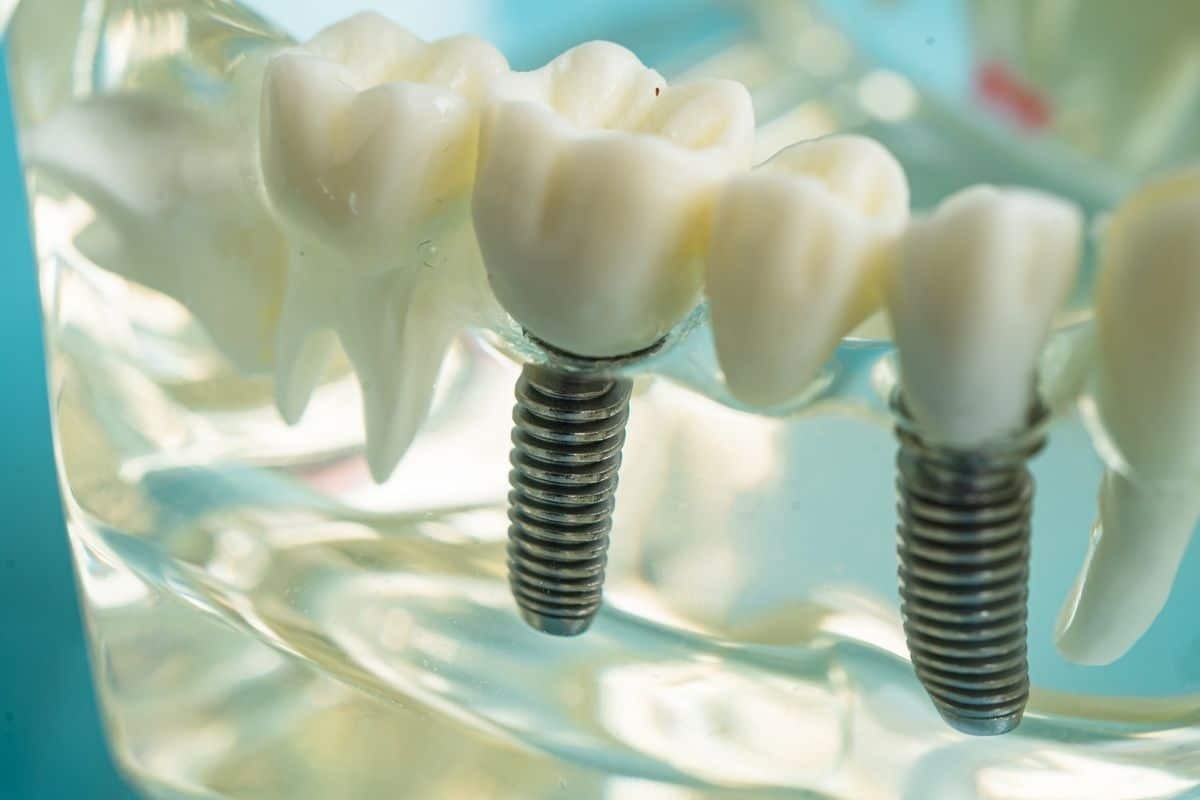
Tooth loss affects millions of Americans, but modern dentistry offers remarkable solutions. New York dental implants have become increasingly popular because they provide a permanent solution that looks and functions like natural teeth. Unlike dentures or bridges, implants fuse with your jawbone to create a stable foundation for replacement teeth.
The process for getting New York dental implants typically involves several steps. First, a dental professional evaluates your jaw bone density and overall oral health. Then, titanium posts are surgically placed into the jawbone. After a healing period, custom crowns are attached to complete your new smile. According to the American Academy of Implant Dentistry, implants have a success rate of up to 98%.
Candidates for implant procedures need healthy gums and adequate bone structure. A qualified periodontist can determine if you’re a good fit for this treatment option.
Teaching Kids About Dental Care This February
National Children’s Dental Health Month provides an excellent platform for teaching young ones about proper oral hygiene. Make brushing fun by letting kids pick their own toothbrushes and flavored toothpaste. Set a timer for two minutes and brush together as a family.
The Centers for Disease Control and Prevention recommends that children visit a dentist by their first birthday. Early visits help kids become comfortable with dental checkups and allow professionals to spot potential problems early.
Gum Disease: A Silent Problem
Gum disease affects nearly half of American adults over 30, yet many don’t realize they have it. Early stage gum disease, called gingivitis, causes red, swollen gums that bleed easily. Without treatment, it can progress to periodontitis, which damages the bone supporting your teeth.
Warning signs include:
- Persistent bad breath
- Gums that pull away from teeth
- Loose teeth
- Pain when chewing
- New gaps between teeth
Regular cleanings and checkups help catch gum disease before it causes permanent damage. Advanced cases may require treatment from a specialist who focuses on gum health and supporting structures.
Taking Action for Your Smile
February’s focus on oral health awareness serves as a reminder that your mouth deserves attention year-round. Whether you need routine cleaning, treatment for gum concerns, or are considering options like New York dental implants, taking the first step matters most.
Don’t wait for pain or obvious problems to seek dental care. Prevention costs less and causes less discomfort than treating advanced disease. If you’ve been putting off that dental visit, use this month as motivation to prioritize your oral health.
Ready to take control of your dental health? Schedule a consultation with a qualified dental professional today. Taking action now can prevent serious problems down the road. Contact a local dental office to book your appointment and start your journey toward a healthier, more confident smile this February.
Frequently Asked Questions
Q: How often should adults visit the dentist?
A: Most adults should have checkups and cleanings every six months, though some may need more frequent visits based on their oral health condition.
Q: Are dental implants painful?
A: The procedure is performed under local anesthesia, so you won’t feel pain during placement. Most patients report manageable discomfort during recovery, similar to a tooth extraction.
Q: What causes gum disease?
A: Plaque buildup containing bacteria is the primary cause. Smoking, genetics, certain medications, and health conditions like diabetes increase your risk.
Q: Can children get gum disease?
A: Yes, though it’s less common. Kids can develop gingivitis from poor brushing habits. Establishing good hygiene early prevents problems later.
Q: How long do dental implants last?
A: With proper care, implants can last 25 years or longer. Good oral hygiene and regular dental visits help ensure longevity.
Q: What’s the difference between a dentist and a periodontist?
A: A periodontist completes additional years of training focused specifically on gum disease treatment, dental implants, and the supporting structures of teeth.
Q: Does dental insurance cover implants?
A: Coverage varies by plan. Some insurance covers part of the cost, while others don’t include implants. Check with your provider for specific details.