501 Madison Ave 22nd Floor, New York, NY 10022

Dental Implants After 60: Is It Too Late?

Age is one of the first things people bring up when they start thinking about replacing missing teeth. The question comes up often: “Am I too old for this?” The short answer is no. Adults in their 60s, 70s, and beyond get dental implants every day with great results. What matters is not your age. What matters is your bone health, your overall medical condition, and the right specialist guiding the process. If you have been quietly searching for dental implants near your area and wondering if the window has passed, keep reading.
Age Alone Is Not a Barrier to Getting Implants
Many people assume there is a cutoff age for dental implants. There is not. Implants are placed in older adults routinely, and the outcomes are just as strong as they are for younger patients when the right conditions are met.
What actually determines whether implants will work is bone density, gum health, and how well your body heals. These factors vary from person to person, not decade to decade. A healthy 68-year-old can be a better candidate than a 45-year-old with uncontrolled diabetes or heavy bone loss.
According to the National Institutes of Health, studies on implant success in older adults consistently show high survival rates, comparable to those seen in younger age groups. The research is clear: age by itself does not predict failure.
What Actually Gets Evaluated Before Implant Placement
Before any implant is placed, a specialist does a full assessment. Here is what typically gets reviewed.
Bone Volume and Density
Implants fuse with the jawbone, so there needs to be enough bone to anchor them. After tooth loss, bone tends to shrink over time. If there is not enough volume, bone grafting can often rebuild the area before the implant goes in. This is a common step, not a disqualifying one.
Gum Health
Healthy gums are needed around any implant site. If gum disease is present, it has to be treated first. Skipping this step raises the risk of implant failure significantly.
Overall Health and Medications
Conditions like uncontrolled diabetes, blood thinners, or certain osteoporosis medications can affect healing. None of these are automatic disqualifiers, but they need to be part of the conversation with your specialist. Most can be managed with proper planning.
Smoking
Smoking slows healing and raises the risk of implant failure. Quitting, even temporarily, before and after placement improves outcomes noticeably.
Why Older Adults Actually Benefit From Implants
People over 60 often have very clear reasons to choose implants over dentures, and those reasons tend to be practical and health-based.
- Implants do not slip or shift like traditional dentures.
- They allow you to eat a full range of foods, which supports better nutrition.
- They preserve the jawbone, which prevents the sunken facial appearance that comes with prolonged tooth loss.
- They do not require adhesives or overnight soaking.
- With proper care, they can last the rest of your life.
The American Dental Association recognizes implants as a reliable, long-term solution for tooth replacement in medically appropriate patients, regardless of age.
What the Process Looks Like for Someone Over 60
The implant process does not change dramatically based on age, but the planning stage may involve more coordination with other doctors. Here is a general timeline.
Initial Exam and Imaging
A specialist takes X-rays and often a 3D scan to assess bone structure. This gives a precise picture of what is available to work with.
Preparatory Work (If Needed)
This might include bone grafting, gum disease treatment, or tooth extraction. These steps take time, but they set up the implant for long-term success.
Implant Placement
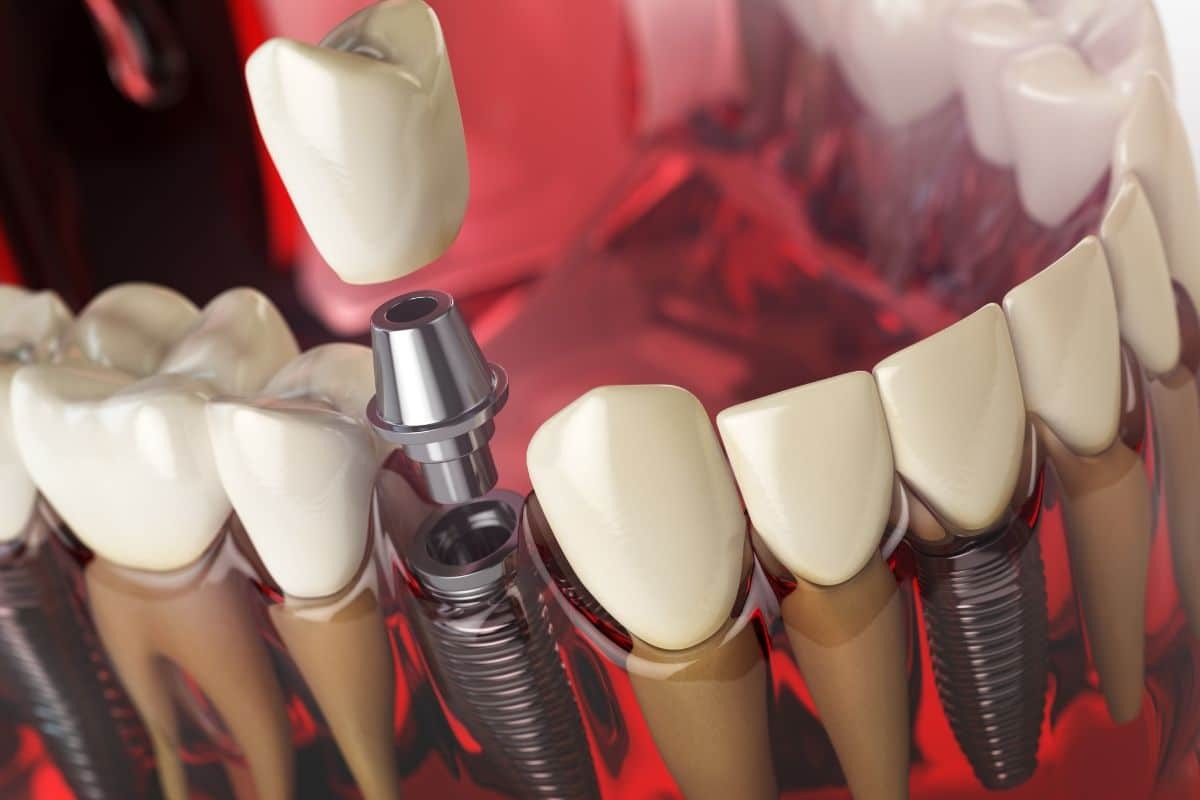
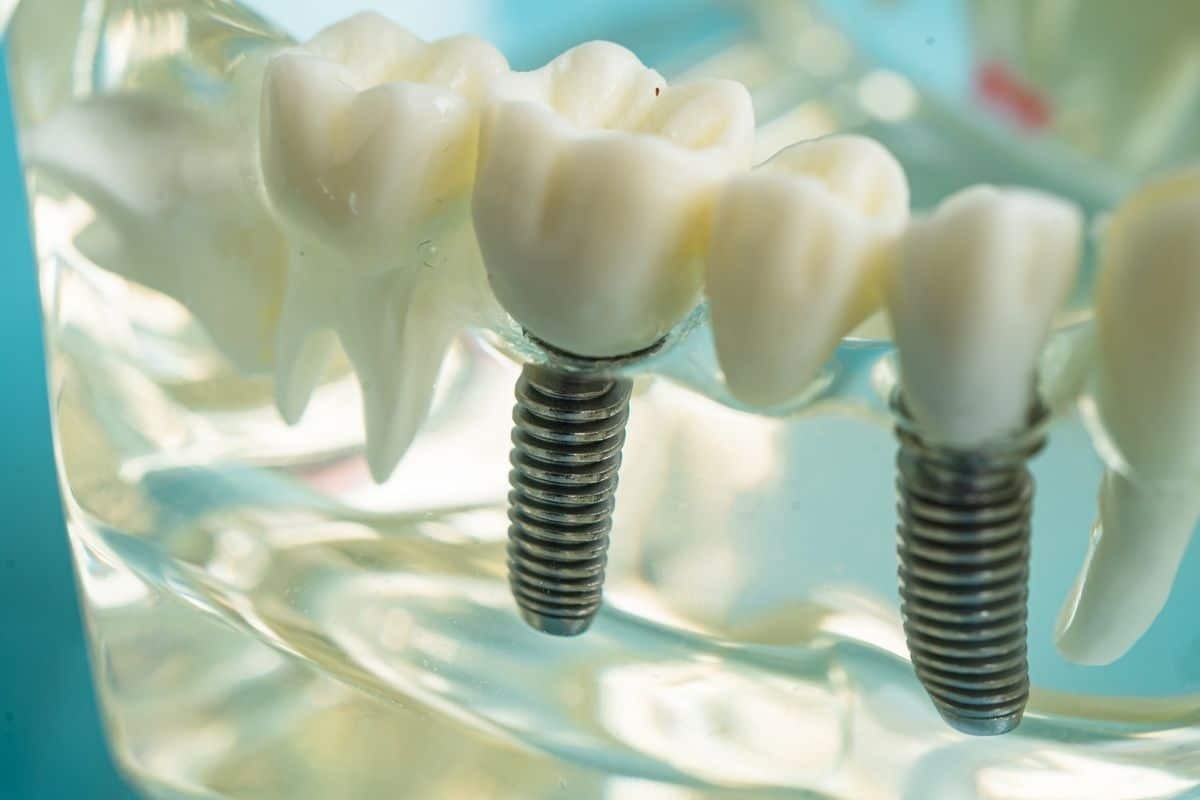
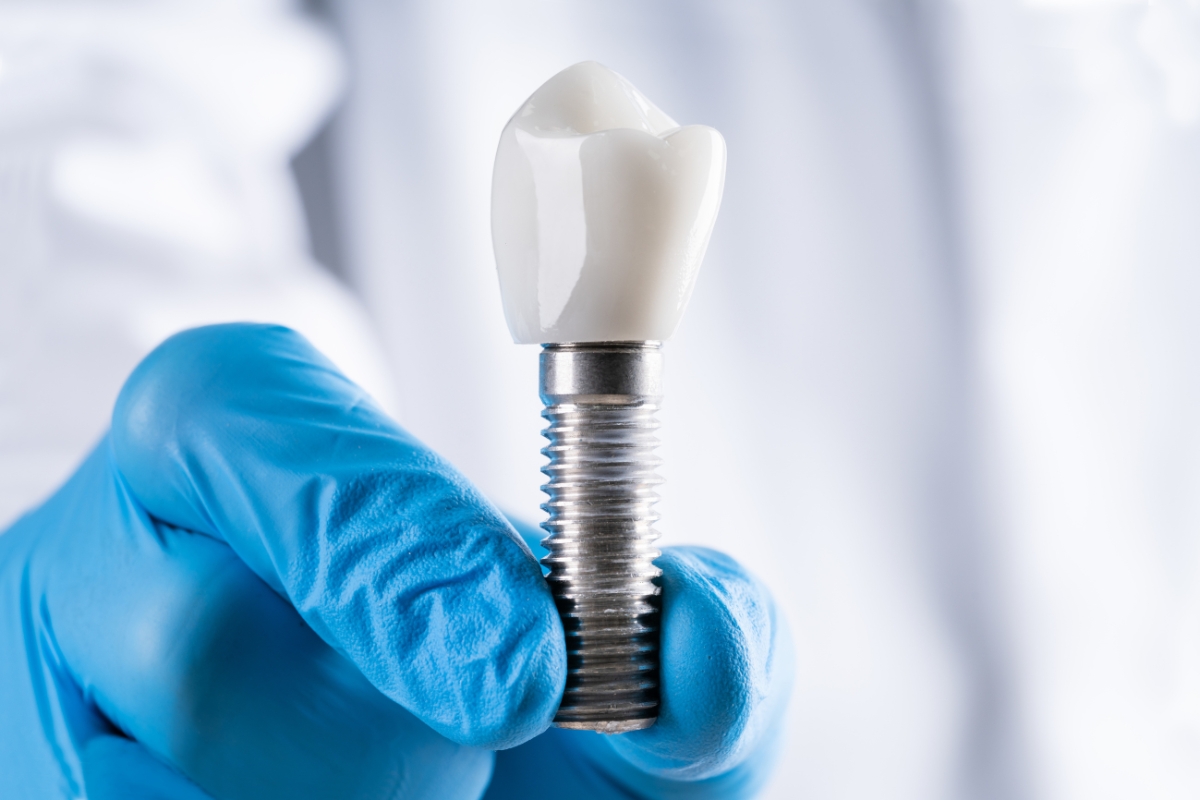
The titanium post is placed into the jawbone in a minor surgical procedure. Healing and fusing (called osseointegration) takes a few months.
Crown Placement
Once the implant has fused, a custom crown is attached. This is the visible part that looks and functions like a real tooth.
Many older adults across New York have already made this decision and are eating, speaking, and smiling with full confidence. Age was a concern for them too, until they sat down with the right specialist and got real answers.
A Note on Healing Time for Older Adults
Healing may take a little longer as we age. This is normal. It does not mean implants will not work. It just means your specialist builds in the right amount of time between each phase. Rushing the process is what causes problems, not the patient’s age.
Eating well, staying hydrated, not smoking, and following post-procedure care instructions all help the body heal well at any age.
Frequently Asked Questions
Q: Is there a maximum age limit for dental implants?
No. There is no upper age limit. As long as you have sufficient bone and are in reasonable health, implants can be placed. Patients in their 70s and 80s receive implants regularly.
Q: Do implants last longer than dentures for older adults?
In most cases, yes. Implants are designed to be permanent. With good oral hygiene and routine checkups, they can last decades. Dentures typically need adjustments and replacements over time.
Q: What if I have been wearing dentures for years? Can I still switch to implants?
Possibly. Long-term denture wear causes bone loss, so a bone graft may be needed first. A specialist can evaluate whether there is enough bone to work with after an exam and imaging.
Q: Are implants painful to get at an older age?
The procedure is done under local anesthesia, so there is little to no pain during placement. Post-procedure soreness is normal and manageable with over-the-counter pain relief in most cases.
Q: Does Medicare or insurance cover dental implants?
Traditional Medicare does not cover dental implants. Some Medicare Advantage plans do offer partial coverage. Private dental insurance coverage varies widely. It is worth checking your plan details before your consultation.
Q: How do I know if I have enough bone for an implant?
A dental X-ray or 3D cone beam scan will show your bone volume. If there is not enough, grafting can often correct this. Your specialist will walk you through what is needed after reviewing your imaging.
Q: Is the recovery harder for older patients?
Healing may take slightly longer, but recovery is manageable for most older adults. Following care instructions, eating soft foods during healing, and attending follow-up visits make the biggest difference in how smoothly the process goes.
Ready to Find Out If Implants Are Right for You?
Getting older does not mean settling for less when it comes to your teeth. If you have been living with missing teeth or uncomfortable dentures, a conversation with a specialist is the best first step you can take.
At Madison Avenue Periodontics in New York, NY, we work with adults of all ages and take the time to understand your full health picture before recommending any treatment. There is no pressure, just honest answers.
When you are ready, schedule a consultation with our team and get a clear picture of your options. You can also contact a local dental office you already see and ask for a referral to a periodontist who handles implant cases.
For those across the city who have been researching options for “dental implants near me“, the right time to act is before more bone is lost, not after. And if you have been weighing your choices for New York dental implants, know that experienced, patient-focused care is available right here.
Your smile at 60 deserves just as much attention as it did at 30. Do not let age be the reason you wait.