501 Madison Ave 22nd Floor, New York, NY 10022

Do Periodontists Recommend Bone Grafting for Tooth Loss?

Losing a tooth can be a difficult experience; however, advances in dental technology have made it possible to restore not only your smile but also your confidence. One effective procedure, bone grafting for tooth loss, is often recommended by periodontists.
If you’re wondering why and how this process works, you’re not alone. According to National Library of Medicine current statistics, it is indicated that approximately 2.2 million bone graft procedures are being performed each year.
In this guide, we’ll explain what bone grafting is, why periodontists perform it, and how it can help restore your oral health after tooth loss.
Table of Contents
- What Is Bone Grafting for Tooth Loss?
- Why Do Periodontists Recommend Bone Grafting?
- When Is Bone Grafting Necessary?
- The Process of Bone Grafting: What to Expect
- Benefits of Bone Grafting for Tooth Loss
- Risks and Considerations
- Aftercare for Bone Grafting
- Conclusion
- FAQs
What Is Bone Grafting for Tooth Loss?
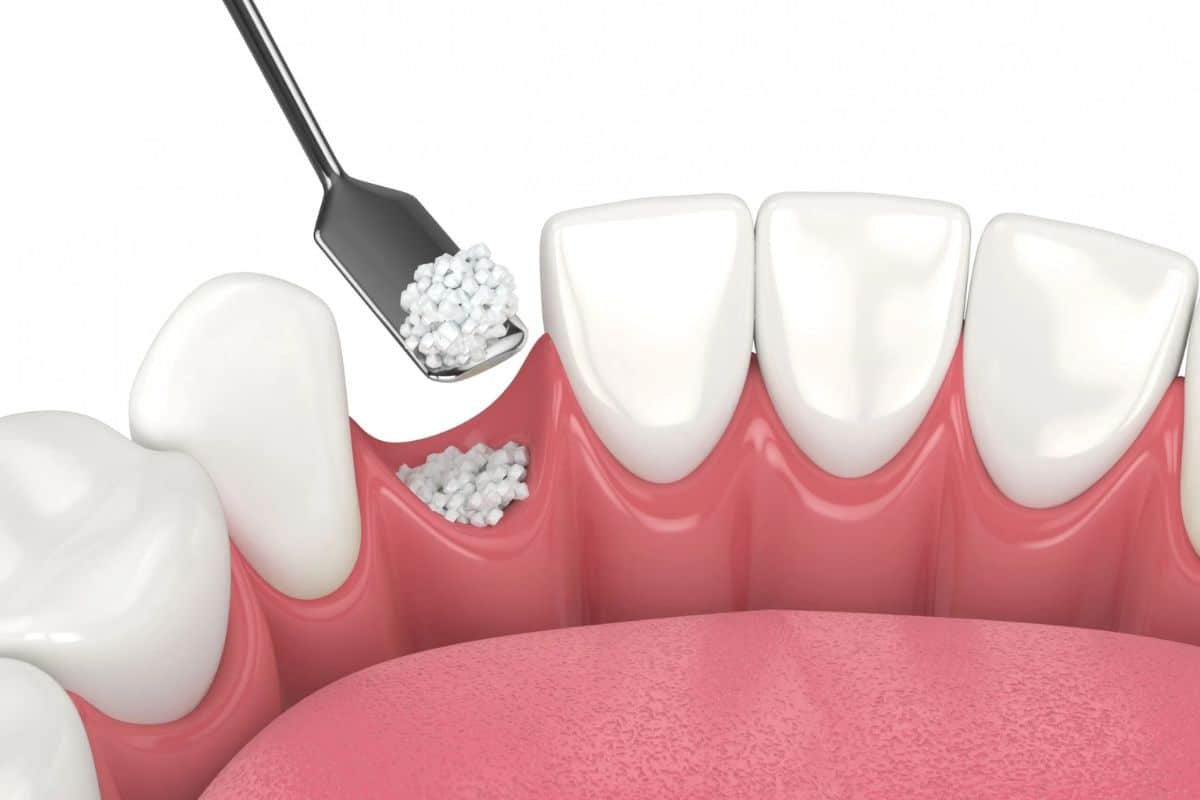
Bone grafting for tooth loss is a dental procedure that involves transplanting bone tissue to the jaw to provide support for a dental implant. When a tooth is lost, the surrounding bone often begins to deteriorate over time.
Consequently, a periodontist may recommend a bone grafting procedure to rebuild this bone, ensuring that a future dental implant will have a solid foundation.
The process involves taking bone from another area of your body or using synthetic bone material and placing it into the jawbone where the tooth has been lost. This not only helps stimulate new bone growth but also promotes a stable environment for a dental implant.
Why Do Periodontists Recommend Bone Grafting?
Periodontists specialize in the structures that support teeth, including the gums and jawbone; therefore, they are best suited to perform this procedure. When teeth are lost, the jawbone can shrink or weaken.
As a result, bone grafting for tooth loss is essential for patients who want to restore their smile and preserve their overall oral health.
Here are some key reasons why periodontists recommend bone grafting:
- Supports Dental Implants:
A strong, healthy jawbone is necessary for the stability of dental implants. Without proper bone structure, implants may fail to integrate with the bone.
- Prevents Bone Loss:
When a tooth is lost, the bone around it begins to shrink. Bone grafting helps preserve the natural shape and density of the jawbone.
- Restores Functionality:
By grafting bone, a periodontist can help restore both the appearance and functionality of the jaw, making it easier to chew and speak.
When Is Bone Grafting Necessary?
Not every patient with tooth loss requires bone grafting; however, it is often recommended under the following circumstances:
- Severe Bone Loss:
If there has been significant bone loss due to tooth loss or gum disease, bone grafting is often necessary to provide enough support for dental implants.
- Preparing for Dental Implants:
Bone grafting may be required to ensure there’s enough healthy bone to secure a dental implant.
- Sinus Lift:
If a tooth is lost in the upper jaw, bone grafting may be needed to lift the sinus membrane before placing an implant.
The Process of Bone Grafting: What to Expect
The bone grafting procedure is generally straightforward, but it can take some time to fully complete the process.
Here’s what you can expect:
- Consultation and X-rays:
Visiting a periodontist is important as they will assess your jawbone and discuss whether you’re a candidate for bone grafting for tooth loss.
This includes taking X-rays or 3D scans to evaluate the bone’s condition.
- Preparation for Surgery:
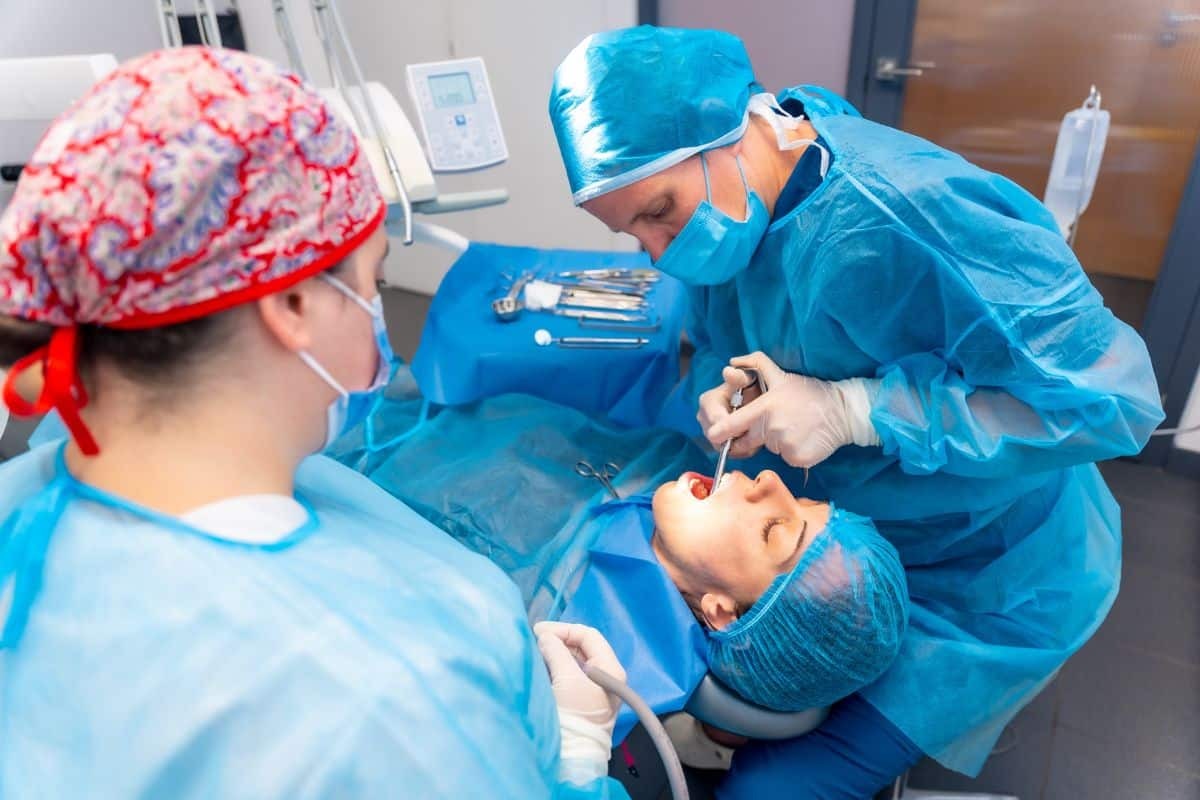
If bone grafting is recommended, the area will be numbed with a local anesthetic. If you’re undergoing a more extensive graft, sedation may be used.
- Grafting:
The grafted material will be placed in the site where the tooth has been lost, and the area will be closed with stitches.
- Healing:
After the procedure, the bone will take several months to heal and fuse with the surrounding bone.
Benefits of Bone Grafting for Tooth Loss
The benefits of bone grafting for tooth loss are numerous, including:
- Restored Bone Density:
It strengthens and preserves the bone, which may otherwise be lost following tooth extraction.
- Improved Aesthetic Results:
When the bone is restored, it improves the appearance of the gums and face.
- Prepares for Future Implants:
The grafted bone creates a solid foundation for dental implants, ensuring long-term success.
- Improved Function:
A stable jawbone enables better chewing, speaking, and overall comfort.
Risks and Considerations of Getting Bone Grafting
As with any medical procedure, bone grafting for tooth loss has some risks, such as:
- Infection:
As with any surgery, there’s a risk of infection.
- Graft Failure:
The body may not accept the graft, which can delay the healing process or require additional grafts.
- Pain and Discomfort:
Some pain and swelling are common after the procedure, though they can be managed with pain relievers.
It’s important to follow your periodontist’s aftercare instructions to minimize these risks.
Aftercare for Bone Grafting
After your bone grafting procedure, follow these tips to ensure optimal healing:
- Rest and Recovery:
Take it easy for the first few days to allow your body to heal.
- Follow-up Appointments:
Attend all scheduled follow-ups with your periodontist to monitor the healing process.
- Avoid Hard Foods:
Stick to soft foods for the first few weeks to avoid disturbing the graft.
- Good Oral Hygiene:
Maintain good oral hygiene, but be gentle around the graft area.
Conclusion
If you are considering tooth restoration through dental implants, bone grafting for tooth loss could be an essential part of the process. By working with a periodontist who specializes in this procedure, you can ensure that your jawbone is healthy and strong enough to support your implants, ultimately providing long-lasting results.
If you’re experiencing tooth loss and want to learn more about bone grafting for tooth loss, Contact us now at (212) 755-1144 to schedule your consultation with our experienced periodontist in New York.
Visit Madison Avenue Periodontics in New York, where our team of experts will guide you through every step of your treatment, helping you achieve a healthier, more restored smile.
Frequently Asked Questions Related to Bone Grafting
1. What is bone grafting for tooth loss?
Bone grafting is a procedure where bone material is added to the jaw to restore bone density and provide a solid foundation for dental implants.
2. Is bone grafting necessary for everyone with tooth loss?
No, not everyone needs bone grafting. It is typically recommended when there is significant bone loss or when preparing for dental implants.
3. How long does the healing process take after bone grafting?
Healing can take several months, as the grafted bone needs time to fuse with the surrounding bone.
4. Is bone grafting painful?
While there may be some discomfort, most patients find that pain can be managed with prescribed medications and proper aftercare.
5. Can I eat normally after bone grafting?
It’s best to stick to soft foods for a few weeks to avoid putting pressure on the healing area.