501 Madison Ave 22nd Floor, New York, NY 10022

Bone Graft Recovery Tips: What to Do and What to Avoid

Recovering from a dental bone graft is an important step toward restoring your oral health and preparing for future treatments like dental implants. Knowing the right bone graft recovery tips can help reduce discomfort, support healing, and lower the risk of complications.
If you’re planning or recovering from a bone graft in New York, understanding what to expect after your procedure can make the process much less stressful. At Madison Avenue Periodontics in New York, we believe that informed patients enjoy smoother recoveries and better long-term outcomes.
Quick Answer
Bone graft recovery typically takes several weeks, while complete bone healing may require several months. Following your periodontist’s instructions, eating soft foods, avoiding smoking, maintaining gentle oral hygiene, and attending follow-up appointments are among the most effective bone graft recovery tips for successful healing.
What Is a Dental Bone Graft?
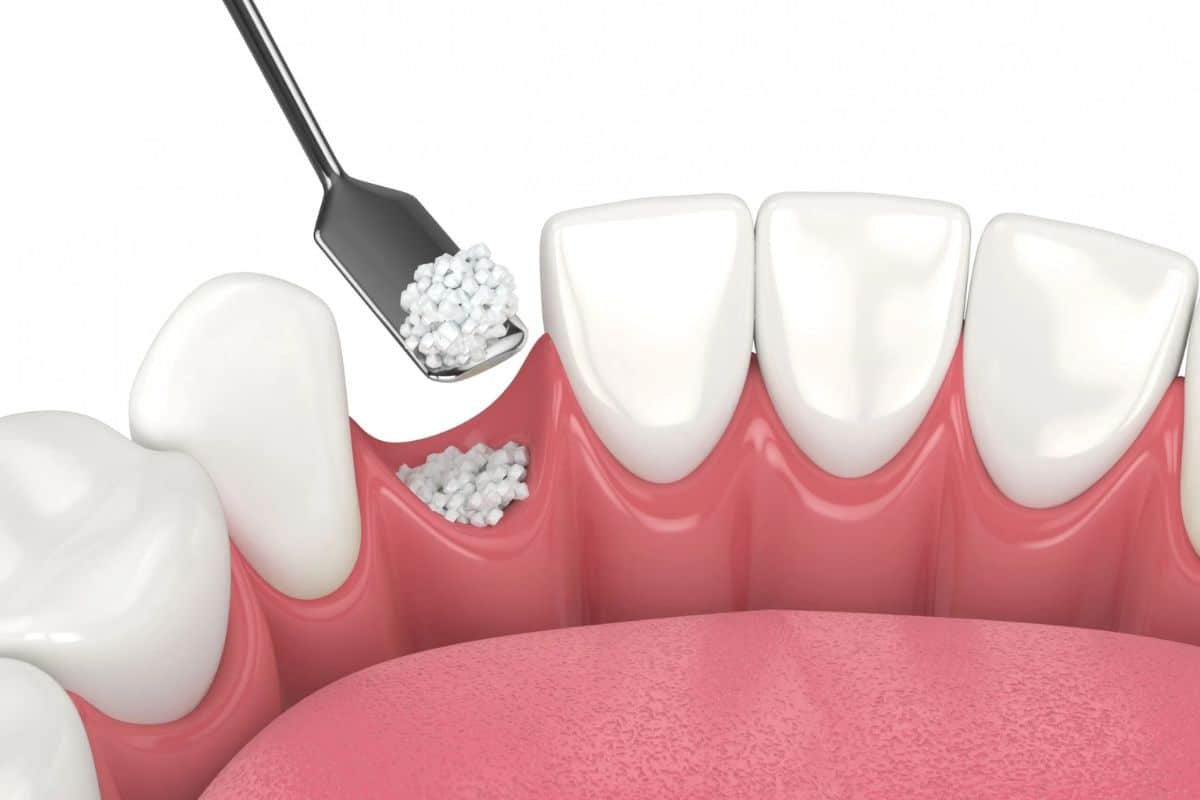
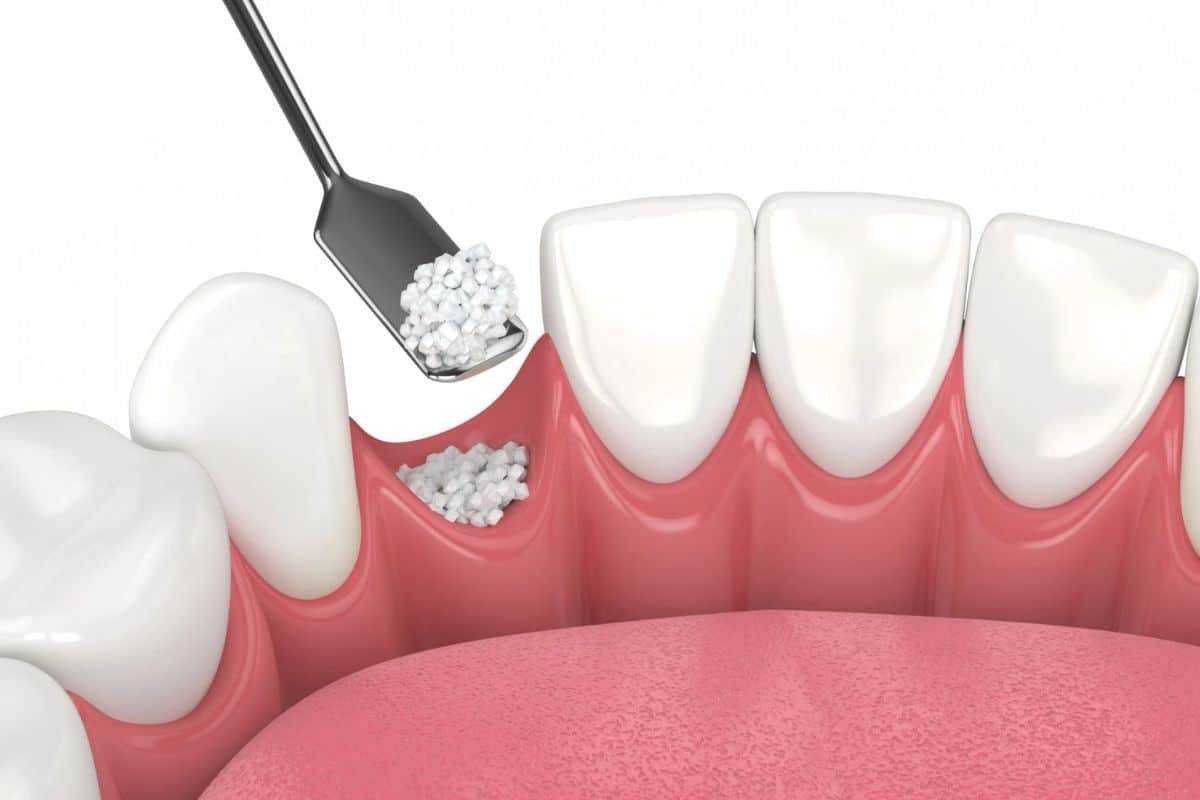
A dental bone graft is a procedure that replaces or rebuilds bone lost due to gum disease, tooth loss, trauma, or infection. The graft creates a stable foundation for future dental implants and helps preserve your jawbone’s shape and strength. To learn more about the lasting benefits of this procedure, read our guide on how bone grafting supports long-term oral health.
Your treatment plan depends on your oral health, bone condition, and future restorative goals.
What to Expect After a Bone Graft
Most patients experience mild to moderate symptoms during the first few days after surgery.
These commonly include:
- Minor swelling
- Mild bleeding or oozing
- Tenderness around the surgical area
- Temporary bruising
- Slight discomfort when chewing
These symptoms are a normal part of the healing process and usually improve within several days.
Bone Graft Recovery Tips for Faster Healing
Following proper aftercare plays a major role in successful healing.
Follow Your Dentist’s Instructions
Every patient’s recovery is different. Carefully follow all post-operative instructions regarding medications, activity restrictions, and oral hygiene.
Skipping medications or ignoring instructions may slow healing.
Eat Soft, Nutritious Foods
Choose foods that won’t disturb the surgical site.
Good options include:
- Yogurt
- Applesauce
- Mashed potatoes
- Scrambled eggs
- Oatmeal
- Smooth soups
- Protein shakes
- Cottage cheese
Stay hydrated by drinking plenty of water.
Practice Gentle Oral Hygiene
Keeping your mouth clean helps prevent infection.
Your periodontist may recommend:
- Gentle brushing away from the surgical site
- Saltwater rinses after 24 hours
- Prescription antimicrobial mouth rinse if needed
Avoid vigorous rinsing or aggressive brushing near the graft.
Rest During the First Few Days
Your body heals best when you’re well rested.
Try to:
- Sleep with your head elevated
- Avoid strenuous exercise for several days
- Give your immune system time to recover
What to Avoid After a Bone Graft
Some habits can interfere with healing or even cause graft failure.
Avoid the following whenever possible.
Smoking or Tobacco Use
Smoking significantly reduces blood flow to healing tissues and greatly increases the risk of complications. If possible, avoid smoking before and after your procedure.
Drinking Through a Straw
The suction created by a straw can disturb the healing area and interfere with the blood clot protecting the graft.
Drink directly from a cup instead.
Hard or Crunchy Foods
Avoid foods such as:
- Chips
- Nuts
- Popcorn
- Crusty bread
- Hard candy
These foods may damage the surgical site.
Touching the Surgical Area
Avoid poking the area with your tongue, fingers, or utensils. Even if the site feels unusual, leave it undisturbed while healing.
How Long Does Bone Graft Recovery Take?
Recovery occurs in stages.
Typical healing timeline includes:
- First 48 hours: Swelling and mild discomfort
- One week: Soft tissue begins healing
- Two to four weeks: Most daily activities return to normal
- Three to six months: Bone integrates with the jaw
Your timeline may vary depending on the size of the graft, your overall health, and whether additional procedures were performed.
Warning Signs That Require a Dental Visit
Although complications are uncommon, contact your periodontist if you notice:
- Heavy or persistent bleeding
- Severe swelling after several days
- Fever
- Pus or unusual drainage
- Increasing pain instead of improvement
- A foul taste or odor that doesn’t go away
Prompt evaluation can help prevent more serious problems and protect your treatment outcome.
Does a Bone Graft Hurt?
Many patients are surprised that the procedure is more comfortable than expected.
Local anesthesia keeps you comfortable during treatment, while prescribed or over-the-counter pain medications usually manage soreness afterward.
Most people describe recovery as similar to or easier than a tooth extraction.
Does Bone Graft Recovery Affect Dental Implant Timing?
Yes.
A successful bone graft creates the healthy foundation needed for long-lasting dental implants.
Depending on your individual case, your periodontist may recommend waiting several months before implant placement to allow the graft to fully integrate.
Patience during healing often leads to better long-term results.
Why Choose Madison Avenue Periodontics in New York?
Choosing an experienced periodontal practice makes a difference throughout both treatment and recovery.
At Madison Avenue Periodontics, patients receive:
- Personalized treatment plans tailored to individual needs
- Advanced diagnostic imaging and modern surgical technology
- Experienced periodontal specialists
- Comprehensive bone grafting and implant care
- Patient-focused guidance before, during, and after treatment
Serving patients throughout New York, NY, the practice emphasizes education, precision, and compassionate care so patients feel confident throughout every stage of treatment.
See What Local Patients Are Saying
Want to stay informed about helpful dental tips, office news, and patient experiences? Visit our Google Business Profile to read recent updates, see patient reviews, and learn more about what local patients are saying about Madison Avenue Periodontics.
Conclusion
Following the right bone graft recovery tips can help promote faster healing and improve the success of your treatment. Eating soft foods, practicing gentle oral hygiene, avoiding tobacco, and attending follow-up appointments all support a healthy recovery.
If you have questions about bone grafting or want personalized guidance, the experienced team at Madison Avenue Periodontics is here to help patients throughout New York, NY.
Call +1 2127551144 today to schedule your consultation and learn how expert periodontal care can support your long-term oral health.
Frequently Asked Questions
How long does it take to recover from a dental bone graft?
Most patients feel much better within one to two weeks. However, complete bone healing typically takes three to six months before the graft is fully integrated with the jaw.
Can I brush my teeth after a bone graft?
Yes. Brush gently while avoiding the surgical area until your periodontist says it’s safe. Good oral hygiene helps reduce the risk of infection during recovery.
What foods should I avoid after a bone graft?
Avoid crunchy, sticky, spicy, or hard foods, along with very hot beverages. Soft foods place less pressure on the healing site and help protect the bone graft.
Is swelling normal after a bone graft?
Yes. Mild swelling usually peaks within 48 to 72 hours and gradually improves. Applying cold compresses during the first day may help reduce swelling.
Can I exercise after bone graft surgery?
It’s best to avoid strenuous physical activity for several days. Rest allows your body to heal and reduces the chance of bleeding or swelling around the surgical site.