501 Madison Ave 22nd Floor, New York, NY 10022

What Are the Benefits of Dental Bone Grafting?

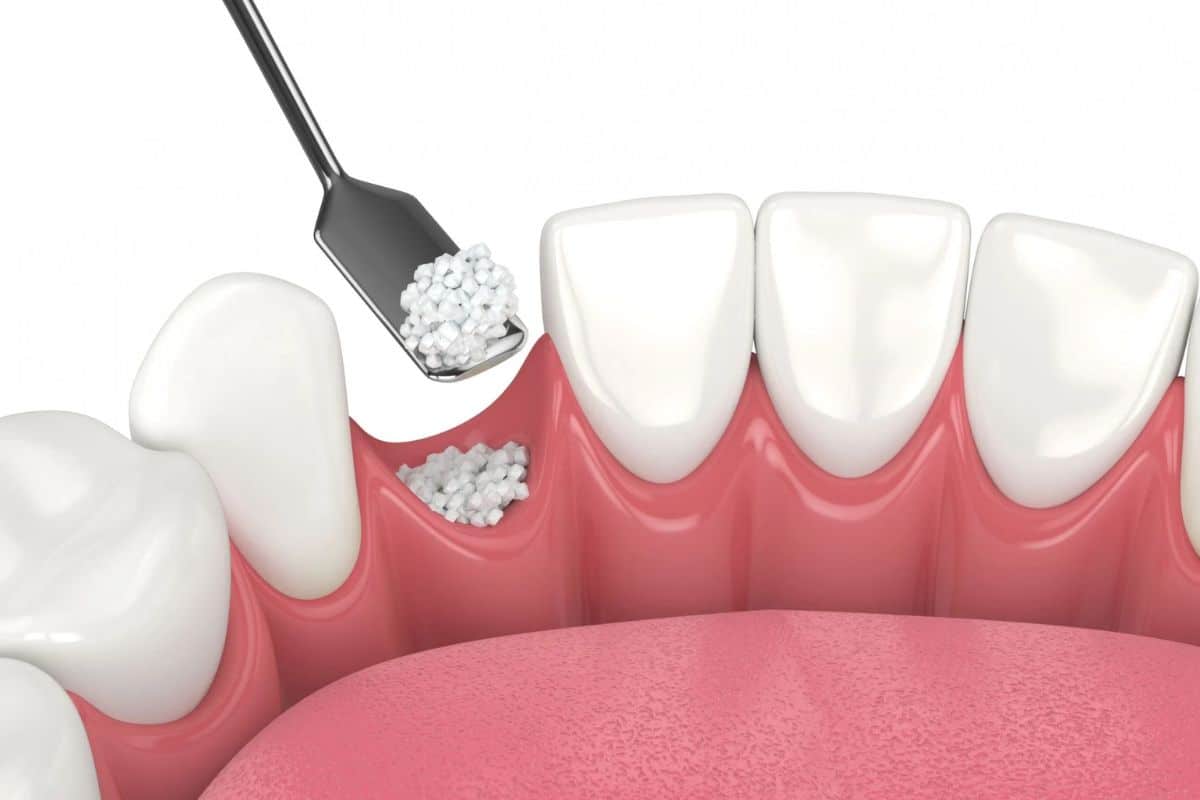
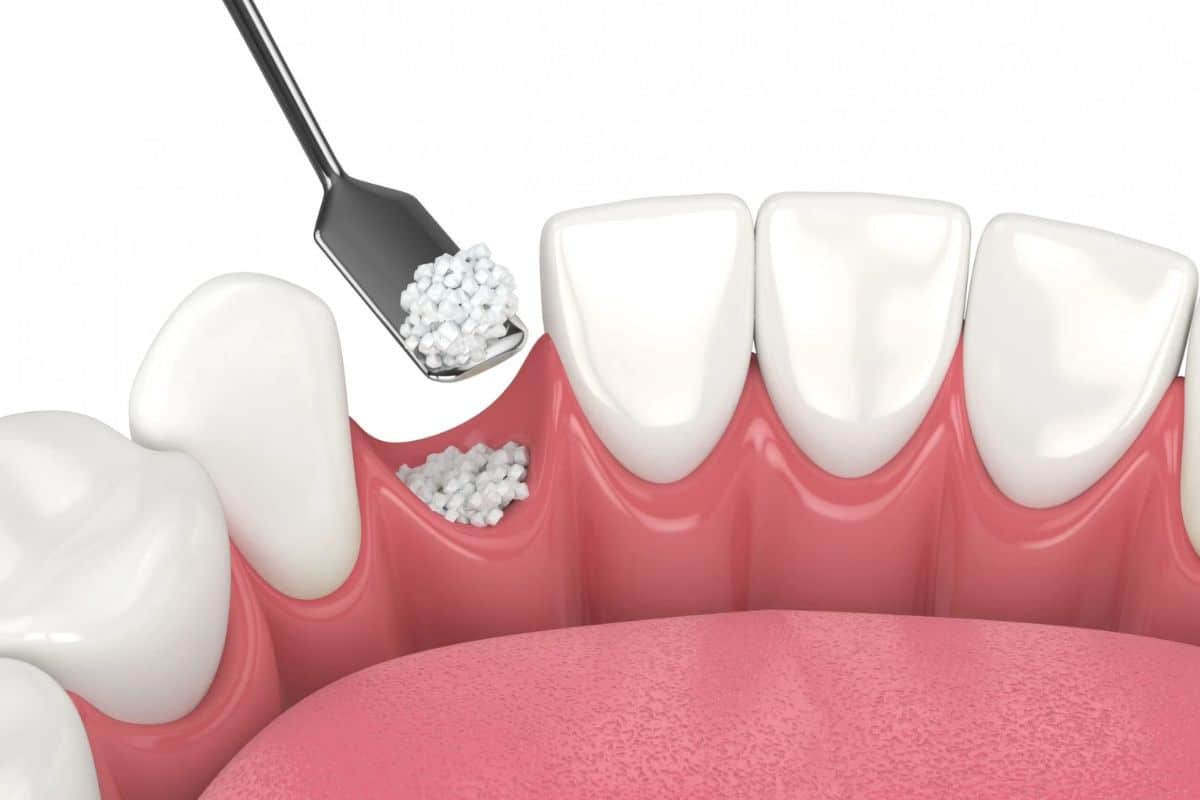
When you lose a tooth, the changes don’t always stop at the visible gap in your smile. The jawbone that once supported the tooth can gradually lose volume, particularly after tooth loss or certain oral health problems. In some cases, rebuilding that lost bone may be an important part of protecting your oral health or preparing for future tooth replacement.
For patients considering treatment, learning about a dental bone graft in New York can help you understand why a periodontist may recommend bone grafting and what the procedure is designed to accomplish.
Quick Answer
The benefits of dental bone grafting can include rebuilding areas of lost jawbone, creating a more suitable foundation for dental implants, helping preserve the shape of the jaw after tooth loss, and supporting certain restorative or regenerative treatments. Whether bone grafting is appropriate depends on the amount and condition of your available bone, your oral health, and your treatment goals.
What Is Dental Bone Grafting?
Dental bone grafting is a procedure used to rebuild or restore areas where jawbone has been lost or damaged. The graft material is placed in the area where additional bone is needed, allowing the body to heal and remodel the site over time.
Bone loss can have several causes. Tooth loss, periodontal disease, trauma, infection, and changes following an extraction can all contribute to reduced bone volume.
A bone graft doesn’t mean that every patient with a missing tooth needs surgery. Instead, your periodontist evaluates the condition of the area and determines whether additional bone is needed for your particular treatment plan.
7 Potential Benefits of Dental Bone Grafting
1. It Can Rebuild Lost Jawbone
One of the primary purposes of bone grafting is to address areas where the jawbone has become too thin, narrow, or deficient.
When bone has been lost, simply replacing the visible tooth may not address the underlying structural issue. A graft can help rebuild the affected area so there is more bone available for future treatment when appropriate.
The amount of bone needed varies from person to person, so an examination and appropriate imaging are important before treatment is recommended.
2. It Can Help Prepare for Dental Implants
Dental implants are supported by the jawbone. When there isn’t enough healthy bone in the planned implant area, your dental professional may recommend bone grafting before implant placement.
In these situations, grafting is intended to improve the foundation available for the implant rather than simply treating the missing tooth itself.
Depending on the individual case, bone grafting may be performed before implant placement or incorporated into an implant treatment plan. The timing depends on factors such as the location and extent of bone loss and how the site heals.
3. It May Help Preserve the Shape of the Jaw
After a tooth is lost, the bone that previously surrounded its roots can gradually shrink. This process can change the contours of the jaw over time.
Preserving or rebuilding bone can help maintain the structure of the affected area. This can be particularly relevant when a patient is considering a future dental implant or wants to maintain the foundation around neighboring teeth.
Bone preservation isn’t automatically necessary after every extraction. Your treatment needs should be evaluated individually.
4. It Can Address Bone Loss Related to Periodontal Disease
Advanced periodontal disease can damage the tissues and bone that support the teeth. When significant bone loss occurs, specialized periodontal treatment may be needed.
In selected situations, regenerative procedures can be considered to address certain bone defects. Bone grafting may be one component of a broader periodontal treatment plan.
If you’re unsure whether previous gum disease or tooth loss has affected your jawbone, learning about the signs you may need a dental bone graft can help you identify questions to discuss with a dental professional.
5. It Can Support Certain Restorative Treatment Plans
Bone grafting isn’t limited to one specific type of procedure. Depending on the location and shape of a bone defect, different approaches may be considered.
For example, treatment can involve rebuilding a ridge that has become narrow after tooth loss or addressing a specific area where additional bone is needed.
The appropriate approach depends on your anatomy, the location of the missing or damaged bone, and what treatment you may need afterward.
6. It Can Help Address Bone Deficiencies After Tooth Loss
A missing tooth can affect more than your ability to chew comfortably. Over time, the surrounding bone may become thinner because it is no longer supporting a natural tooth root.
If you eventually want a dental implant, this reduction in bone volume may affect the available space for treatment. In some cases, bone grafting can be used to rebuild the area as part of the overall treatment plan.
This is one reason why discussing tooth replacement options sooner rather than later may be useful after tooth loss.
7. It Allows Treatment to Be Planned Around Your Individual Needs
There is no single bone-grafting approach that works for every patient.
Your periodontist may consider the location and size of the bone deficiency, the condition of your gums and remaining teeth, whether an implant is planned, and the type of graft material appropriate for the situation.
This individualized planning helps ensure that treatment is based on your actual oral health rather than a one-size-fits-all approach.
Who May Benefit From Dental Bone Grafting?
Bone grafting may be considered for patients who have:
- Lost a tooth and experienced bone shrinkage
- Been told they don’t have enough bone for an implant
- Experienced bone loss associated with periodontal disease
- A damaged or deficient area of the jaw following trauma
- A ridge that has become narrow or sunken after tooth loss
- A planned dental implant that requires additional bone support
However, having one of these circumstances does not automatically mean you need a bone graft. A professional evaluation is necessary to determine whether grafting is appropriate.
What Happens During a Bone Graft Evaluation?
The first step is understanding what’s happening beneath the gum tissue.
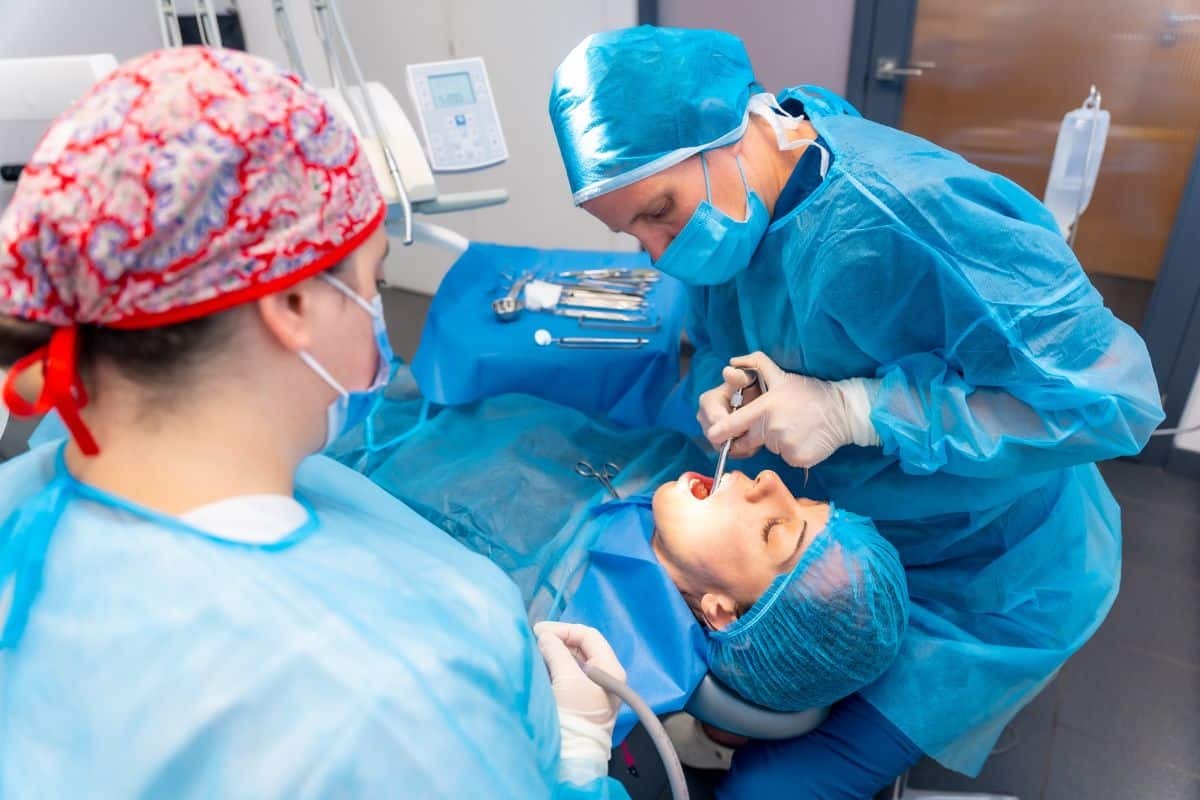
Your periodontist may review your dental history, examine your teeth and gums, and use dental imaging to assess the amount and condition of available bone. The location and size of the bone deficiency are important factors when developing a treatment plan.
The type of graft material and technique can also vary. Options may include your own bone, donor tissue, or synthetic graft materials, depending on the circumstances.
Your periodontist can explain the available options and why a particular approach may be appropriate for you.
Is Dental Bone Grafting Always Necessary for Dental Implants?
No. Not every patient receiving a dental implant needs a bone graft.
If there is enough healthy bone in the correct location to support the planned implant, grafting may not be necessary. If the available bone is insufficient, however, your dental professional may recommend grafting before or as part of implant treatment.
This is why a detailed examination and treatment planning are important before assuming that a bone graft will or won’t be required.
What Is Recovery Like After Bone Grafting?
Recovery varies depending on the size and location of the graft and whether other procedures are performed at the same time.
Some patients experience swelling, tenderness, or mild discomfort during the early healing period. Your dental team will provide specific instructions regarding oral hygiene, diet, medications, activity, and follow-up appointments.
Although the gum tissue may begin healing relatively quickly, the underlying bone can take several months to mature and integrate. Your periodontist will monitor your healing and determine when the site is ready for the next stage of treatment.
Following postoperative instructions and avoiding pressure or trauma to the surgical area can help protect the healing site.
When Should You Talk to a Periodontist About Bone Grafting?
Consider scheduling an evaluation if you’ve been told that you don’t have enough bone for an implant, have experienced significant bone loss, or are concerned about changes in your jaw following tooth loss or periodontal disease.
You don’t need to determine on your own whether you need grafting. A professional examination can help identify the underlying issue and explain your treatment options.
For patients in Manhattan and throughout New York City, Madison Avenue Periodontics provides periodontal and bone-grafting care based on individual treatment needs.
Frequently Asked Questions
What is the main benefit of dental bone grafting?
The main purpose of dental bone grafting is to rebuild or restore areas of lost or deficient jawbone. It may also help create a suitable foundation for certain treatments, including dental implants, when there isn’t enough bone available naturally.
Does everyone with a dental implant need a bone graft?
No. Some patients have sufficient healthy jawbone for implant placement without grafting. Others may need additional bone because of previous tooth loss, periodontal disease, trauma, or other factors. Your treatment plan depends on your individual anatomy and oral health.
How long does a dental bone graft take to heal?
Healing varies according to the size and location of the graft and the individual’s circumstances. Soft tissue may heal sooner, while the underlying bone can require several months to mature and integrate before the next stage of treatment.
Is dental bone grafting painful?
The procedure is performed with anesthesia to keep you comfortable during treatment. Some swelling, tenderness, or discomfort may occur during recovery. Your dental team will provide postoperative instructions and explain how discomfort can be managed.
Can gum disease cause enough bone loss to require a bone graft?
Advanced periodontal disease can damage the bone supporting the teeth. In selected cases, regenerative treatment may be considered to address certain defects. A periodontist can evaluate the condition of the bone and determine what treatment options are appropriate.
Conclusion
The benefits of dental bone grafting go beyond simply adding bone to an area of the jaw. When appropriate, treatment can help rebuild lost bone, support certain dental implant plans, address bone deficiencies, and maintain the structure of an area affected by tooth loss or periodontal disease.
The important point is that bone grafting isn’t automatically necessary for everyone. Your needs depend on the amount and condition of your available bone, your periodontal health, and your long-term treatment goals.
If you’re considering a dental implant, have experienced tooth loss, or have been told that you have insufficient jawbone, a consultation with a periodontist can help you understand your options.
Madison Avenue Periodontics provides periodontal and bone-grafting services in New York City. If you’re researching your treatment options, you can read reviews from our patients on Google to learn more about the experiences of others who have visited the practice.
Call Madison Avenue Periodontics at +1 2127551144 to schedule a consultation and discuss whether bone grafting may be appropriate for your oral health needs.