501 Madison Ave 22nd Floor, New York, NY 10022

Bone Grafting vs. Gum Grafting: What’s the Difference?

When you hear the terms bone grafting and gum grafting, it is easy to assume they are similar procedures. Both are periodontal treatments, but they address different problems. One focuses primarily on rebuilding or preserving bone, while the other addresses deficiencies or recession involving gum tissue.
Understanding the difference can make a treatment recommendation feel much less confusing. If you have been told that you have bone loss, gum recession, or may need an implant, learning about bone grafting procedures in New York can help you understand what treatment may be appropriate and why.
At Madison Avenue Periodontics, treatment is based on the condition of your gums, teeth, supporting bone, and overall treatment goals. The practice provides periodontal and regenerative procedures in Manhattan, including bone grafting and gum grafting.
Quick Answer
Bone grafting rebuilds or preserves lost jawbone, while gum grafting restores or reinforces gum tissue. Bone grafting is often considered when there is insufficient bone for dental implant treatment or when bone has been lost because of tooth loss, periodontal disease, trauma, or other conditions. Gum grafting is generally used to address gum recession, exposed tooth roots, or areas where additional gum tissue is needed.
The appropriate procedure depends on the condition being treated and can only be determined through a professional examination.
What Is Bone Grafting?
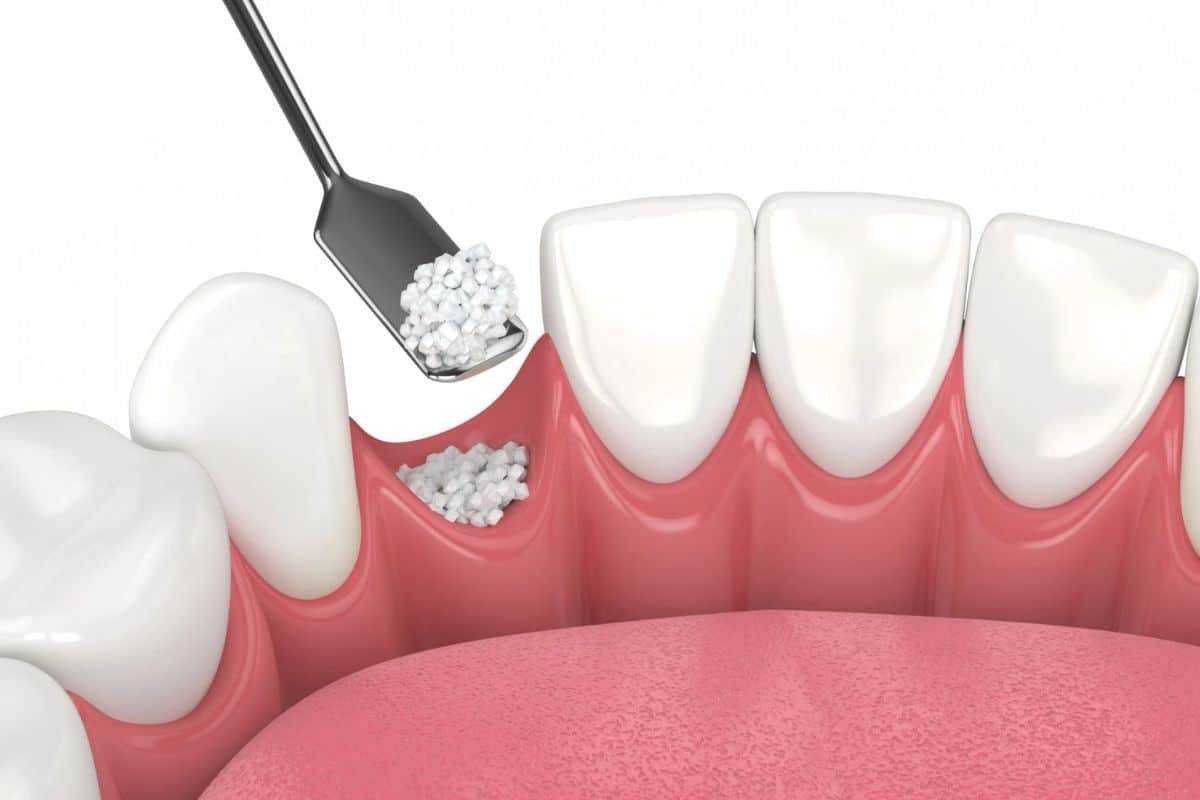
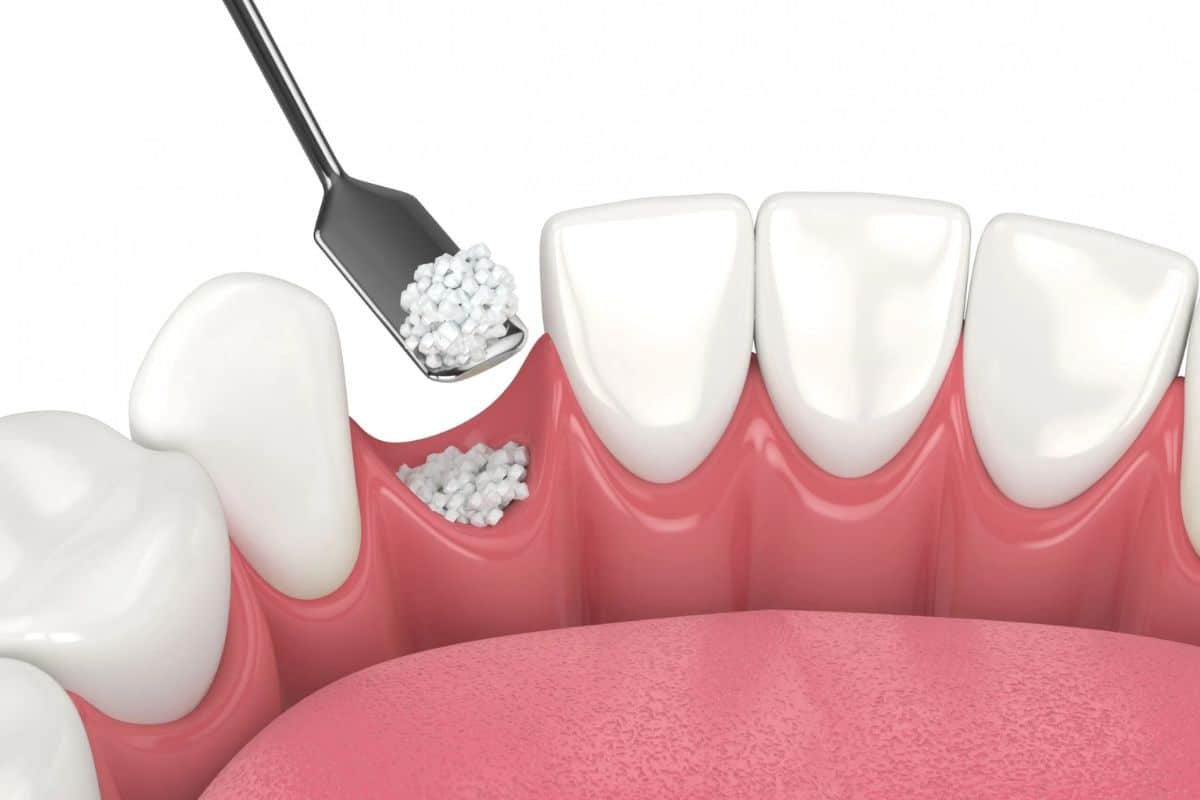
A dental bone graft is a procedure used to rebuild or preserve areas where jawbone has been lost or where additional bone may be needed for planned dental treatment.
Bone loss can occur for several reasons, including tooth loss, periodontal disease, trauma, certain infections, and changes following tooth extraction. If you’re unsure whether bone loss may be affecting your treatment options, understanding the signs you need a bone graft can help you recognize when a professional evaluation may be appropriate.
One common reason for bone grafting is preparation for a dental implant. An implant requires adequate bone in the treatment area for proper support. If the available bone is too narrow, too short, or otherwise insufficient, a periodontist may recommend grafting as part of the overall treatment plan.
Madison Avenue Periodontics provides bone grafting as part of its periodontal services, including procedures such as ridge augmentation and sinus augmentation.
What Happens During Bone Grafting?
The exact procedure depends on the location and extent of bone loss. During an evaluation, your periodontist can examine the affected area and use appropriate dental imaging when necessary to assess the available bone.
A treatment plan may consider:
- The size and location of the bone defect
- The condition of surrounding teeth and gums
- Whether a dental implant is planned
- The type of graft material appropriate for the situation
- Your overall oral health
Bone graft materials may include the patient’s own bone, donor tissue, or synthetic materials. The appropriate option varies from patient to patient.
Healing also takes time. Although the gum tissue may appear healed before the underlying bone is fully mature, bone healing can take several months depending on the procedure and individual circumstances.
What Is Gum Grafting?
Gum grafting is different because it focuses on the soft tissue surrounding the teeth rather than rebuilding the jawbone.
It may be recommended when the gums have receded and exposed part of a tooth root or when there is not enough healthy gum tissue in a particular area.
Gum recession can have several causes, including periodontal disease, aggressive brushing, tooth positioning, orthodontic treatment, and other individual factors.
Depending on the circumstances, a gum graft may help cover exposed root surfaces, increase the amount of gum tissue in an area, or improve the protection and appearance of the gumline.
Why Does Gum Recession Matter?
When gums recede, more of the tooth may become exposed. Some patients notice increased sensitivity, changes in the appearance of their smile, or concerns about the progression of recession.
However, not every case of gum recession requires a gum graft. A periodontist needs to evaluate the cause, severity, location, and condition of the surrounding tissues before recommending treatment.
Bone Grafting vs. Gum Grafting: The Main Differences
The simplest way to understand the distinction is to look at what tissue needs attention.
| Bone Grafting | Gum Grafting |
|---|---|
| Addresses deficiencies or loss involving jawbone | Addresses deficiencies or recession involving gum tissue |
| May be used to prepare an area for dental implants | May be used to address exposed tooth roots or gum recession |
| Focuses on supporting bone | Focuses on soft tissue around the teeth |
| May address bone loss from tooth loss or periodontal disease | May address gum recession from periodontal disease or other causes |
| Healing involves regeneration and maturation of bone | Healing involves the gum tissue and grafted area |
The two procedures are not interchangeable. A patient with significant gum recession may need gum-focused treatment, while someone who lacks adequate bone for an implant may need bone grafting. In some cases, a patient may have both gum and bone concerns, requiring a more comprehensive periodontal treatment plan.
Can You Need Both Bone and Gum Grafting?
Yes, it is possible for a patient to have more than one periodontal concern.
For example, someone who has experienced tooth loss and gum disease could have both reduced bone volume and compromised gum tissue. However, that does not mean both procedures will automatically be necessary.
Your periodontist will evaluate the specific condition of your teeth, gums, and supporting structures before determining which treatments, if any, are appropriate.
This individualized approach is particularly important when dental implants are being considered because the implant site needs to be evaluated for both bone and soft-tissue health.
Which Procedure Is Right for You?
The answer depends on what is causing your oral health concern.
You may be discussing bone grafting if:
- You have been told there is not enough bone for a dental implant.
- You have experienced significant jawbone loss.
- You lost a tooth some time ago and are considering an implant.
- Periodontal disease has affected the supporting bone.
- Your dentist has identified a bone deficiency.
Gum grafting may be discussed if:
- Your gums have receded.
- A tooth root has become exposed.
- You have gum tissue that is thin or insufficient in a particular area.
- You experience sensitivity associated with exposed tooth roots.
- Your periodontist believes additional gum tissue may improve the health or protection of an area.
These are general considerations, not a diagnosis. An examination is necessary to determine which treatment is appropriate for an individual patient.
What About Gum Recession Treatments Other Than Traditional Gum Grafting?
Traditional gum grafting is not the only approach used to address certain gum recession concerns.
Madison Avenue Periodontics also offers the Pinhole Surgical Technique™, which uses specialized instruments to reposition gum tissue through a small access point rather than using the traditional grafting approach described above. Whether this technique is appropriate depends on the individual patient’s condition and anatomy.
That is one reason an evaluation with a periodontist can be useful: different treatment approaches may be available depending on the underlying problem.
Questions to Ask Before Your Procedure
If your dentist or periodontist has recommended grafting, consider asking:
- What caused the bone or gum tissue loss?
- Which tissue needs to be restored?
- Is the procedure related to a planned dental implant?
- What type of grafting procedure is being recommended?
- How long should healing take in my particular case?
- Will additional periodontal treatment be necessary?
- What should I expect during recovery?
Having these questions answered can help you understand the purpose of treatment rather than simply focusing on the procedure’s name.
Choosing a Periodontist in New York
Grafting procedures require careful evaluation because the appropriate treatment depends on the condition of the supporting tissues and the patient’s overall goals.
For patients in New York City, Madison Avenue Periodontics provides specialized periodontal care, including bone grafting, gum grafting, dental implants, periodontal maintenance, and other periodontal procedures. The practice is located at 501 Madison Ave, 22nd Floor, New York, NY 10022.
If you are researching your treatment options, you can also see what patients are saying on Google to learn more about the practice.
FAQs
Is bone grafting the same as gum grafting?
No. Bone grafting and gum grafting address different tissues. Bone grafting is used to rebuild or preserve jawbone, while gum grafting focuses on gum tissue, often in areas affected by recession or exposed tooth roots.
Is bone grafting always needed before a dental implant?
No. Whether bone grafting is needed depends on the amount and quality of bone available at the planned implant site. Your periodontist can evaluate the area and determine whether additional bone is necessary.
Can gum disease cause the need for bone grafting?
Advanced periodontal disease can damage the bone supporting the teeth. If significant bone loss has occurred, a periodontist may consider regenerative or grafting procedures depending on the location and severity of the defect.
Does gum recession always require gum grafting?
No. Gum recession does not automatically mean that a graft is necessary. Treatment depends on the cause, severity, progression, symptoms, and condition of the surrounding tissues.
How do I know whether I need bone grafting or gum grafting?
The best way to determine the appropriate treatment is through a periodontal evaluation. Your periodontist can examine your gums and teeth and use dental imaging when appropriate to assess bone levels and other factors.
Conclusion
The key difference between bone grafting vs. gum grafting is the tissue each procedure is designed to address. Bone grafting focuses on rebuilding or preserving jawbone, while gum grafting addresses deficiencies or recession involving the gums.
Neither procedure is automatically right for every patient. The underlying cause of tissue loss, the condition of your mouth, and your future dental goals all matter when developing a treatment plan.
If you have been told that you have bone loss, gum recession, or may need additional tissue support before dental implant treatment, a consultation with a periodontist can help you understand your options.
For patients in New York City, Madison Avenue Periodontics can evaluate your periodontal health and discuss whether bone grafting, gum grafting, or another treatment approach may be appropriate for your individual needs.