501 Madison Ave 22nd Floor, New York, NY 10022

What Is a Periodontist in NYC? Why Your Dental Health Needs a Specialist’s Care


A periodontist is a gum health expert who specializes in diagnosing, treating, and preventing issues that affect the gums and the structures that support your teeth. But what exactly does a periodontist do, and why should you trust one with certain dental health concerns? Let’s walk through the world of periodontal care and why seeing a specialist can truly change your outcome.
What Is Periodontics, and Why Does It Matter?
Periodontics focuses on the prevention, diagnosis, and treatment of gum disease and other conditions that affect the structures holding your teeth in place, including the jawbone. Your gums are more than just the backdrop to your smile. They’re the foundation of it. Healthy gums protect your teeth, support your overall oral function, and directly impact your general health.
Untreated gum disease can lead to tooth loss, painful infections, and systemic health problems like heart disease and diabetes. That’s why catching and treating periodontal issues early is so important. At Madison Avenue Periodontics in New York, NY, this kind of focused, expert care is what the practice is built around.
The Different Types of Periodontal Services
The team at Madison Avenue Periodontics provides a range of services tailored to maintaining and restoring gum health. Here’s a clear look at the most common treatments offered:
1. Treatment for Gum Disease
Gum disease, also called periodontal disease, is one of the most widespread oral health conditions. It moves through stages:
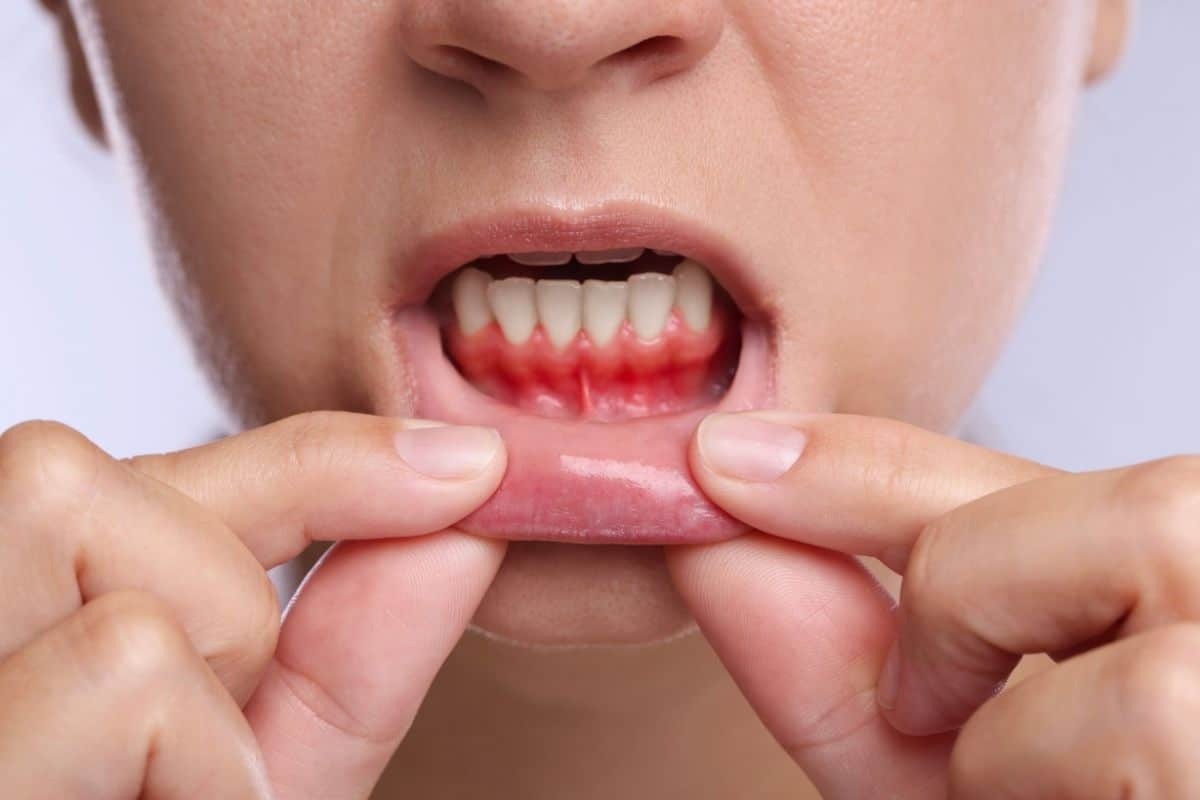
- Gingivitis: The earliest stage, marked by red, swollen, and bleeding gums. At this point, the condition is reversible with professional cleaning and better oral hygiene habits.
- Periodontitis: When gingivitis goes untreated, it advances to periodontitis. Gum tissue and bone begin to break down, leading to loose teeth and possible tooth loss.
A periodontist addresses gum disease using methods like scaling and root planing, which is a deep-cleaning procedure that removes plaque and tartar below the gumline. In more serious cases, surgical intervention may be needed to restore health to the gums and supporting bone.
2. Dental Implant Placement
Losing a tooth can feel overwhelming, but there’s a long-lasting solution: dental implants. For patients in New York, new york dental implants involve titanium posts surgically placed into the jawbone to act as a sturdy base for replacement teeth. What makes a periodontist especially qualified for this procedure is their deep knowledge of the supporting structures of the mouth. That expertise ensures implants are both functional and natural-looking.
3. Bone Grafting
Bone loss is a common result of advanced gum disease or missing teeth. If your jawbone isn’t dense enough to support implants, a periodontist can perform a bone graft to rebuild the structure. The procedure uses natural or synthetic bone material to encourage new bone growth, creating a solid base for future implants or simply improving overall oral health.
4. Gum Grafting
Receding gums expose the roots of your teeth, leaving them more vulnerable to decay, sensitivity, and eventual loss. Gum grafting involves taking tissue, usually from the roof of your mouth, and placing it over the exposed roots to protect them and improve the overall look of your smile.
5. Crown Lengthening and Gummy Smile Treatment
Do you feel like your smile shows more gum than tooth? Or do you need more tooth structure exposed for a dental restoration? Crown lengthening is a procedure that reshapes gum tissue and sometimes the underlying bone to create a more balanced, proportionate smile. The result improves both appearance and gum support.
6. Pocket Reduction Surgery
As gum disease progresses, it creates deep pockets between your teeth and gums where bacteria collect and grow. These pockets can’t be reached with regular brushing or flossing. Pocket reduction surgery removes the bacteria and reduces pocket depth, making it far easier to keep your gums healthy going forward.
7. Periodontal Maintenance
After treatment for gum disease, regular periodontal maintenance is a must. These visits go well beyond a routine dental cleaning. They target areas more prone to bacterial buildup and help keep gum disease from coming back.
Why See a Periodontist Instead of a General Dentist?
It’s a fair question. Here’s why some dental concerns are better handled by a specialist:
- Expertise in Gum and Bone Health: Periodontists complete three additional years of training beyond dental school, focusing entirely on the gums, bone, and supporting structures of the mouth. That depth of knowledge equips them to manage complex cases with real precision.
- Advanced Techniques and Technology: The team at Madison Avenue Periodontics uses the latest methods and imaging technology to treat gum disease, place implants, and restore oral health. Minimally invasive approaches mean better outcomes and faster recovery times.
- Focused Care for Ongoing Issues: If you’ve been managing gum disease or bone loss without lasting results, a periodontist offers targeted solutions built for long-term success. The goal is to address the root cause, not just the symptoms.
- Personalized Treatment Plans: No two patients are the same. The team at Madison Avenue Periodontics builds a customized plan for each patient, based on their specific condition, history, and goals.
Research consistently links gum disease to cardiovascular disease, diabetes, and other systemic conditions, which makes the periodontist’s role more important than many people realize.
When Should You See a Periodontist?
It’s easy to put off a dental visit until something hurts, but there are clear signs that point to the need for specialized care:
- Persistent bad breath
- Red, swollen, or bleeding gums
- Gum recession or exposed tooth roots
- Loose or shifting teeth
- Pain when chewing
- A family history of gum disease
Even without symptoms, a visit to a periodontist can catch early issues before they become serious. For those exploring new york dental implants as a solution to missing teeth, working with a periodontist first ensures the gum and bone foundation is strong enough to support them long-term. Skipping this step is one of the most common reasons implants fail.
Frequently Asked Questions
When should I see a periodontist instead of my regular dentist?
If you have persistent bleeding gums, deep pockets, bone loss, loose teeth, or are considering implants, a periodontist is the right choice.
Is gum disease reversible?
Gingivitis, the early stage, is reversible with proper care and cleaning. Advanced periodontitis is manageable but not fully reversible, which is why early treatment matters so much.
How painful is periodontal treatment?
Most procedures are performed with local anesthesia. Discomfort after treatment is typically mild and can be managed with over-the-counter pain relief.
How long does the dental implant process take?
From placement to the final crown, the process generally takes three to six months. Healing time depends on bone density and overall health.
Does insurance cover periodontal services?
Many dental insurance plans cover a portion of periodontal treatment. It’s always worth checking with your provider ahead of scheduling.
Can gum disease affect my overall health?
Yes. Studies link untreated gum disease to heart disease, diabetes, and pregnancy complications.
How often do I need to come back after treatment?
Most patients schedule maintenance visits every three to four months following active periodontal treatment.
Take the First Step Toward Healthier Gums
Your gums are the unsung heroes of your oral health, and they deserve expert attention. Whether you’re dealing with gum disease, thinking about new york dental implants, or simply want to stay ahead of potential problems, the team at Madison Avenue Periodontics in New York, NY is here to help.
Don’t wait for small problems to grow into bigger ones. Schedule a consultation today and take the first step toward a healthier, more confident smile. You can also contact a local dental office like Madison Avenue Periodontics to ask questions and find out what the right next step looks like for you. Your gums, and your overall health, will thank you.