501 Madison Ave 22nd Floor, New York, NY 10022

Dental Implants in New York: Complete Guide for 2026

If you are living in New York City and dealing with a missing tooth (or several), you already know how much it can affect your day-to-day life. From avoiding your favorite foods at a restaurant in Midtown to feeling self-conscious during a big presentation, the impact goes beyond just your smile.
The good news? Dental implants have transformed restorative dentistry, and right here in New York, patients now have access to some of the most advanced implant technology in the world. At Madison Avenue Periodontics in New York, NY, our team of board-certified specialists has helped hundreds of patients across the five boroughs and beyond reclaim their smiles, their confidence, and their quality of life.
This guide covers everything you need to know about dental implants in New York in 2026, from how they work and what the procedure looks like, to recovery tips that actually speed things up. Whether you are just starting your research or you are ready to schedule a consultation, this is the resource you have been looking for.
What Are Dental Implants, Exactly?
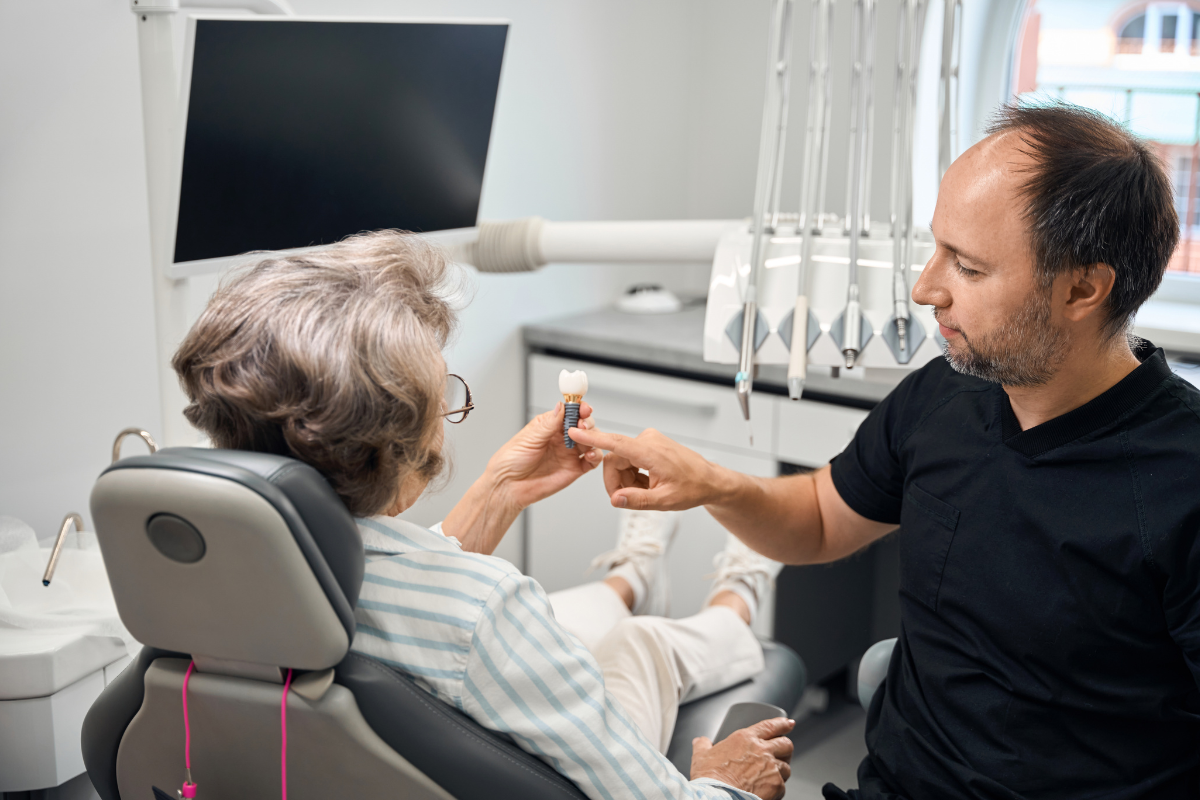
A dental implant is a small titanium post that is placed directly into your jawbone. It acts as a replacement root for a missing tooth. Once the implant fuses with the bone (a process called osseointegration), a custom-made crown is attached on top.
The result looks, feels, and functions just like a real tooth. No slipping. No special adhesive. No diet restrictions after healing. Just a permanent, natural-looking tooth that can last a lifetime with proper care.
Here is why dental implants stand apart from other options:
• They preserve your jawbone. When a tooth is missing, the bone beneath it gradually shrinks. Implants prevent this bone loss, keeping your facial structure intact.
• They protect neighboring teeth. Bridges require grinding down healthy adjacent teeth. Implants do not touch your other teeth at all.
• They are a long-term investment. With proper care, implants can last 20 to 30 years or even a lifetime. Traditional bridges typically need replacement every 10 to 15 years.
• They are the closest thing to natural teeth. Patients consistently report that implants feel completely natural, unlike dentures.
Meet the Specialists Behind Your New Smile
One thing that sets Madison Avenue Periodontics apart is the depth of expertise on our team. You are not seeing a general dentist who occasionally places implants. You are working with dedicated periodontal specialists who focus on implant placement as a core part of their practice.
Dr. Matthew Neary, DDS
Dr. Neary brings a patient-first philosophy to every case. His focus is on precise, minimally invasive implant placement that reduces recovery time and delivers aesthetically excellent results. New York patients appreciate his clear, no-jargon communication style that helps them feel genuinely informed at every step.
Dr. John Lanzetta, DMD
Dr. Lanzetta combines advanced surgical training with a calm, reassuring chairside manner. He specializes in complex cases including patients who have experienced significant bone loss, making him a trusted choice for patients who have been told elsewhere that they are not candidates for implants.
Dr. Chris Chondrogiannis, DDS
Dr. Chondrogiannis is known for his meticulous approach to implant surgery and his strong focus on long-term outcomes. He stays current with the latest research in implant dentistry, ensuring that patients at Madison Avenue Periodontics benefit from today’s best techniques and materials.
Dr. Ferris Elhein, DDS
Dr. Elhein brings expertise in full-mouth reconstruction and implant-supported prosthetics. For patients who need multiple teeth replaced, his comprehensive treatment planning approach ensures a seamless experience from the first consultation through final restoration.
The Dental Implant Process at Madison Avenue Periodontics
We know that for many New York patients, one of the biggest concerns about New York dental implants is not knowing what to expect. Here is a straightforward breakdown of how the process works at our practice.
Step 1: Comprehensive Consultation
Your journey begins with a thorough evaluation. We take 3D cone beam CT scans to assess your bone density and structure, review your medical and dental history, and discuss your goals. This is where your custom treatment plan is built.
Step 2: Implant Placement
Under local anesthesia (sedation is available for anxious patients), the titanium implant post is placed into the jawbone. Most patients are surprised by how manageable the procedure feels. For many, it is less uncomfortable than a tooth extraction.
Step 3: Osseointegration (Healing Period)
Over the next 3 to 6 months, the implant fuses with your jawbone. This is the foundation that gives implants their incredible stability. During this time, you will have a temporary restoration in place so your smile looks complete.
Step 4: Crown Placement
Once the implant has fully integrated, your custom ceramic crown is attached. It is color-matched to your surrounding teeth and designed to function exactly like a natural tooth. At this point, most patients say they forget the implant is even there.
8 Tips for a Faster, Smoother Recovery After Dental Implant Surgery
Recovery is where patients can make a real difference in how quickly and comfortably they heal. These are the same recommendations our specialists at Madison Avenue Periodontics give to every patient before they leave the office.
1. Follow Your Post-Op Instructions to the Letter
This sounds obvious, but it is the most important thing you can do. Your post-operative instructions are personalized to your case. Take your prescribed medications on schedule (even if you are not in pain), avoid the specific activities listed, and call us immediately if something does not feel right. Following these instructions reduces your risk of infection and implant failure significantly.
2. Use Cold Compresses in the First 48 Hours
Swelling is normal after implant surgery. Apply an ice pack wrapped in a cloth to the outside of your cheek for 20 minutes on, then 20 minutes off. Do this consistently during the first two days. It significantly reduces both swelling and discomfort. Do not apply ice directly to the skin.
3. Rest (Seriously, New York, Rest)
We know New York does not slow down, but you need to for at least 24 to 48 hours after your surgery. Avoid strenuous activity, heavy lifting, and anything that raises your heart rate significantly. Increased blood pressure can cause excess bleeding at the surgical site and slow down the early healing process.
4. Stick to Soft Foods (Your Jaw Will Thank You)
For the first 1 to 2 weeks, give your implant site a break from hard, crunchy, or chewy foods. Good options include:
• Scrambled eggs, yogurt, and smoothies
• Mashed potatoes, soft rice, and cooked vegetables
• Soups (not too hot), soft pasta, and fish
• Avocado, bananas, and well-cooked oatmeal
Avoid hard nuts, chips, raw vegetables, and chewy meats near the implant site.
5. Keep Up With Oral Hygiene (Gently)
A clean mouth heals faster. On the day of surgery, rinse gently with warm salt water instead of brushing the surgical area. From the next day onward, brush the rest of your teeth carefully and continue rinsing with salt water after meals. Good oral hygiene is your single biggest weapon against peri-implantitis, which is an infection that can threaten the implant.
6. No Smoking or Alcohol During Recovery
Smoking is one of the leading causes of dental implant failure. It restricts blood flow to the surgical site, slows healing, and dramatically increases infection risk. Research published by the National Institutes of Health confirms that smokers face significantly higher implant failure rates. Alcohol can also thin the blood and interfere with healing. We ask patients to avoid both for at least 2 weeks post-surgery, and ideally longer.
7. Attend Every Follow-Up Appointment
Your follow-up visits at Madison Avenue Periodontics are not optional extras. They are where we monitor osseointegration, check for any early signs of infection, and make sure everything is on track. New York patients with busy schedules sometimes try to skip these, but catching a small issue early is far easier (and less costly) than addressing a complication later.
8. Ask About Bone Grafting if Bone Loss Is a Concern
Some patients in New York come to us having been told they do not have enough bone for an implant. This is where a bone graft can help. A bone graft builds up the jawbone to provide a stable foundation for the implant. At Madison Avenue Periodontics, our specialists perform sinus lifts, ridge augmentations, and other advanced bone grafting procedures that open up implant options for patients who thought they had none.
Types of Dental Implant Solutions We Offer in New York
Not every patient needs the same solution. At Madison Avenue Periodontics in New York, NY, we offer a full range of implant options:
Single Tooth Implants
Perfect for replacing one missing tooth without affecting surrounding teeth. This is the gold standard for single-tooth replacement.
Implant-Supported Bridges
When two or more adjacent teeth are missing, an implant-supported bridge avoids the need for one implant per tooth while still preserving bone.
All-on-4 and All-on-6 Implants
For patients missing all or most of their teeth, these full-arch solutions replace an entire row of teeth using just 4 to 6 implants. Life-changing for the right candidates.
Mini Dental Implants
A narrower implant option for patients with limited bone density who need a less invasive solution, often used to stabilize lower dentures.
Immediate Load Implants (‘Same-Day Teeth’)
In select cases, a temporary crown can be placed the same day as the implant, getting you out of the chair with a complete smile in a single visit.
What Do Dental Implants Cost in New York?
Cost is always a real question, and we believe in being upfront about it. In New York City, a single dental implant (including the implant post, abutment, and crown) typically ranges from $3,500 to $6,000 or more depending on complexity, location in the mouth, and whether preparatory procedures like bone grafting are needed.
While the upfront cost is higher than a bridge or denture, consider the lifetime value. A well-placed implant can last 25 to 30 years, while bridges typically need replacement every 10 to 15 years. Over time, implants often prove to be the more economical choice.
We work with most major dental insurance plans and offer financing options to make treatment accessible. During your consultation, you will receive a detailed, transparent cost breakdown before any treatment begins.
Ready to Get Started? Schedule Your Consultation Today
If you are searching for dental implants in New York with a team that combines genuine expertise, proven technology, and a caring approach, you have found it. The specialists at Madison Avenue Periodontics are ready to evaluate your unique situation and create a plan that fits your needs and your life.
Here is what to expect at your first visit:
• A thorough oral and radiographic examination with 3D imaging
• An honest assessment of your candidacy for implants
• A full review of your treatment options with no pressure to commit
• A clear, itemized cost estimate so you can plan accordingly
Contact Madison Avenue Periodontics, New York, NY
Location: New York, NY
Website: www.madisonavenueperiodontics.com
Our periodontal specialists, Dr. Matthew Neary DDS, Dr. John Lanzetta DMD, Dr. Chris Chondrogiannis DDS, and Dr. Ferris Elhein DDS, are ready to help you take the first step.
Frequently Asked Questions About Dental Implants in New York
Does the dental implant procedure hurt?
Most patients report that the procedure itself is comfortable because it is performed under local anesthesia. You will feel pressure but not sharp pain during placement. Afterward, mild soreness and swelling for 3 to 5 days is typical, and this is well-managed with over-the-counter pain relievers or a prescribed medication. Many of our New York patients say they were surprised by how manageable the discomfort was.
How long does the entire implant process take?
The full process from consultation to final crown placement typically takes 3 to 9 months, depending on whether preparatory procedures like bone grafting are needed. The majority of that time is simply waiting for osseointegration (the implant fusing with the bone) to complete. If you qualify for immediate-load implants, a temporary restoration may be placed the same day as surgery.
Am I a good candidate for dental implants in New York?
Most healthy adults are candidates for dental implants. The key requirements are adequate jawbone density, healthy gums, and good overall health. Conditions like uncontrolled diabetes, certain medications, and heavy smoking can affect candidacy. Even patients who have been told elsewhere they lack sufficient bone may qualify after a bone grafting procedure. The best way to find out is through a consultation with one of our specialists.
Does dental insurance cover dental implants?
Coverage varies widely. Many dental insurance plans still classify implants as cosmetic, although this is changing as implants become the recognized standard of care. Some plans cover portions of the procedure, such as the crown or the consultation. We work with most major insurance providers and will help you understand your benefits clearly before treatment begins. Financing options are also available.
How long do dental implants last?
With proper care, dental implants can last a lifetime. The implant post (the titanium screw in the bone) is designed to be permanent. The crown on top may need replacement after 15 to 25 years due to normal wear. Maintaining good oral hygiene and attending regular check-ups at Madison Avenue Periodontics significantly extends the life of your implants.
What is the difference between a periodontist and a regular dentist for implant placement?
A periodontist is a dental specialist with 3 additional years of training beyond dental school specifically focused on the gums, bone, and supporting structures of teeth. This specialized training makes periodontists especially qualified for implant placement, bone grafting, and managing the complex tissue environment around implants. At Madison Avenue Periodontics, your implant is placed by a specialist, not a generalist.
What happens if the dental implant fails?
Implant failure is uncommon (success rates are consistently above 95% in healthy patients), but it can happen. Signs include persistent pain, implant loosening, or infection. If a failure occurs, the implant is removed, the site is allowed to heal, and in most cases the implant can be re-placed successfully. Our team monitors your recovery closely to catch any issues early.
Can I get dental implants if I have gum disease?
Active gum disease must be treated before implant placement. Gum disease affects the bone and tissue that support the implant, so placing an implant in an unhealthy environment significantly raises the risk of failure. The good news is that as periodontists, our team at Madison Avenue Periodontics specializes in treating gum disease, so we can get your mouth healthy and implant-ready within the same practice.
Conclusion: Your Smile Is Worth It
Missing teeth affect far more than your appearance. They impact how you eat, how you speak, how you feel walking into a room, and your long-term jaw and bone health. Dental implants are the most complete, lasting solution modern dentistry offers, and New York patients deserve access to the best.
At Madison Avenue Periodontics in New York, NY, our team of specialists including Dr. Matthew Neary, Dr. John Lanzetta, Dr. Chris Chondrogiannis, and Dr. Ferris Elhein has the training, the technology, and the commitment to deliver outstanding results for each patient, from the first consultation to the final crown.If you are ready to explore New York dental implants with a team you can trust, we would love to meet you. Schedule your consultation today and take the first real step toward a complete, confident smile.