501 Madison Ave 22nd Floor, New York, NY 10022

Diabetes and Gum Disease: What NYC Patients Should Know

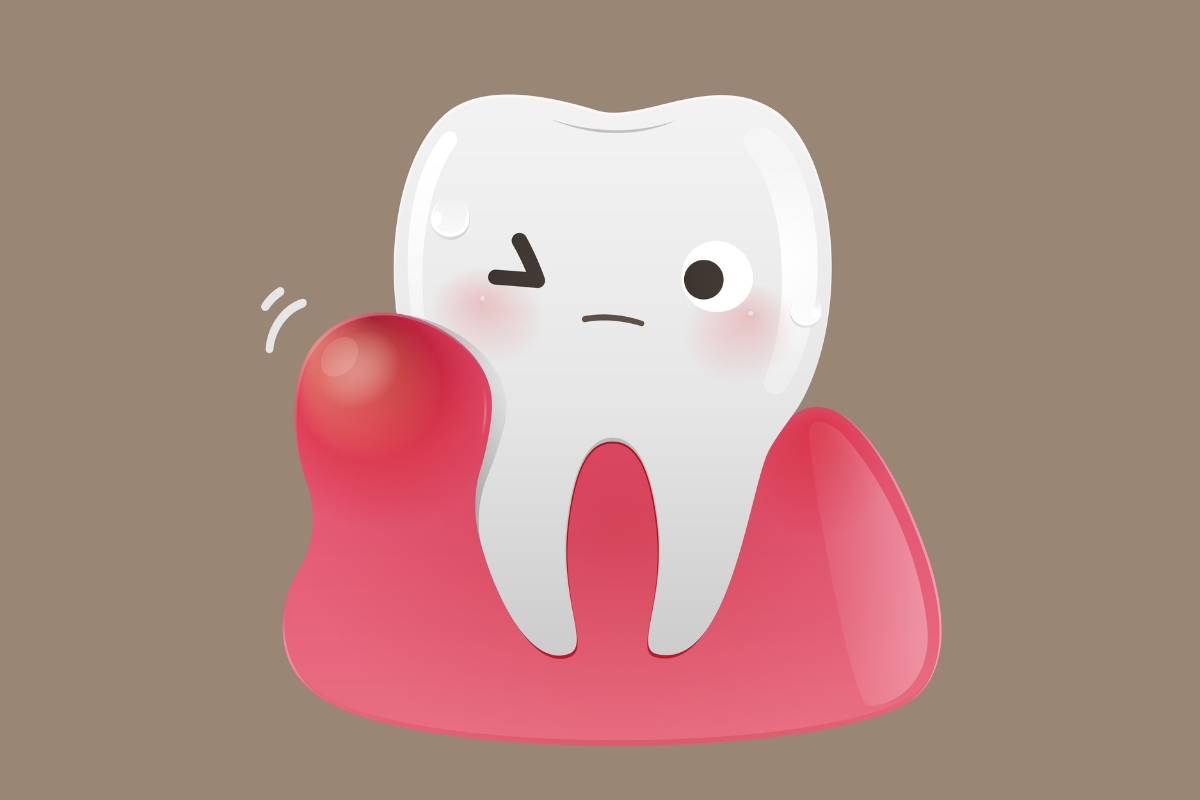
If you have diabetes, your dentist visits matter more than most people realize. The link between blood sugar and gum health is real, well-researched, and something every New York patient with diabetes should understand. And if tooth loss is part of your picture, knowing your options for dental implants in New York is just as important as managing your condition.
The Connection Between Diabetes and Your Gums
Diabetes affects how your body handles infection. High blood sugar weakens the immune response and makes it harder for the body to fight bacteria. Your mouth is full of bacteria. When those two facts meet, trouble follows.
People with poorly controlled diabetes are more likely to develop gum disease, and they tend to develop it faster. At the same time, severe gum disease can make blood sugar harder to control. It is a two-way relationship, and breaking that cycle starts with taking both conditions seriously.
The American Diabetes Association recognizes gum disease as a complication of diabetes. That alone should tell you how closely these two are tied.
Why NYC Patients Face Unique Challenges
New York City has a high rate of diabetes, especially in communities with limited access to regular dental care. Busy schedules, high costs, and the habit of putting off non-emergency appointments all add up. By the time many patients seek help, gum disease has already moved past the early stages.
For patients who have already lost teeth due to gum disease or complications from diabetes, finding quality “dental implants near me“ becomes a serious question. Implants can restore function and prevent further bone loss, but they require careful evaluation when diabetes is involved.
How Gum Disease Progresses in Diabetic Patients
Stage 1: Gingivitis
The gums look red, feel puffy, and bleed when brushed. At this stage, the damage is still reversible with proper cleaning and care. Many diabetic patients brush this off as normal. It is not.
Stage 2: Early to Moderate Periodontitis
Bacteria move below the gumline. Pockets form between the teeth and gums. Bone begins to break down. This stage needs professional treatment, not just better brushing.
Stage 3: Severe Periodontitis
Significant bone loss, loose teeth, and possible tooth loss. At this point, treatment is more involved and recovery takes longer, especially for patients with uncontrolled blood sugar. This is also where questions about replacing lost teeth, including options for new york dental implants, become part of the conversation.
Warning Signs to Watch For
Do not wait for pain to seek care. Gum disease is often painless until it is advanced. Watch for these signs instead:
- Gums that bleed during brushing or flossing
- Gums that look like they are pulling away from your teeth
- Persistent bad breath that does not go away
- Teeth that feel loose or have shifted position
- Swollen or tender gum tissue
- Changes in how your bite feels
If you have diabetes and notice any of these, that is a reason to see a gum specialist, not just your regular dentist.
What Treatment Looks Like for Diabetic Patients
Treatment is very much possible, even with diabetes. The key is coordination between your dental team and your physician. Blood sugar needs to be reasonably stable before and after procedures. Healing may take a bit longer, but outcomes are still strong when care is managed properly.
A periodontist will typically start with a deep cleaning called scaling and root planning. This removes bacteria and buildup from below the gumline. From there, maintenance visits every three to four months help keep the condition under control.
For patients who have lost teeth and want a permanent solution, a specialist familiar with dental implants near me options will evaluate bone density, blood sugar levels, and gum health before recommending next steps. According to the American Academy of Periodontology, diabetic patients can achieve successful implant outcomes with proper planning and glucose management.
Steps You Can Take Right Now
Managing both conditions together gives you the best shot at keeping your teeth and your health in good shape. Here is what helps:
- Keep your blood sugar as stable as possible
- Brush twice a day and floss once daily
- See your dentist and periodontist on a regular schedule
- Tell your dental team about your diabetes and any medications you take
- Do not smoke. Smoking makes gum disease worse and slows healing significantly
- Ask your doctor and dentist to stay in touch about your overall care
The National Institute of Dental and Craniofacial Research notes that people who manage their diabetes well tend to have better gum health outcomes. The connection is that direct.
Can Diabetic Patients Get Dental Implants?
Yes, in most cases. Diabetes used to be seen as a barrier to implants, but that view has changed. With well-controlled blood sugar and healthy enough bone, many diabetic patients are good candidates. A specialist offering new york dental implants will review your full health picture before making a recommendation.
The key factors are bone volume, gum health, and how well your blood sugar is being managed. If any of those need work first, the specialist will guide you through that process before moving forward.
Frequently Asked Questions
Q: Does diabetes cause gum disease?
Diabetes does not directly cause gum disease, but it raises the risk significantly. High blood sugar weakens your immune response, making it easier for bacteria to damage gum tissue and bone.
Q: Can treating gum disease help control blood sugar?
Research suggests it can. Reducing gum inflammation may help lower HbA1c levels in some patients. It is not a replacement for diabetes management, but it does appear to support it.
Q: How often should a diabetic patient see a periodontist?
Most specialists recommend visits every three months rather than the standard six. This tighter schedule helps catch and manage changes before they progress.
Q: Are dental implants safe for people with diabetes?
For patients with well-controlled blood sugar and adequate bone, implants are generally safe and effective. Your care team will assess your readiness and guide the timing.
Q: What blood sugar level is safe for dental procedures?
Most dental specialists prefer an HbA1c below 7 to 8 percent before major procedures. Your physician and dental team will coordinate on this together.
Q: Is gum disease treatment covered by insurance for diabetic patients?
Many dental insurance plans cover periodontal treatment. Some medical insurance plans also cover related care for diabetic patients. It is worth checking both before your appointment.
Q: What makes gum disease harder to treat in diabetic patients?
High blood sugar slows healing and can reduce the effectiveness of the immune system. This means gum disease tends to be more severe and takes longer to respond to treatment. Stable glucose control makes a real difference in outcomes.
Your Gums and Your Health Deserve the Same Attention
Living with diabetes means staying on top of more than just blood sugar. Your gum health is part of that picture, and getting the right care early makes a meaningful difference.
Whether you are dealing with early gum changes, managing active gum disease, or exploring tooth replacement options, the team at Madison Avenue Periodontics in New York, NY is here to help you make informed decisions without pressure.
Take the first step today. Schedule a consultation with a periodontal specialist who understands the full scope of diabetic oral health. You can also contact a local dental office you already see and ask for a referral. Either path leads to better care and a clearer plan for your health.
Your smile is worth protecting. So is everything connected to it.