501 Madison Ave 22nd Floor, New York, NY 10022

How to Avoid Tooth Loss in Your 30s & 40s


Most people assume tooth loss is something that happens much later in life. The truth is, it often starts quietly in your 30s and 40s, driven by gum disease, poor habits, and missed dental visits. Catching the early signs and making small changes now can protect your teeth for decades. Residents across New York seek dental implants as a permanent fix when a tooth is already gone, and for good reason. They look and function just like the real thing.
Why Your 30s and 40s Are a Critical Window
Life gets busy in your 30s and 40s. Work pressure, family duties, and packed schedules push dental care down the list. But this is exactly when gum disease tends to take hold. Gum disease is the leading cause of tooth loss in adults, and according to the CDC, nearly half of adults over 30 have some form of it. Most do not even know.
The damage does not happen overnight. It builds slowly over months and years. By the time a tooth feels loose or painful, significant bone loss may have already occurred. That is why acting early matters so much.
The Main Causes of Early Tooth Loss
Gum Disease Left Untreated
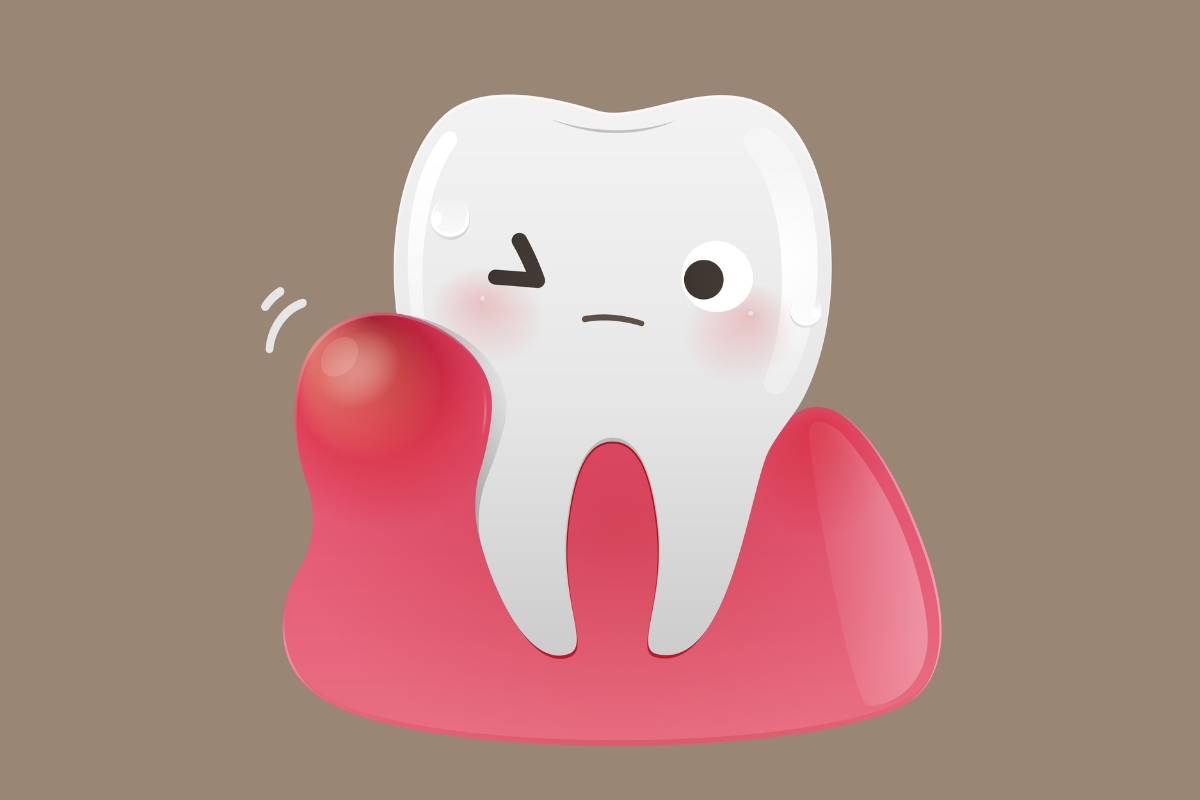
Gum disease starts as gingivitis, which causes red, swollen, or bleeding gums. If not treated, it moves into periodontitis, which destroys the bone and tissue holding your teeth in place. At that stage, teeth can loosen and fall out. Routine cleanings and early treatment stop this progression before it reaches that point.
Skipping Dental Visits
Many adults in their 30s and 40s go years without a dental checkup. A dentist or gum specialist can spot warning signs you cannot see or feel. Skipping visits gives small problems room to grow into serious ones.
Grinding Your Teeth at Night
Stress-related teeth grinding (bruxism) wears down enamel, cracks teeth, and puts strain on the jaw. Over time, it weakens the structure of your teeth. A simple night guard can prevent most of this damage.
Smoking and Tobacco Use
Smoking reduces blood flow to the gums and slows healing. Smokers are significantly more likely to develop gum disease and lose teeth compared to non-smokers. Quitting is one of the best things you can do for your oral health at any age.
Poor Blood Sugar Control
Diabetes and high blood sugar weaken the body’s ability to fight infection. Gum disease and diabetes have a two-way relationship: each makes the other worse. If you have diabetes, staying on top of your gum health is not optional. The American Dental Association outlines this connection clearly and recommends more frequent dental visits for diabetic patients.
Simple Habits That Protect Your Teeth Long-Term
None of these require major changes. They just require consistency.
- Brush twice a day with a soft-bristle brush and fluoride toothpaste. Two minutes each time, not thirty seconds.
- Floss every single day. Flossing removes plaque from between teeth where your brush cannot reach. It is one of the most effective things you can do.
- See your dentist every six months. Even if nothing hurts, a professional cleaning removes tartar that brushing cannot.
- Watch for early warning signs like bleeding gums, sensitivity, or gums that look like they are pulling back from your teeth.
- Limit sugary drinks and snacks. Sugar feeds the bacteria that cause decay and gum disease.
- Stay hydrated. A dry mouth increases bacterial growth and raises your cavity risk.
When a Tooth Is Already Lost: What Are Your Options?
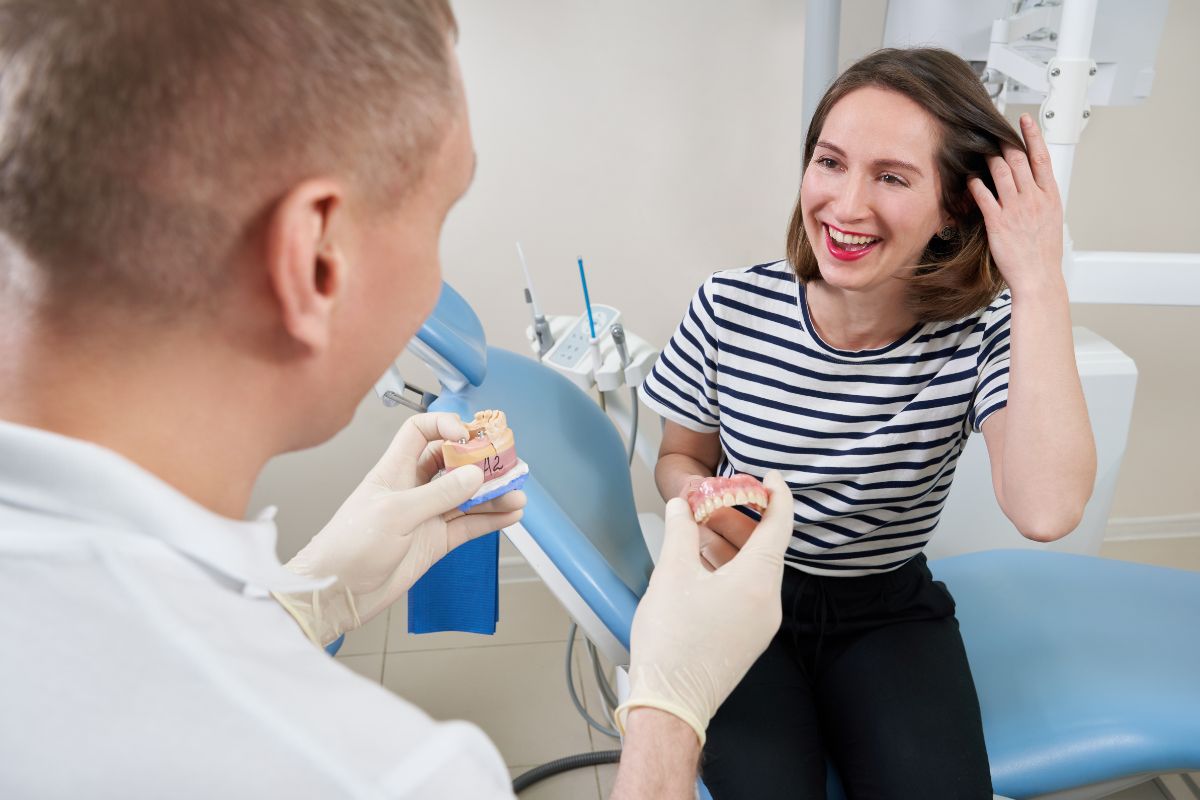
If a tooth is already gone, the gap left behind is more than a cosmetic issue. The bone under a missing tooth starts to shrink within months because it has nothing to support. This can change the shape of your face over time and make neighboring teeth shift.
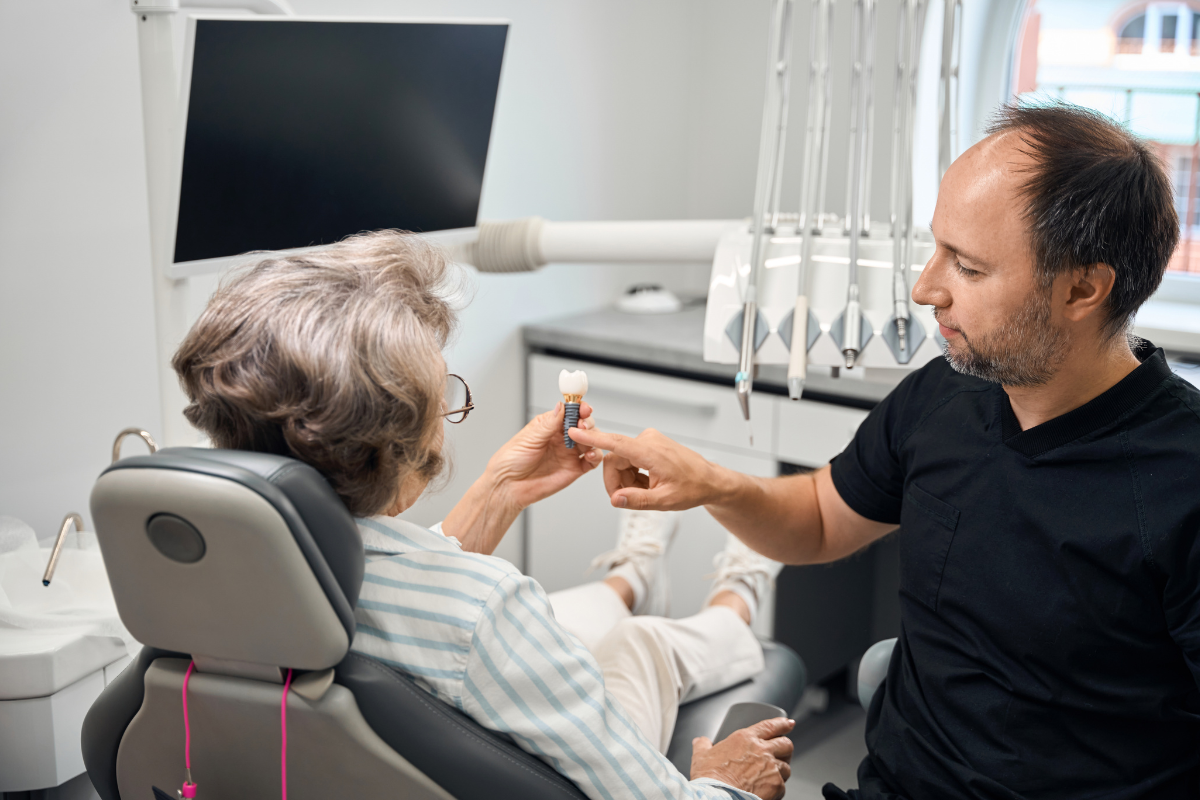
For many patients in the city, New York dental implants have become the go-to solution. An implant is a small titanium post placed in the jawbone. It acts like a natural tooth root and supports a crown on top. It looks, feels, and functions like a real tooth. The American Academy of Periodontology recognizes implants as one of the most reliable long-term replacements for missing teeth when placed in healthy bone and gum tissue.
Not everyone is a candidate right away. Bone density, gum health, and overall medical history all play a role. A specialist evaluates these factors before recommending the right path forward.
Frequently Asked Questions
Q: Is it normal to lose teeth in your 30s or 40s?
It is more common than most people expect, but it is not inevitable. With proper care and early treatment of gum disease, most adults can keep their natural teeth well into old age.
Q: What does early gum disease feel like?
Gums that bleed when you brush, bad breath that does not go away, or gums that look red or puffy are early signs. Many people feel no pain at all in the early stages, which is why regular checkups are so important.
Q: Can gum disease be reversed?
Early-stage gum disease (gingivitis) can be fully reversed with a professional cleaning and better home care. Advanced gum disease (periodontitis) can be managed and stopped from getting worse, but the bone and tissue already lost do not grow back on their own.
Q: How long do dental implants last?
With proper care, implants can last 20 years or more. Some patients keep them for life. The key is maintaining healthy gums around the implant and staying current with dental visits.
Q: Does smoking affect my chances of keeping my teeth?
Yes, significantly. Smokers are up to twice as likely to develop gum disease and experience tooth loss. Smoking also slows healing after any dental treatment, including implant surgery.
Q: How often should I see a dental specialist in my 30s and 40s?
At minimum, every six months for a general cleaning. If you have risk factors like diabetes, a family history of gum disease, or early signs of periodontitis, your dentist may recommend visits every three to four months.
Q: Is tooth loss in New York more common due to lifestyle factors?
Urban stress, demanding schedules, and delayed dental visits all raise the risk. New Yorkers in particular often skip routine checkups for months or years at a time. The good news is that specialist care in the city is highly accessible when you decide to act.
Your Teeth Are Worth Protecting Now, Not Later
The steps you take in your 30s and 40s determine what your smile looks like at 60 and beyond. Waiting until something hurts almost always means more complex and costly treatment down the road.
At Madison Avenue Periodontics in New York, NY, we work with patients at every stage, whether you are trying to prevent tooth loss, slow down gum disease, or explore replacement options. Our team gives you a clear picture of where your gum health stands and what makes sense for your situation.
Take the first step today. Schedule a consultation with our office and get a full evaluation of your gum health. You can also contact a local dental office you already see and ask whether a gum specialist visit makes sense for you. Either path leads in the right direction.
Your smile at 50 starts with the choices you make right now.