501 Madison Ave 22nd Floor, New York, NY 10022

How Does a Periodontist Treat Gum Disease Before Dental Implants Are Placed?


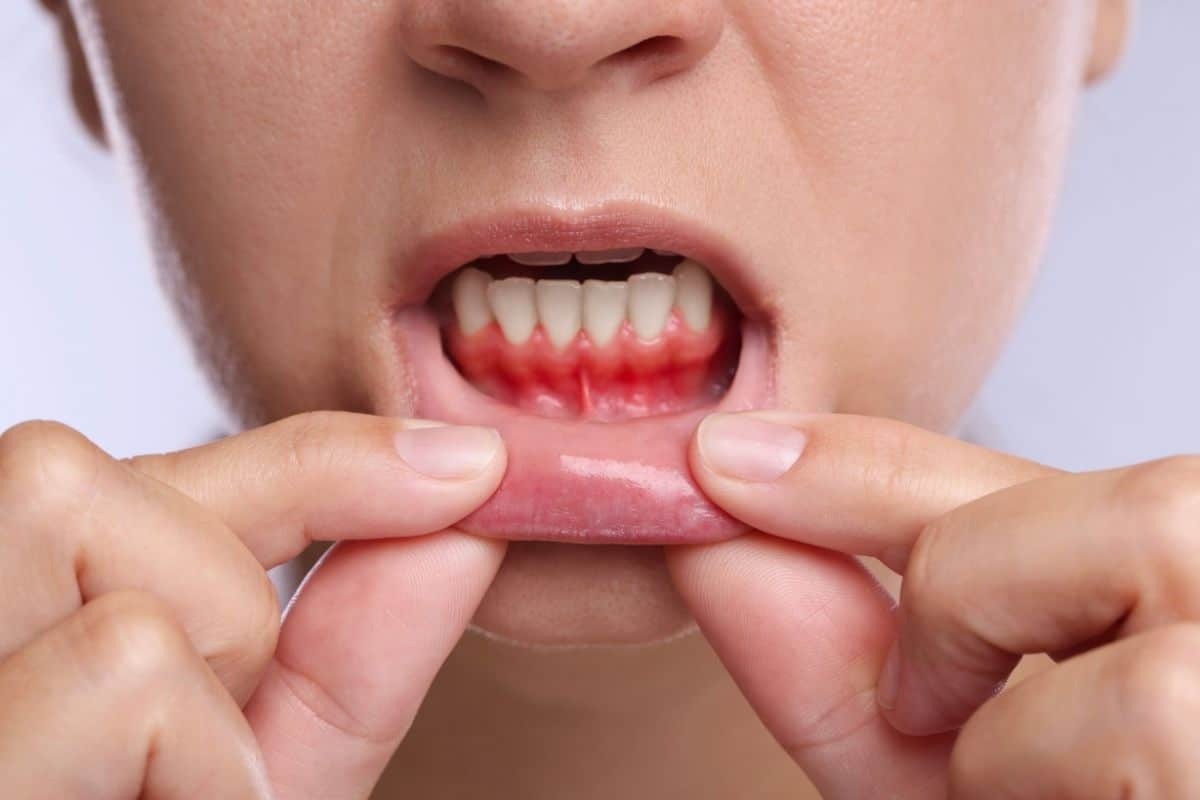
When patients in New York come in for dental implants, the first question they often ask is whether their gums are healthy enough for the procedure. A periodontist evaluates and treats gum disease before implants are placed because any active infection can weaken the bone and soft tissue needed to support the implant. Addressing gum disease early gives the implant the best chance to integrate successfully and remain stable for many years.
Why Patients Need Strong Gum Health Before Dental Implants
Living and working in New York often means a fast-paced lifestyle, and gum disease can progress quietly in its early stages. When infection is present, the bone that anchors teeth begins to break down. A periodontist is trained to diagnose these issues with precision and provide treatments that stabilize the gums before implant planning begins. This approach helps avoid complications during surgery and promotes better long-term healing.
Healthy gums create the foundation for dental implants, and the expertise of a specialist in periodontics in New York ensures that the implant site is fully prepared before moving forward.
Step One: Comprehensive Periodontal Evaluation
An experienced periodontist begins with a detailed evaluation. This includes measuring gum pockets, checking for bleeding and inflammation, studying bone levels through digital imaging, and reviewing the patient’s medical history. New York residents often have diverse health backgrounds, and understanding these factors helps in customizing a predictable treatment plan.
This evaluation also provides an early understanding of how the gums will respond to therapy, which is essential for long-lasting implant success.
Step Two: Non Surgical Treatments for Early to Moderate Gum Disease
If gum disease is detected early, non surgical therapy is typically the first step.
Deep Cleaning to Control Bacteria
Scaling and root planing removes plaque and hardened deposits from below the gumline. This reduces inflammation and allows the gums to reattach to the roots. Many patients in New York respond well to this treatment, especially when combined with improved home care.
Antibacterial Therapy
Your periodontist may place a localized antibiotic or prescribe medication to further reduce bacterial activity. These treatments help stabilize the gum tissue before planning for dental implants.
Maintenance visits are essential after this stage. Consistent follow up allows the periodontist to monitor healing and control any areas where infection may return.
Step Three: Surgical Care When Advanced Gum Disease Has Caused Damage
Some patients arrive with advanced gum disease that has already caused bone loss. In these cases, surgical procedures help restore the supporting structures that dental implants depend on.
Pocket Reduction Surgery
This treatment removes diseased tissue and decreases the depth of pockets around the teeth. It also improves access for ongoing cleaning, which is important when planning for implants in the future.
Regenerative Treatments
Bone loss is common among patients who had untreated or chronic gum disease. Regenerative therapy uses bone grafts, growth factors, and specialized membranes to rebuild the bone. These treatments are widely used in New York implant dentistry and provide a healthier, denser foundation for implant placement.
As the bone rebuilds, the periodontist is able to predict the ideal implant position and create a safer, more stable site.
Step Four: Bone Grafting to Strengthen the Implant Area
When the bone is not thick or tall enough to support an implant, bone grafting becomes necessary. This may involve socket preservation after an extraction, ridge augmentation to rebuild thin bone, or sinus elevation for the upper jaw.
New York patients often choose implants for their durability, and bone grafting helps give the implant the strength and volume it needs to last. This stage also reflects an important part of how periodontists extend the lifespan of dental implants by reinforcing the structures that support them long before the implant is placed.
Step Five: Treating Gum Recession
Gum recession is another common result of chronic periodontal issues. Before implants are placed, some patients benefit from gum grafting to improve the thickness of the gum tissue around the implant site. Strong, healthy soft tissue protects the implant from future inflammation and improves the overall appearance of the final restoration.
Step Six: Creating a Customized Implant Plan After Gum Disease is Treated
Once the gums have healed and the bone is stable, the periodontist designs a personalized implant plan. This includes selecting the implant type, evaluating bone quality, determining the placement angle, and coordinating with the restorative dentist who will create the crown.
Patients in New York often appreciate the predictable nature of this planning process. It gives them a clear understanding of each phase and allows them to make informed decisions about their oral health.
Periodontist’s Expertise that Supports Lasting Implant Results
A periodontist plays a critical role in preparing the gums and bone for implants. By identifying gum disease early, treating infection, rebuilding bone, and strengthening soft tissue, the entire implant process becomes more predictable and more secure. Patients in New York who want long-lasting dental implants benefit greatly from this specialized approach because it focuses on long-term function rather than short-term results.
If you are considering dental implants but are unsure about the health of your gums, the first step is a thorough periodontal evaluation. Understanding the condition of your gums helps you plan treatment confidently and ensures that your implants are placed on the strongest possible foundation. You can schedule your consultation with Madison Avenue Periodontics to learn what your gums need before moving forward with implants.
FAQs
Why does a periodontist check for gum disease before dental implants?
A periodontist evaluates gum health to make sure there is no active infection that could compromise the implant. Healthy gums and strong bone are essential for the implant to integrate properly. Treating gum disease early creates a safe and stable foundation for long-term results.
Can I get dental implants if I already have gum disease?
Yes, many patients with gum disease can still receive implants after proper treatment. Your periodontist will first control the infection and rebuild any damaged bone or tissue. Once the gums have healed, implant placement becomes much more predictable.
What treatments are needed if gum disease has caused bone loss?
If bone loss is present, a periodontist may recommend bone grafting or regenerative procedures to strengthen the area. These treatments help rebuild the natural support that dental implants rely on. After healing, the site is usually ready for implant placement.
How long does gum disease treatment take before implants can be placed?
The timeline depends on the severity of gum disease. Mild cases may be ready within a few weeks after deep cleaning. More advanced cases that need grafting or surgery may require a few months of healing before implants can safely be placed.
Will treating gum disease improve the success of dental implants?
Yes. Proper treatment significantly reduces the risk of complications during and after implant placement. Healthy gums help the implant bond securely with the bone, which improves comfort, function, and long term stability.