501 Madison Ave 22nd Floor, New York, NY 10022

How Does a Periodontist Treat Gum Recession Without Surgery?

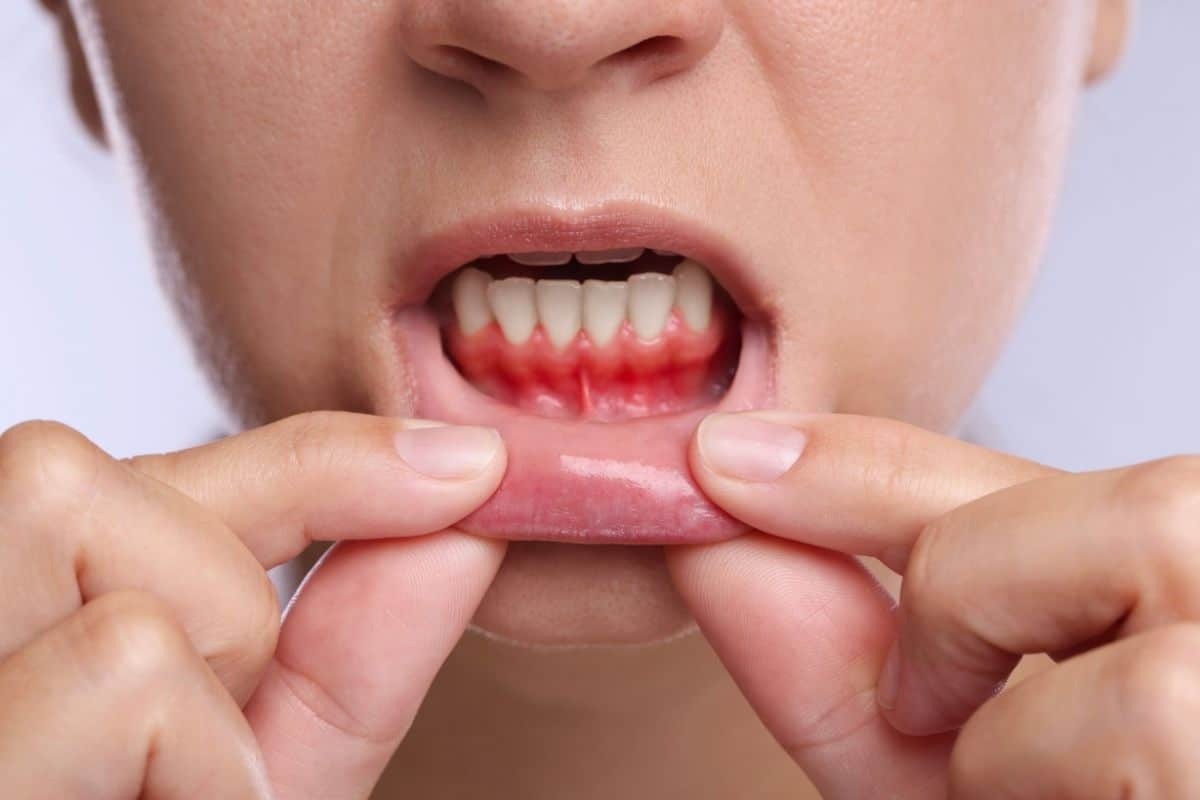
Gum recession is a common issue that can make your teeth appear longer, increase tooth sensitivity, and even lead to more serious dental problems if left untreated. Many patients assume surgery is the only solution, but that’s not always true. At Madison Avenue Periodontics in New York, our experienced periodontists often treat gum recession using non-surgical methods designed to restore gum health, protect your teeth, and help you avoid invasive procedures when possible.
Understanding Gum Recession
Gum recession occurs when the gum tissue gradually pulls away from the teeth, exposing more of the tooth or its root. In our New York practice, we frequently see this condition caused by:
- Gum disease (periodontitis)
- Aggressive brushing or improper oral hygiene
- Misaligned teeth or a poor bite
- Tobacco use
- Genetics or thin gum tissue
Identifying gum recession early is key to preserving your natural gums and maintaining a healthy smile.
How a Periodontist Treats Gum Recession Without Surgery
A periodontist specializes in diagnosing and managing conditions that affect the gums and supporting structures of the teeth. At Madison Avenue Periodontics, we often recommend non-surgical treatments when gum recession is detected early. These methods focus on halting the progression of recession, improving gum health, and protecting exposed roots.
1. Deep Cleaning (Scaling and Root Planing)
This is one of the most common non-surgical treatments for gum recession, particularly when caused by gum disease. Our periodontists carefully remove plaque and tartar buildup from below the gum line and smooth the tooth roots, encouraging the gums to naturally reattach.
2. Localized Antimicrobial or Antibiotic Therapy
When bacteria contribute to gum inflammation, we may apply localized medication to reduce infection and promote healing.
3. Desensitizing Agents and Fluoride Treatments
Tooth sensitivity is often a concern with exposed roots. These treatments help reduce discomfort while making it easier for you to maintain a proper oral hygiene routine at home.
4. Bite Adjustments and Protective Devices
In New York, we see many patients whose gum recession is worsened by teeth grinding or an uneven bite. Custom night guards or minor bite adjustments can help protect your gums and prevent further tissue loss.
5. Personalized Home Care Recommendations
Every patient’s gum health is unique. Our periodontists often guide patients on gentle brushing techniques, the right type of toothbrush, and lifestyle modifications that can slow or stop gum recession.
Why Early Care Is Essential
Non-surgical gum recession treatments are most effective when the problem is addressed early. Once significant tissue loss has occurred, surgical procedures such as gum grafting may become the only option. By visiting a trusted periodontist in New York at the first sign of gum recession—such as tooth sensitivity, longer-looking teeth, or visible roots—you increase your chances of avoiding invasive treatments.
Can Gums Grow Back Naturally?
It’s important to set realistic expectations: while non-surgical methods can help stop gum recession and sometimes encourage minor reattachment, they cannot regenerate lost gum tissue completely. The goal is to stabilize the condition, prevent further recession, and protect your natural teeth.
Caring for Your Gums After Treatment
After receiving non-surgical care at our Madison Avenue office, patients are encouraged to:
- Brush gently with a soft-bristled toothbrush
- Floss daily to prevent plaque buildup
- Schedule regular periodontal maintenance visits
- Avoid tobacco use
- Address teeth grinding if present
These steps help protect your gums and reduce the likelihood of further recession.
Conclusion
Gum recession doesn’t always require surgery. With early intervention and the expertise of a skilled periodontist in New York, many patients at Madison Avenue Periodontics benefit from non-surgical solutions that protect their oral health and help maintain their natural smile.
If you’re noticing signs of gum recession, the sooner you seek care, the more options you’ll have. Schedule a consultation with a trusted periodontist to explore your non-surgical treatment possibilities.