501 Madison Ave 22nd Floor, New York, NY 10022

How a Periodontist Can Help With Receding Gums?

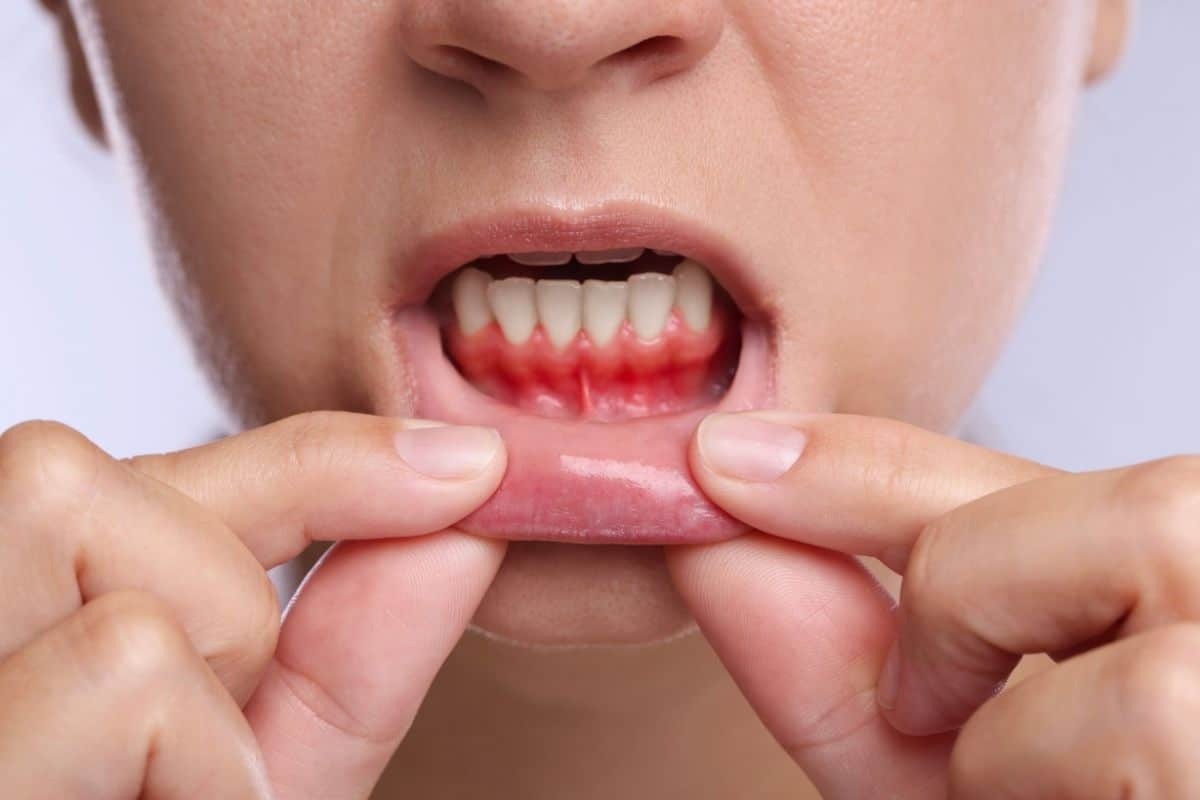
Gum disease often begins quietly, with gum recession being one of the earliest visible signs. If you have noticed your teeth looking longer or flinching at a sip of cold water, you could be dealing with receding gums. Do you know how a gum specialist helps with receding gums?
What Is Gum Recession?
Gum recession is one of the early signs of gum disease. It develops when plaque and bacteria build up along the gumline and begin to erode the surrounding tissue. If not treated early, it can damage the structures that support your teeth.
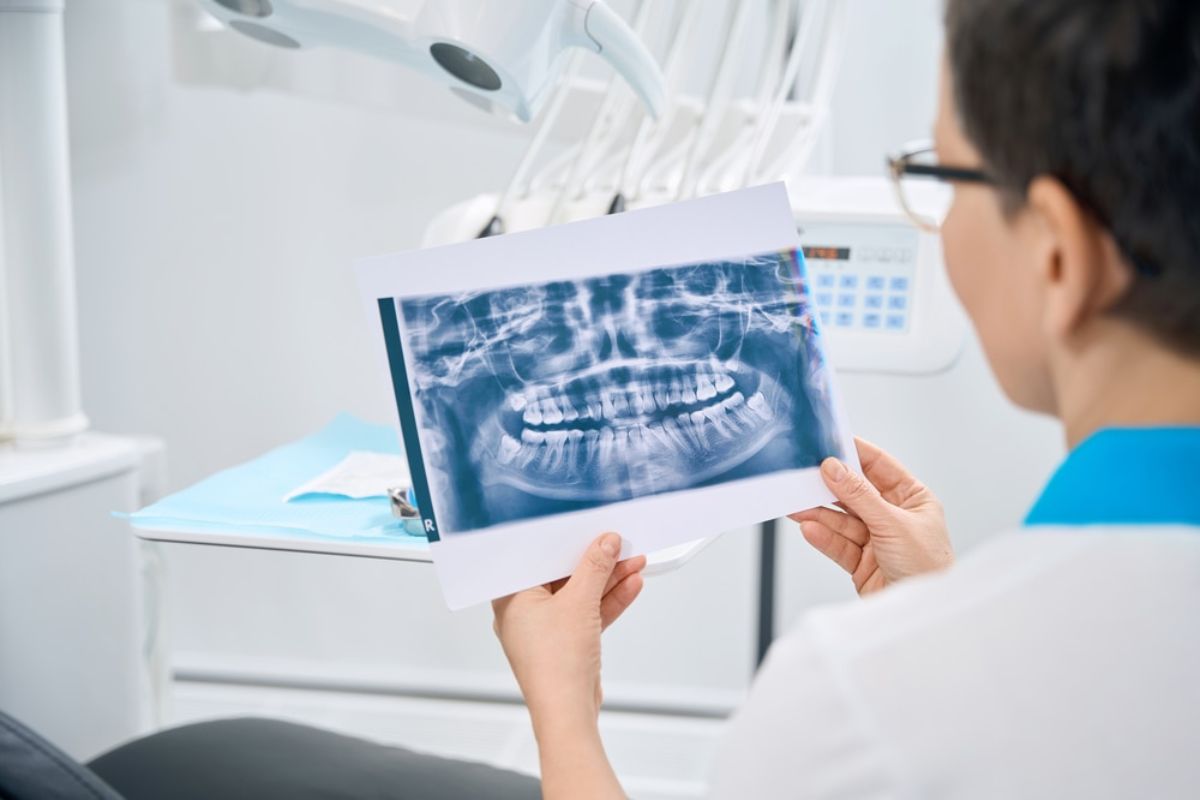
A periodontist is a dental specialist trained to treat issues with the gums and bone surrounding the teeth. They’re the go-to expert when it comes to managing gum recession.
How Periodontists Treat Mild Gum Recession?
Professional Deep Cleaning (Scaling and Root Planing)
For treating an early-stage gum recession, the process will begin with a deep cleaning called scaling and root planing. This process removes plaque and tartar, both above and below the gumline.
Once the roots are cleaned, they are smoothed out to help the gum tissue reattach. This not only reduces gum pockets but also lowers the risk of bacteria building up again.
Follow-Up Care
Patients must follow their periodontist’s aftercare instructions closely. Regular check-ups and cleanings are essential to stop the recession from getting worse.
How is Moderate to Severe Gum Recession Treated by a Periodontist?
Open Flap Scaling and Root Planing
When deep cleaning is not enough, a trustworthy periodontist in NYC performs open flap surgery. This involves gently lifting the gum tissue to gain direct access to the roots. The specialist then cleans the area thoroughly before repositioning the gum tissue. This reduces pocket depth and helps the gums heal more securely around the teeth.
Gum Graft Surgery
For advanced recession, gum grafting may be necessary. In this procedure, the professional takes healthy tissue, often from the roof of the mouth, and attaches it to areas where gums have receded. Once healed, the new tissue covers the exposed roots, reduces sensitivity, and improves gum health overall.
A Modern Alternative: The Pinhole Surgical Technique
Gum graft surgery can be effective, but it is invasive and requires more downtime. A newer, minimally invasive option is the pinhole surgical technique. Here’s how it works:
- A tiny hole is made in the gum tissue.
- Specialized instruments gently loosen the gum tissue.
- The tissue is subsequently repositioned to cover the exposed area roots.
Benefits of Pinhole Surgery
- No stitches or incisions
- Faster recovery
- Less discomfort
- No need to harvest tissue from other areas
This procedure typically takes under an hour, and patients can return to their regular activities quickly.
Receding Gums Need Professional Help
Gum recession can lead to tooth damage and even tooth loss. However, the earlier it is treated, the better the outcome. These gum specialists evaluate your gum health and recommend the most appropriate treatment, whether it’s a deep cleaning, surgery, or a modern pinhole technique.
Did you notice symptoms of gum recession? It might be time to take action. However, if you are looking for a reliable practice, visit our dental practice for a personalized consultation. At Madison Avenue Periodontics, our periodontist in New York specializes in preventing and treating gum recession with the latest tools and techniques. Book an appointment today to prevent gum recession from worsening and enjoy a healthy smile for life.
Frequently Asked Questions (FAQs)
Can receding gums grow back?
Gum tissue does not naturally grow back once it recedes. However, treatments like gum grafts or the pinhole surgical technique can restore gum coverage and protect the roots.
How Can I Determine if I Need to See a Periodontist?
If you notice symptoms like tooth sensitivity, longer-looking teeth, or visible gum shrinkage, it is recommended to consult an efficient periodontist. They specialize in gum issues and can offer targeted treatment.
How can I prevent a gum recession?
Brush gently with a soft-bristled toothbrush, floss daily, avoid tobacco, and see your dentist regularly. Early detection and professional cleanings can prevent gum issues from progressing.