501 Madison Ave 22nd Floor, New York, NY 10022

Who Is a Good Candidate for LANAP Laser Periodontal Therapy?

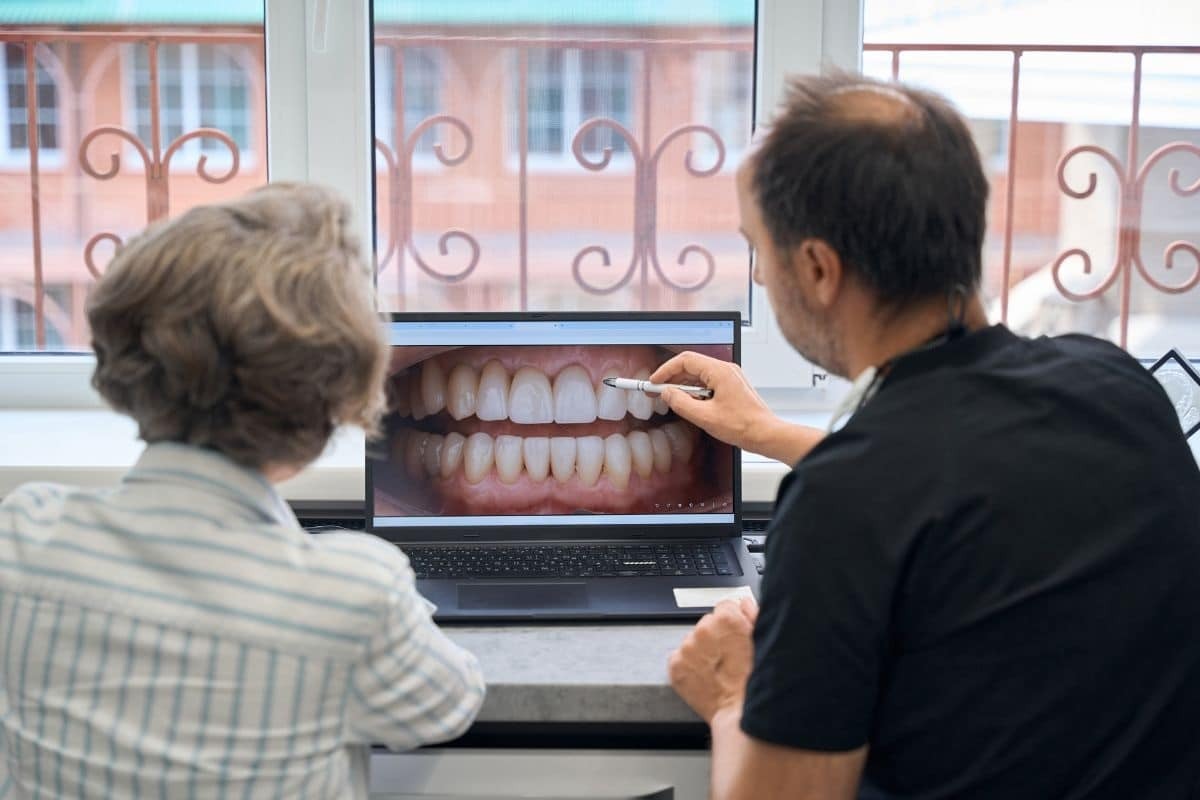
Bleeding gums, persistent bad breath, gum recession, or loose teeth can be signs that gum disease needs more than routine cleaning. If you have been diagnosed with periodontitis, you may also be wondering whether laser treatment could be an option. Understanding who is a candidate for LANAP can help you have a more informed conversation with a periodontist.
LANAP, or Laser-Assisted New Attachment Procedure, is a periodontal treatment that uses a dental laser as part of a protocol for treating diseased gum tissue around affected teeth. However, LANAP is not automatically appropriate for everyone with gum disease. A detailed periodontal evaluation is needed to determine whether it fits your condition, goals, and overall oral health.
For patients considering LANAP periodontal therapy in New York, an evaluation by a periodontal specialist can help determine whether laser treatment or another approach is best for their needs.
Quick Answer
A good candidate for LANAP may be an adult with moderate to advanced periodontal disease who needs treatment beyond routine cleanings and may benefit from a laser-assisted approach. Candidacy depends on gum-pocket measurements, bone levels, tooth stability, medical history, oral hygiene, smoking status, and previous treatment.
Who May Be a Candidate for LANAP?
LANAP is generally considered for patients who have periodontal disease that requires more advanced treatment. A periodontist will examine the gums, measure periodontal pockets, assess inflammation, and review X-rays to understand the condition of the supporting bone.
You may be considered for LANAP if you have:
- Moderate or advanced periodontitis
- Deep periodontal pockets
- Bleeding or inflamed gums
- Bone loss associated with gum disease
- Persistent gum infection despite previous treatment
- Loose teeth related to periodontal disease
- A need for periodontal treatment while preserving as much healthy tissue as possible
The goal is not simply to choose the newest technology. The goal is to control infection and protect the tissues supporting your teeth. The National Institute of Dental and Craniofacial Research notes that periodontal disease can progress into the bone and supporting tissues and, in severe cases, contribute to loose teeth and tooth loss.
Your Gum Disease Must Be Properly Diagnosed
Not every person with bleeding gums needs LANAP. Gingivitis, for example, may often be managed with improved oral hygiene and professional dental care.
A periodontal examination may include probing around the teeth, reviewing your medical history, and taking dental X-rays when appropriate. These findings help the periodontist determine the severity of the disease and whether nonsurgical treatment, periodontal surgery, laser therapy, or another option makes sense.
Who May Not Be a Good Candidate?
LANAP is not a one-size-fits-all procedure. Some patients may need a different periodontal treatment, while others may first need to improve certain risk factors.
You may not be an ideal candidate if:
- Your gum condition can be managed effectively with nonsurgical treatment
- You have poor plaque control and are not ready to follow an aftercare plan
- Certain medical conditions could affect healing or treatment safety
- You smoke and are not willing to discuss smoking cessation
- The teeth involved have a poor prognosis for reasons unrelated to treatable periodontal infection
- Another periodontal procedure would be more appropriate for your specific anatomy
Smoking is an important consideration because it is a major risk factor for periodontal disease and can make treatment less successful. Diabetes and other medical factors can also affect periodontal health and healing.
This does not necessarily mean that someone with these risk factors can never receive laser periodontal treatment. Instead, the periodontist may recommend addressing the underlying issue first or modifying the treatment plan.
What Happens During a LANAP Evaluation?
Before recommending LANAP, your periodontist needs to understand what is happening below the gumline.
1. Periodontal Examination
The gums are examined for swelling, bleeding, recession, and other signs of disease. Periodontal pocket depths may also be measured.
2. X-Rays and Bone Assessment
X-rays can help identify bone loss around teeth and provide information that cannot be seen by simply looking at the gums.
3. Review of Your Medical History
Your medications, medical conditions, smoking status, previous dental treatment, and healing history may all be relevant.
4. Discussion of Treatment Options
Depending on your diagnosis, options may include scaling and root planing, periodontal maintenance, laser treatment, or periodontal surgery.
The American Academy of Periodontology emphasizes that periodontal treatment should be based on the patient’s individual condition. It also notes that laser treatment is one option among periodontal therapies and that different lasers have different uses and safety considerations.
What Are the Potential Benefits of LANAP?
Patients often consider LANAP because they want a periodontal treatment that uses laser technology and may involve a less invasive approach than some traditional surgical techniques.
Potential advantages may include:
- Targeted treatment of diseased periodontal tissue
- Treatment of areas affected by periodontal infection
- A laser-assisted approach without conventional cutting in the same manner as traditional gum surgery
- Potentially less postoperative bleeding in appropriate cases
- A treatment plan focused on preserving natural teeth when possible
If you would like to learn more about the potential advantages and considerations of this approach, you can explore LANAP laser treatment for gum disease before discussing whether it may be appropriate for your periodontal condition.
However, it is important to keep expectations realistic. Research on periodontal laser treatment has produced mixed findings, and evidence varies according to the laser, protocol, and clinical situation. The AAP has specifically reviewed the evidence surrounding periodontal laser use, while systematic reviews have found that laser approaches do not consistently outperform conventional periodontal treatment in every situation.
For that reason, a qualified periodontist should recommend LANAP based on your diagnosis rather than simply because laser treatment is available.
What Are the Risks and Considerations?
Like other periodontal procedures, LANAP can have risks and limitations. Your specific risks depend on the severity of gum disease, the teeth being treated, your general health, and your response to treatment.
Possible concerns can include:
- Temporary gum tenderness or sensitivity
- Swelling or discomfort during healing
- Changes in gum appearance
- Tooth sensitivity
- Continued periodontal problems if plaque control and maintenance are inadequate
- The need for additional periodontal treatment
Good home care remains important after treatment. Periodontal disease is a chronic condition, so treating the active infection does not eliminate the need for ongoing professional maintenance and daily oral hygiene.
What Is Recovery Like After LANAP?
Your periodontist will provide personalized post-treatment instructions. In general, patients may be advised to follow a soft-food diet for a period of time, avoid irritating the treated areas, and follow specific brushing and cleaning instructions.
You may also need periodontal maintenance appointments to monitor healing and control plaque and inflammation.
Recovery is not identical for every patient. The number of teeth treated, severity of disease, individual healing response, and adherence to aftercare can all influence the experience.
How Much Does LANAP Cost in New York?
The cost of LANAP varies considerably. Factors may include the severity of periodontal disease, the number of areas requiring treatment, diagnostic procedures, the complexity of the case, and insurance benefits.
A New York City periodontal practice may also have different costs from practices in other areas. Madison Avenue Periodontics notes that laser gum treatment costs can vary based on treatment scope, disease severity, technology, and insurance coverage.
Rather than relying on a general online estimate, ask for a personalized treatment plan and an explanation of your expected fees and insurance coverage before beginning treatment.
Frequently Asked Questions
Is LANAP suitable for everyone with gum disease?
No. LANAP is not appropriate for every patient. Candidacy depends on the severity and pattern of periodontal disease, periodontal pocket depths, bone levels, tooth stability, medical history, oral hygiene, and other factors. A comprehensive examination is needed before a treatment recommendation can be made.
How do I know if I am a candidate for LANAP?
The best way to determine whether you are a candidate for LANAP is to have a periodontal evaluation. Your periodontist may measure gum pockets, evaluate inflammation and tooth mobility, review X-rays, and consider your medical and dental history before recommending an appropriate treatment.
Is LANAP better than traditional periodontal treatment?
Not necessarily. LANAP may be appropriate for certain patients, but periodontal treatment should be selected according to the individual’s diagnosis. The available evidence does not show that laser treatment is automatically superior in every case. Your periodontist can explain the advantages and limitations of each suitable option.
Is LANAP painful?
LANAP is performed with local anesthesia, so patients should not feel the procedure in the same way they would without anesthesia. Some tenderness or sensitivity can occur afterward. Your periodontist will explain what to expect and provide specific aftercare instructions.
Can LANAP stop gum disease permanently?
LANAP can be part of a periodontal treatment plan, but no procedure replaces daily oral hygiene and ongoing professional maintenance. Periodontal disease can return or progress if plaque and inflammation are not adequately controlled. Regular periodontal care is an important part of protecting your results.
How long does it take to recover from LANAP?
Recovery varies from patient to patient. Your experience depends on the extent of treatment and your individual healing response. Your periodontist will give you detailed instructions regarding food, brushing, activity, medications, and follow-up visits.
Conclusion
If you are wondering whether you are a candidate for LANAP, the answer depends on more than having bleeding gums or a diagnosis of periodontitis. Your periodontal pocket depths, bone levels, tooth condition, medical history, oral hygiene, and previous treatment all help determine the most appropriate approach.
LANAP may be a useful option for selected patients, but it should be recommended after a thorough periodontal evaluation and discussion of alternatives. If you are experiencing signs of gum disease or have been told that you need periodontal treatment, Madison Avenue Periodontics can help you understand your options in New York.
Want to learn more about the practice and hear from people who have interacted with the office? See patient reviews on Google to explore recent updates, patient reviews, and practice information from Madison Avenue Periodontics.