501 Madison Ave 22nd Floor, New York, NY 10022


Scaling & Root Planing
The initial stage of treatment for periodontal disease is usually a thorough cleaning that may include scaling or root planing. The objective of these non-surgical procedures is to remove etiologic agents such as dental plaque and tartar, or calculus, which cause gingival inflammation and disease. Scaling and root planing can be used as a stand-alone treatment, or a preventative measure. They are commonly performed on cases of gingivitis and moderate-to-severe periodontal disease.
What does scaling and root planing entail?
Dr. Neary, Dr. Lanzetta, Dr. Chondrogiannis or Dr. Elhein will only perform scaling and root planing after a thorough examination of the mouth, which may include taking x-rays and visually examining the mouth. Depending on the condition of the gums, the amount of tartar present, the depth of the pockets, and the progression of periodontitis, Drs. Neary, Lanzetta, Chondrogiannis or Elhein may recommend scaling and root planing. In some cases, a local anesthesia may be used during the procedure.
- Scaling:
When scaling is performed, calculus and plaque that attaches to the tooth surfaces is removed. The process especially targets the area below the gum line, along the root. Scaling is performed with a special dental tool called an ultrasonic scaling tool. The scaling tool usually includes an irrigation process that can be used to deliver an antimicrobial agent below the gums to help reduce oral bacteria. - Root Planing:
Root planing is performed in order to remove cementum and surface dentin that is embedded with unwanted microorganisms, toxins and tartar. The root of the tooth is literally smoothed, which promotes healing, and also helps prevent bacteria from easily colonizing in the future.
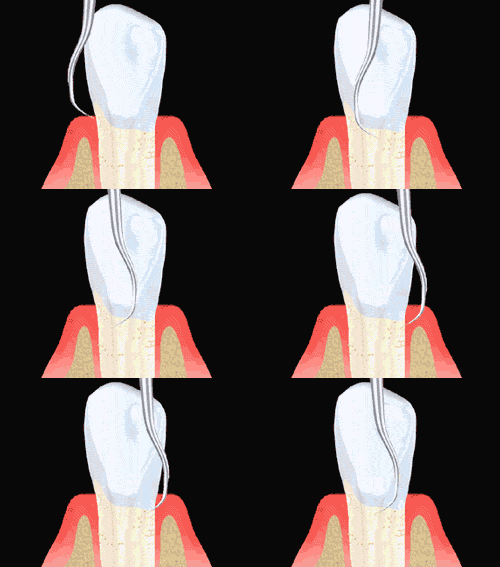
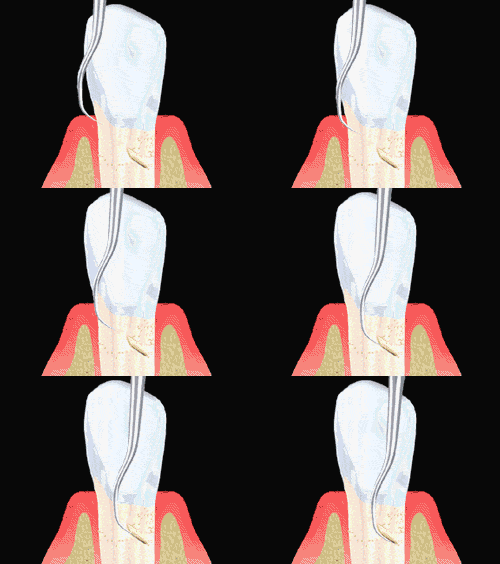
Antibiotics or irrigation with anti-microbials (chemical agents or mouth rinses) may be recommended to help control the growth of bacteria that create toxins and cause periodontitis. In some cases, Drs. Neary, Lanzetta, Chondrogiannis or Elhein may place antibiotic fibers in the periodontal pockets after scaling and planing. This may be done to control infection and to encourage normal healing.
When deep pockets between teeth and gums are present, it is difficult for Drs. Neary, Lanzetta, Chondrogiannis or Elhein to thoroughly remove plaque and tartar. Patients can seldom, if ever, keep these pockets clean and free of plaque. Consequently, surgery may be needed to restore periodontal health.
For more information about Scaling and Root Planing or to schedule a consultation with Madison Avenue Periodontics, call our office in New York, New York at (212) 755-1144.
Benefits of Scaling & Root Planing Treatment
If treatment is successful, scaling and planing may have many periodontal benefits. One is that it can help prevent disease. Research has proven that bacteria from periodontal infections can travel through the blood stream and affect other areas of the body, sometimes causing heart and respiratory diseases. Scaling and root planing remove bacteria that cause these conditions.
Another benefit of treatment is protecting teeth against tooth loss. When gum pockets exceed 3mm in depth, the risk for periodontal disease increases. As pockets deepen, more bacteria are able to colonize, eventually causing a chronic inflammatory response by the body to destroy gingival and bone tissue. This leads to tooth loss.
Finally, scaling and root planing may make the mouth more aesthetically pleasing, and should reduce bad breath caused from food particles and bacteria in the oral cavity. Superficial stains on the teeth will be removed during scaling and planing, adding an extra bonus to the procedures.
FREQUENTLY ASKED QUESTIONS
What is scaling and root planing?
Scaling and root planing is a non-surgical deep cleaning treatment designed to remove plaque, tartar, and harmful bacteria from beneath the gumline. This procedure is commonly recommended to help treat early to moderate stages of periodontal disease and support healthier gums.
How is scaling and root planing different from a regular dental cleaning?
Routine dental cleanings primarily focus on removing buildup above the gumline. Scaling and root planing goes deeper beneath the gums to clean areas where bacteria and infection can develop, helping reduce inflammation and prevent further gum and bone damage.
Does scaling and root planing hurt?
The procedure is typically performed using local anesthesia to help ensure your comfort during treatment. Some patients may experience mild sensitivity or soreness afterward, but these symptoms are usually temporary and improve as the gums begin to heal.
How long does it take for the gums to heal after treatment?
Many patients notice improvements such as reduced bleeding, inflammation, and gum tenderness within a few weeks. Healing times can vary depending on the severity of gum disease and how well oral hygiene and follow-up care are maintained after treatment.
How often will I need scaling and root planing or periodontal maintenance?
Following treatment, your periodontist may recommend periodontal maintenance visits every 3–4 months to help manage bacteria levels and maintain long-term gum health. The recommended schedule will depend on your specific oral health needs and risk factors.
Your Trusted Periodontist in New York City
Accepting new patients. Schedule Your Appointment today!
Providing excellent treatment is only part of our mission.
We care about our patients and have done everything possible to make your visit with us a pleasurable experience. We are dedicated to giving you the information you need to make informed decisions about treatment, and help you to maintain your smile once you have achieved optimum health.
Monday to Friday: 8:00AM - 4:30PM