501 Madison Ave 22nd Floor, New York, NY 10022


Bone Grafting for Implants
Do I have enough bone for dental implants?

1 : 04
After tooth extraction, if the walls of the socket are very thick, they will usually fill naturally with bone in two to three months. However, when the walls of your socket are very thin (such as in your upper and lower front teeth), this type of healing will not be as predictable. In these situations, a bone graft is often placed at the time of tooth extraction to help your body fill in the empty socket with bone. This step will maintain the width and volume of bone you will need for implant placement several months later.

1. Inadequate Bone
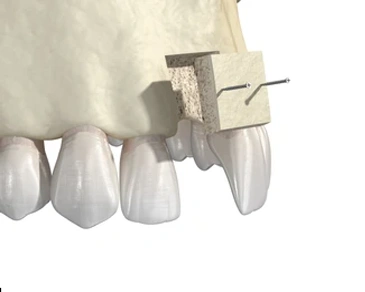
2. Graft Material Placed
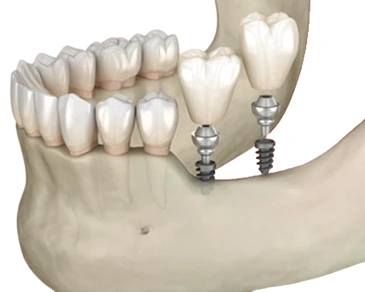
3. Implants Placed
There may be inadequate bone for implant placement if your tooth was removed many years ago and your bony ridge is extremely thin. In this case, a bone graft can be placed next to the thin bone and allowed to heal for up to six months. After the graft fuses to your pre-existing bone, the ridge will be re-entered and the implant placed. Bone grafting is usually a relatively comfortable office procedure. Many different bone-grafting materials are available, including your bone.
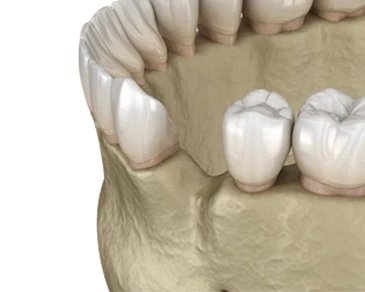
1. Inadequate Bone
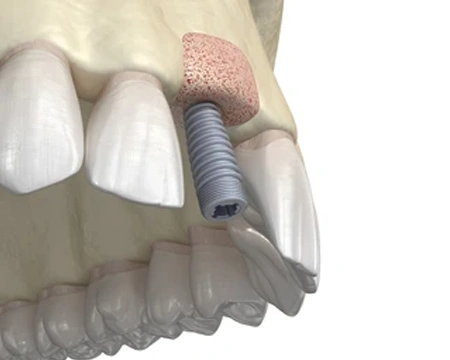
2. Graft Material and Implant Placed
You may also need bone grafting if the sinus cavities in your upper jaw are very large, or very low, and extend into the tooth-bearing areas. This often occurs when teeth in the back of a person’s upper jaw have been removed many years before, and the amount of bone available for implant placement is limited. A “sinus grafting procedure” is then required. Most often, it is performed in the office with local anesthesia and perhaps sedation. During this procedure, the membrane that lines the sinus will be located and elevated. Bone will then be added to restore the bone height and ensure that dental implants of an adequate length can be placed. This procedure often can be performed at the time of implant placement.
FREQUENTLY ASKED QUESTIONS
Why is bone grafting sometimes needed before dental implants?
Bone grafting helps restore areas of the jawbone that may have weakened or deteriorated over time due to tooth loss, gum disease, or trauma. Creating a healthy, stable foundation is an important step in supporting long-term dental implant success and stability.
What materials are used during bone grafting?
Bone grafting materials may come from your own bone, a donor source, or advanced synthetic materials designed to support natural bone regeneration. Your periodontist will recommend the most appropriate option based on your individual needs and treatment goals.
How long does recovery from bone grafting take?
Healing time varies depending on the size and location of the graft, but most patients require several months for the graft to fully integrate with the natural bone. Once healing is complete, the area is typically ready for dental implant placement.
Is bone grafting painful?
Bone grafting procedures are performed using local anesthesia to ensure patient comfort throughout treatment. Mild soreness or swelling after the procedure is common and can usually be managed with recommended medications and post-operative care instructions.
Can bone grafting fail?
Bone grafting is highly successful in most cases, but complications can occasionally occur if healing is affected by factors such as infection, smoking, or certain medical conditions. Following all post-treatment instructions carefully can help support proper healing and improve overall treatment success.
Your Trusted Periodontist in New York City
Accepting new patients. Schedule Your Appointment today!
Providing excellent treatment is only part of our mission.
We care about our patients and have done everything possible to make your visit with us a pleasurable experience. We are dedicated to giving you the information you need to make informed decisions about treatment, and help you to maintain your smile once you have achieved optimum health.
Monday to Friday: 8:00AM - 4:30PM