501 Madison Ave 22nd Floor, New York, NY 10022

Who Is a Good Candidate for Pinhole Gum Surgery?

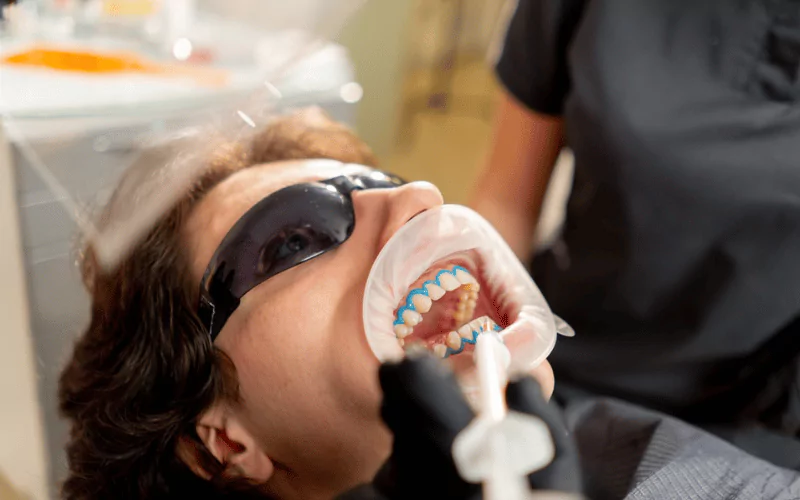
If you’ve been dealing with gum recession and are tired of the usual treatments, you might be wondering if pinhole gum surgery is the right fit for you. It’s a modern solution that’s quickly becoming a favorite for many people looking to improve their smile.
In fact, according to an NIH study in the USA, a series of five cases involving 18 recession sites treated with the Pinhole Surgical Technique showed an outstanding 96.7% root coverage after just a six-month follow-up, with minimal complications.
But before jumping in, you’re probably asking yourself: “Am I the right candidate for this?” Let’s take a closer look at who this innovative procedure is best suited for and what makes a person a good fit.
What Exactly is Pinhole Gum Surgery?
To put it simply, pinhole gum surgery is a non-invasive procedure designed to fix gum recession without the need for cutting, stitching, or tissue grafting. Instead, a tiny pinhole is made in the gums, and a special tool is used to gently move the gums back into place over the exposed tooth roots.
The great thing about this technique is that it’s less painful and requires a much quicker recovery than traditional methods.
Now that you know what the procedure is all about, you may be wondering if you’re a good candidate for pinhole gum surgery.
Who’s the Ideal Candidate for Pinhole Gum Surgery?
Pinhole gum surgery isn’t for everyone, and that’s okay. The best candidates are typically those who:
1. Have Mild to Moderate Gum Recession
If you’ve noticed that your gums are receding but haven’t reached a severe level, pinhole gum surgery could be a perfect option.
The procedure works wonders for people with mild to moderate recession, where the gum tissue can still be moved to cover the exposed tooth roots.
It’s an ideal choice for those who want to restore their smile without the long recovery time of traditional methods.
2. Have Healthy Gums and Teeth
You’re more likely to be a good candidate for pinhole gum surgery if your gums and teeth are in generally healthy condition.
If gum disease has severely affected your gums, or if there’s significant bone loss around the teeth, your periodontist may recommend addressing those issues first.
Healthy gums are crucial for ensuring the procedure’s success and helping you get the results you want.
3. Have Sufficient Bone Structure
For pinhole gum surgery to be effective, it’s important to have enough bone structure to support your teeth.
If you’ve lost a lot of bone due to gum disease, this might not be the best treatment option for you.
The gums need to rest securely over the exposed roots, and without enough bone support, that becomes tricky.
4. Are in Good Overall Health
To make sure you heal well and without complications, you should be in generally good health. People with underlying health conditions that affect healing, like uncontrolled diabetes, may need to wait or choose a different treatment.
Your periodontist will assess your overall health to ensure pinhole gum surgery is a safe choice for you.
5. Want a Less Invasive Solution
If you’re looking for an alternative to traditional gum grafting and want a less invasive, quicker recovery process, pinhole gum surgery could be your answer.
There are no cuts, no stitches, and it’s a lot less uncomfortable. If you’re looking for a solution that gets you back to your routine faster, this may be the right option.
When Is Pinhole Gum Surgery Not the Best Option?
Although pinhole gum surgery has many advantages, it’s not always the best choice for everyone.
Here are a few instances when it might not be the right fit for you:
- Severe Gum Disease:
If your gum recession is caused by advanced gum disease, you might need to undergo other treatments first.
Severe gum disease can affect your bone structure, which may require different care before considering pinhole gum surgery.
- Significant Bone Loss:
If there’s a lot of bone loss around your teeth, the gums might not stay in place after the procedure.
Pinhole gum surgery works best when there’s enough bone to support the repositioned gums.
- Health Considerations:
If you have health conditions that make healing difficult, such as certain heart conditions or a weakened immune system, your doctor and periodontist may suggest waiting or opting for other procedures.
What Can You Expect During Pinhole Gum Surgery?
If you decide to go ahead with pinhole gum surgery, here’s what the experience looks like:
- Before the Procedure:
You’ll start with a consultation where your periodontist will take a close look at your gums and teeth to determine if you’re a good candidate for the procedure. - Anesthesia:
The area will be numbed with local anesthesia to ensure you’re comfortable throughout the procedure. You’ll feel no pain, only a bit of pressure as the gums are gently moved into place. - The Procedure:
The actual surgery is quick. A small pinhole is made in your gum, and with the help of a special instrument, your periodontist will shift the gums back into position, covering the exposed tooth roots. - After the Surgery:
You’ll receive aftercare instructions to make sure your gums heal properly. Most people can return to normal activities within 1 to 2 days, though you may need to avoid certain foods and follow specific hygiene instructions.
Recovery and Results After Pinhole Gum Surgery?
One of the reasons people love pinhole gum surgery is the quick recovery time. While traditional gum grafting can take weeks to heal, most patients report feeling better in just a few days.
You’ll need to be gentle with your gums during the recovery period, sticking to soft foods and following your periodontist’s care instructions to ensure your gums heal well.
Most people can return to their daily routine within 1 to 2 days. Follow-up visits will be scheduled to check on your healing progress and ensure the gum tissue is settling as expected.
Is Pinhole Gum Surgery Right for You?
Pinhole gum surgery offers a less invasive, more comfortable solution for many people dealing with gum recession. If you have mild to moderate gum recession and overall healthy gums, it could be an excellent treatment option.
If you believe you are a good candidate for pinhole gum surgery, consider consulting with your nearest periodontist in New York to determine if you meet the necessary criteria for the procedure. Call us at (212) 755-1144 to schedule your appointment.
At Madison Avenue Periodontics, we specialize in advanced treatments like the Pinhole Surgical Technique, designed to restore your smile with minimal downtime.
Frequently Asked Questions Related to Pinhole Gum Surgery
How long does pinhole gum surgery take?
The procedure typically takes 1 to 2 hours, depending on how many teeth are treated.
Will I feel pain during the procedure?
Local anesthesia ensures that you don’t feel any pain during the surgery. Afterward, some mild discomfort may occur, but it’s generally manageable with over-the-counter pain relievers.
How soon can I go back to work?
Most patients return to their normal activities within 1 to 2 days.
How long do the results last?
The results of pinhole gum surgery can be long-lasting with proper care and good oral hygiene.
Can I get pinhole gum surgery in New York?
Yes, several skilled periodontists in New York offer pinhole gum surgery. Consult with a professional to discuss your eligibility and schedule an appointment.